Understanding the Photoelectric Rain Sensor System
Modern Mercedes-Benz vehicles utilize an advanced photoelectric rain sensor, typically integrated behind the windshield near the rearview mirror. This system employs light-emitting diodes (LEDs) and photodiodes to detect moisture on the glass. The sensor emits infrared light at a specific angle onto the windshield's exterior surface. When the glass is dry, most of this light is reflected back to the photodiode receiver. However, when raindrops are present, they scatter and refract the light, reducing the amount reflected back. The sensor's control unit interprets this change in light intensity and automatically activates the wipers at an appropriate speed and interval. This sophisticated system is a hallmark of Mercedes-Benz's commitment to driver convenience and safety, allowing for hands-free operation in variable weather conditions.
Common Symptoms of Rain Sensor Failure
Identifying a malfunctioning rain sensor is crucial for maintaining optimal visibility and safety. The most prevalent symptom is the automatic wiper function failing to activate in rain or activating erratically without precipitation. Drivers may notice the wipers operating at maximum speed in a light drizzle or not responding at all during a downpour. In some cases, the wipers may cycle once and then stop, regardless of the ongoing weather. Another indicator is the system's inability to adjust wiper speed relative to rainfall intensity; the wipers may maintain a single, unchanging pace. Occasionally, the malfunction may trigger a warning message on the vehicle's instrument cluster or COMAND display, such as "Rain Sensor Fault" or "Wiper Malfunction." It's important to distinguish these issues from simple wiper motor or linkage problems, which typically affect manual wiper modes as well.
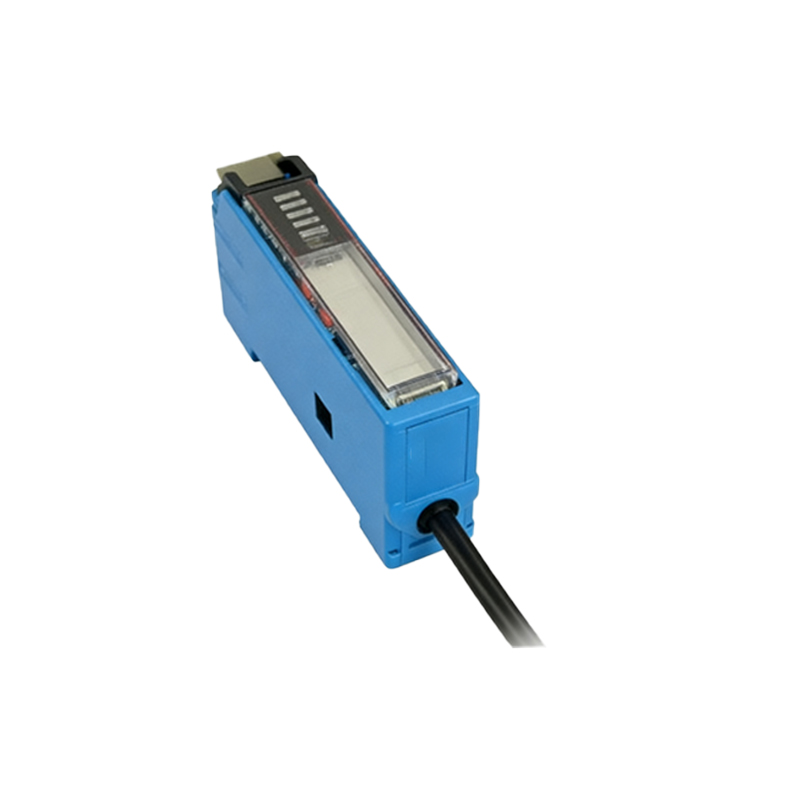
Primary Causes of Photoelectric Sensor Malfunctions
Several factors can compromise the performance of the Mercedes-Benz rain sensor. The most common cause is physical damage to the windshield within the sensor's field of view. This includes chips, cracks, or delamination in the critical bonding area between the sensor and the glass. Any imperfection alters the path of the infrared light, leading to false readings. Improper windshield replacement is a frequent culprit; if the new glass is not OEM-spec or if the sensor is not recalibrated and bonded correctly with the proper optical adhesive, the system will fail. Internal sensor failure, though less common, can occur due to electronic component degradation, moisture ingress into the sensor housing, or corrosion on the electrical connector pins. Software glitches within the sensor's control module or a conflict with other vehicle systems can also manifest as erratic behavior.
Step-by-Step Diagnostic Procedures
A systematic approach is essential for accurate diagnosis. Begin by performing a basic visual inspection of the windshield in the sensor area for any damage, stickers, or excessive dirt on both interior and exterior surfaces. Clean the area thoroughly with a non-abrasive glass cleaner. Next, access the vehicle's diagnostic system using a professional scan tool like Mercedes-Benz Star Diagnosis (XENTRY). Check for any stored fault codes in the Front Sam (Signal Acquisition Module) or relevant control units. Codes such as "B1485" often point to rain sensor issues. Activate the sensor's live data stream to observe its signal output; a functioning sensor will show a varying percentage value when water is sprayed on the windshield. If the value remains static, the sensor is likely faulty. Also, verify the proper operation of the wiper stalk's "AUTO" function and check all related fuses.
Effective Repair and Replacement Solutions
The repair path depends on the root cause identified. If the issue stems from a damaged or non-OEM windshield, the only reliable solution is replacement with a genuine Mercedes-Benz windshield followed by a mandatory sensor recalibration using factory diagnostic equipment. For a confirmed faulty sensor unit, replacement is required. The process involves carefully removing the interior mirror and sensor housing, disconnecting the electrical plug, and installing the new unit. Crucially, the new sensor must be optically bonded to the glass using the manufacturer-specified adhesive pad—a clear, bubble-free application is non-negotiable for proper function. After physical installation, coding and adaptation of the new sensor via XENTRY is mandatory to integrate it with the vehicle's network. Never attempt to bypass or disable the system, as it is integrated with other safety features.
Preventive Maintenance and Best Practices
Proactive care can extend the life and reliability of the rain sensor system. Always use high-quality, streak-free glass cleaner and a soft microfiber cloth when cleaning the interior windshield area around the sensor. Avoid applying aftermarket tint films, dash mats, or mounting devices like GPS units directly in the sensor's optical path. During windshield replacement, insist on using an authorized service center that guarantees OEM glass and possesses the proper tools for sensor recalibration. Periodically inspect the sensor's mounting for any signs of loosening or adhesive failure. If your vehicle's software receives updates, ensure the update includes the latest calibration data for auxiliary systems like the rain sensor. Following these practices helps ensure this sophisticated convenience feature operates flawlessly for the lifespan of the vehicle.