Introduction to Green Proximity Sensors
In the evolving landscape of industrial automation and smart systems, the demand for environmentally conscious and energy-efficient components has surged. Green proximity sensors represent a critical innovation in this domain, designed to minimize ecological impact while maintaining high performance. These sensors detect the presence or absence of objects without physical contact, utilizing various principles, but with a core focus on reduced energy consumption, non-hazardous materials, and extended lifecycle sustainability. This article delineates the established classification standards for these sensors, providing a structured framework for selection and application in modern electrical engineering projects.
Primary Classification by Sensing Technology
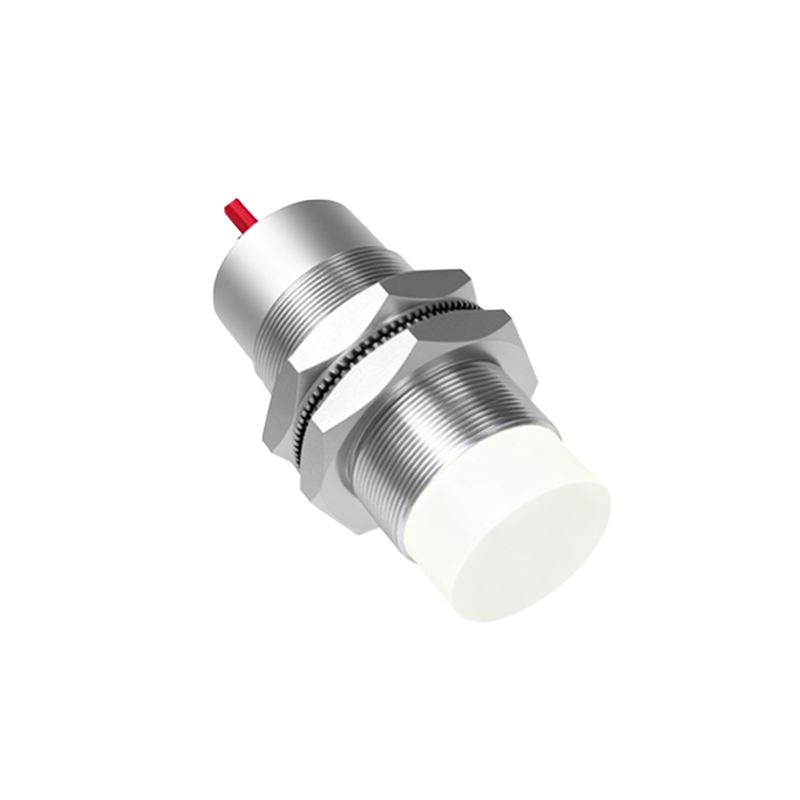
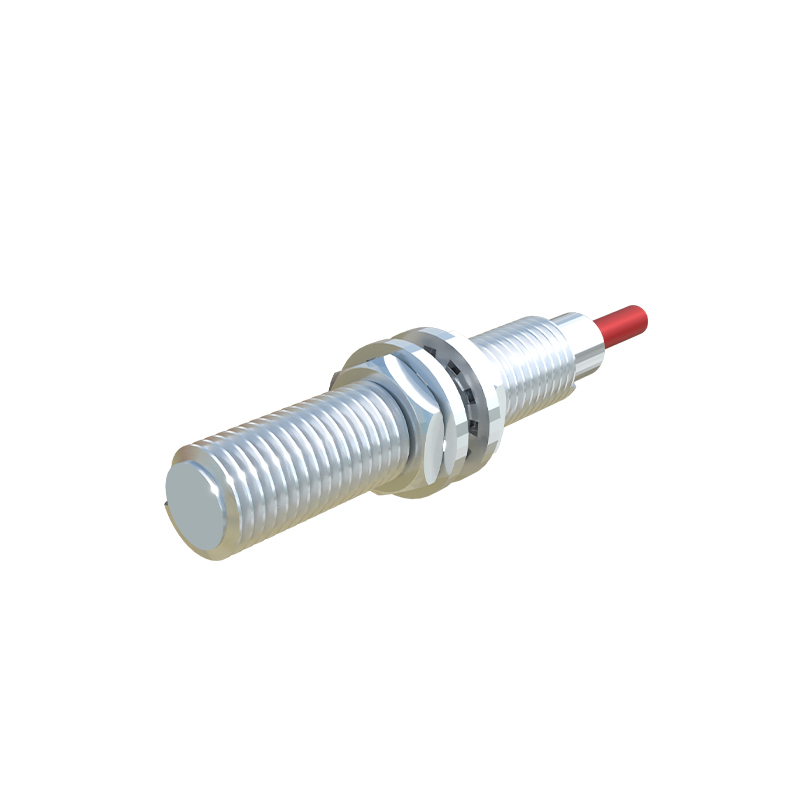
The fundamental categorization of green proximity sensors is based on their underlying sensing technology, which directly influences their energy profile and material use. Inductive sensors are prevalent for detecting metallic objects. Their green variants often incorporate advanced circuitry for ultra-low power consumption during standby and operation. Capacitive sensors can detect both metallic and non-metallic materials and are classified as green when they use optimized signal processing to reduce energy waste. Photoelectric sensors, including through-beam, retro-reflective, and diffuse types, achieve green status through the use of high-efficiency LEDs and low-power consumption designs. Ultrasonic sensors, which measure distance using sound waves, are categorized as green when they employ energy-saving pulse techniques and recyclable housing materials.
Classification Based on Energy Efficiency Ratings
A paramount standard for classifying green proximity sensors is their energy efficiency. This is often quantified through standardized ratings or certifications. Sensors can be classified into tiers such as Standard Efficiency, High Efficiency, and Ultra-High Efficiency based on their operational power draw (typically in milliwatts) and their sleep/standby mode functionality. Many regions adhere to international benchmarks like the IEC (International Electrotechnical Commission) standards for low-voltage equipment. A sensor classified as "Green Premium" might feature adaptive sensing, where the sampling rate or output power dynamically adjusts based on target proximity, drastically cutting overall energy use. Engineers should prioritize sensors with documented efficiency ratings for sustainable system design.
Material Composition and Environmental Impact
The classification extends to the physical construction and material lifecycle. Sensors are evaluated and categorized based on the use of RoHS (Restriction of Hazardous Substances) compliant components, ensuring the absence of lead, mercury, cadmium, and other harmful substances. A further classification level involves the use of recycled plastics or metals in the housing and internal components. Sensors designed for easy disassembly and recycling at end-of-life receive a higher green classification. Furthermore, the manufacturing process itself is a criterion; sensors produced in facilities with certified environmental management systems (e.g., ISO 14001) may be classified under a distinct "Eco-Manufactured" category.
Output Configuration and Functional Classification
Green proximity sensors are also classified by their output type, which impacts system integration and energy flow. The main categories are Digital Output (e.g., NPN, PNP, or Push-Pull) and Analog Output (e.g., 0-10V, 4-20mA). Green digital sensors often feature solid-state switches with very low voltage drop and minimal leakage current. Green analog sensors are classified by their linearity and power requirement per measurement cycle, with higher-class sensors providing more accurate data with less energy. Additionally, sensors with IO-Link or other smart communication capabilities form a separate "Smart Green" class, enabling detailed energy monitoring and predictive maintenance, which contributes to overall system sustainability.
Industry Standards and Certification Marks
Adherence to formal industry standards is a definitive classification method. Key standards include IEC 60947-5-2 for proximity switches, which outlines performance and safety requirements. For the "green" aspect, certifications like the EU's CE marking (indicating compliance with health, safety, and environmental protection directives), ENERGY STAR for industrial components (where applicable), and third-party eco-labels (e.g., from TÜV or UL) provide clear classification tiers. A sensor bearing multiple environmental certifications is classified at the highest echelon of green standards, assuring engineers of its compliance with rigorous international environmental and performance criteria.
Application-Based Classification and Selection
Finally, green proximity sensors can be classified by their suitability for specific applications, which guides practical selection. For example, a class defined as "Low-Power, Battery-Operated" is essential for mobile or remote applications. "High-Speed, Efficient" sensors are classified for packaging and assembly lines where cycle time and energy per cycle are critical. "Harsh Environment, Durable" green sensors are those built with sustainable yet robust materials for washdown or outdoor use, emphasizing longevity to reduce waste. Understanding these application-driven classes helps engineers match the sensor's green attributes