Introduction to 24V Proximity Sensors
24V proximity sensors are integral components in modern industrial automation, widely used for non-contact detection of metallic or non-metallic objects. Operating at a standard 24V DC supply, these sensors offer reliable performance in harsh environments, including manufacturing lines, packaging systems, and robotic applications. Their popularity stems from compatibility with industrial control systems, enhanced safety due to low voltage, and durability against dust, moisture, and vibrations. As demand for automation grows, supply factories play a crucial role in delivering high-quality sensors that meet diverse operational needs.
Leading Supply Factories in the Global Market
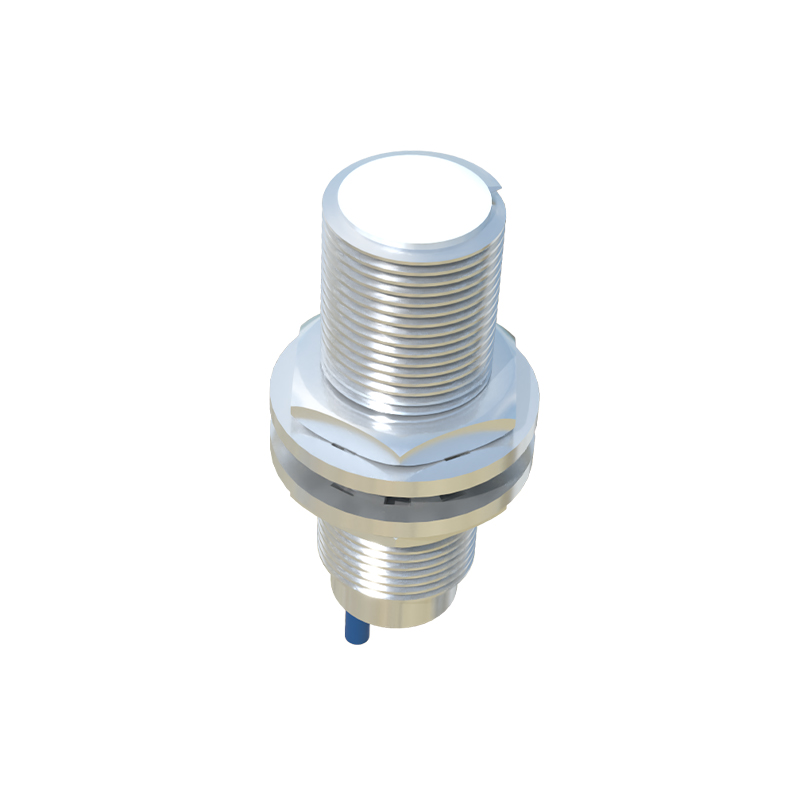
Several key factories dominate the 24V proximity sensor supply chain, each known for specialized expertise. Companies like Siemens AG (Germany), Omron Corporation (Japan), and Schneider Electric (France) are renowned for their innovation and extensive product ranges. These factories invest heavily in research and development to produce sensors with advanced features, such as extended sensing ranges, high switching frequencies, and robust housing materials. Regional suppliers in North America and Asia also contribute significantly, offering cost-effective solutions without compromising on reliability. The competitive landscape drives continuous improvement, ensuring factories adapt to evolving industry standards.
Manufacturing Processes and Quality Control
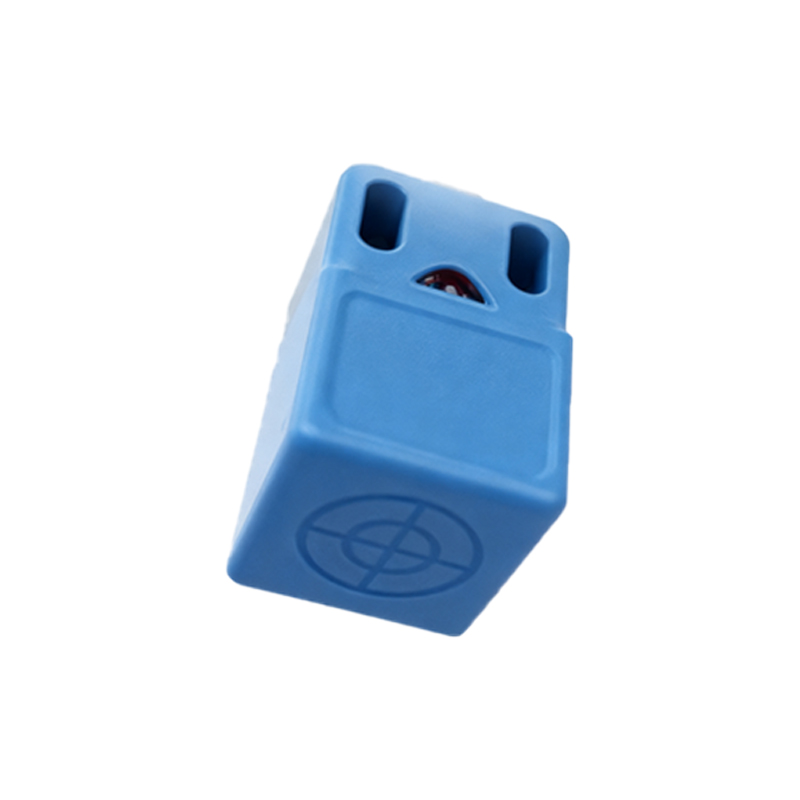
Supply factories employ rigorous manufacturing processes to ensure 24V proximity sensors meet international standards like IEC 60947-5-2. Production typically involves automated assembly lines for precision, with steps including coil winding, encapsulation in epoxy resin, and housing fabrication from materials like stainless steel or PBT plastic. Quality control is paramount, with factories implementing testing protocols for electrical parameters, temperature resistance, and ingress protection (IP) ratings. Many factories also adhere to ISO 9001 certifications, emphasizing consistency and traceability. This focus on quality minimizes failure rates and enhances sensor longevity in field applications.
Technological Advancements and Innovations
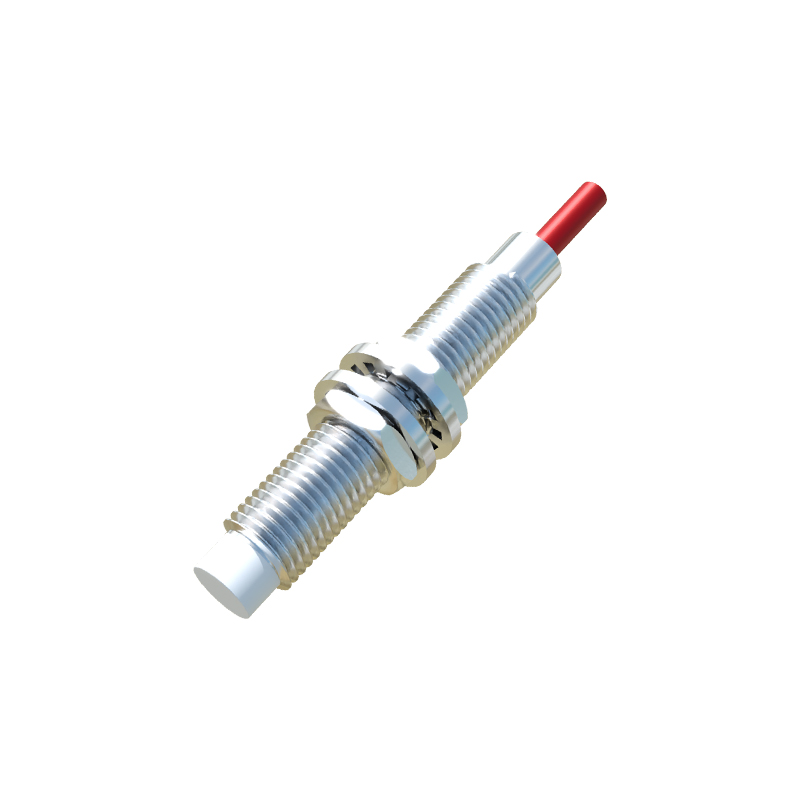
Recent innovations in 24V proximity sensor technology have expanded their capabilities. Factories are developing sensors with IO-Link communication for real-time data exchange, enabling predictive maintenance and integration with Industry 4.0 systems. Enhanced designs now include factor-1 sensors that detect all metals equally, reducing calibration needs. Additionally, miniaturization trends allow for compact sensors suitable for space-constrained installations. Energy-efficient models with low power consumption are also emerging, aligning with sustainability goals. These advancements reflect factories' commitment to addressing complex industrial challenges through cutting-edge engineering.
Supply Chain Dynamics and Market Trends
The supply chain for 24V proximity sensors is influenced by global factors such as raw material availability, logistics, and geopolitical shifts. Factories often source components like semiconductors and metals from specialized suppliers, requiring robust partnerships to mitigate disruptions. Current market trends show rising demand from sectors like automotive, food processing, and renewable energy, prompting factories to scale production. Customization is becoming more common, with factories offering tailored solutions for specific applications. Additionally, e-commerce platforms facilitate easier access to sensors, streamlining procurement for end-users worldwide.
Challenges Faced by Supply Factories
Despite growth, supply factories encounter challenges including price volatility of raw materials, stringent regulatory compliance, and competition from low-cost alternatives. Technological obsolescence requires continuous investment in upgrades, while skilled labor shortages can impact production efficiency. Factories must also navigate environmental regulations, promoting eco-friendly manufacturing practices. To overcome these hurdles, many adopt lean manufacturing principles, diversify supply sources, and engage in collaborative R&D with industry partners. Addressing these issues is essential for maintaining a stable supply of high-performance sensors.
Future Outlook and Industry Impact
The future of 24V proximity sensor supply factories looks promising, driven by automation and smart manufacturing trends. Factories are expected to integrate more IoT capabilities, enhancing sensors with wireless connectivity and AI-driven diagnostics. Sustainability will play a larger role, with factories focusing on recyclable materials and energy-efficient processes. As industries prioritize reliability and efficiency, supply factories will continue to innovate, ensuring 24V proximity sensors remain vital to operational success. Collaboration across the ecosystem will further strengthen resilience and adaptability in a dynamic market.