Introduction to Photoelectric Sensors
Photoelectric sensors are pivotal components in modern logistics systems, utilizing light beams to detect the presence, absence, or distance of objects. These sensors operate by emitting a light source—typically infrared, visible, or laser—and measuring the reflection or interruption of that light. In logistics, where speed and precision are paramount, photoelectric sensors provide non-contact detection, reducing wear and tear and enabling high-speed operations. Their versatility allows for applications ranging from simple object counting to complex positioning tasks in warehouses, distribution centers, and automated guided vehicles (AGVs). As logistics evolves toward greater automation, the role of photoelectric sensors becomes increasingly critical in ensuring seamless material flow and minimizing errors.
Key Types and Their Functions
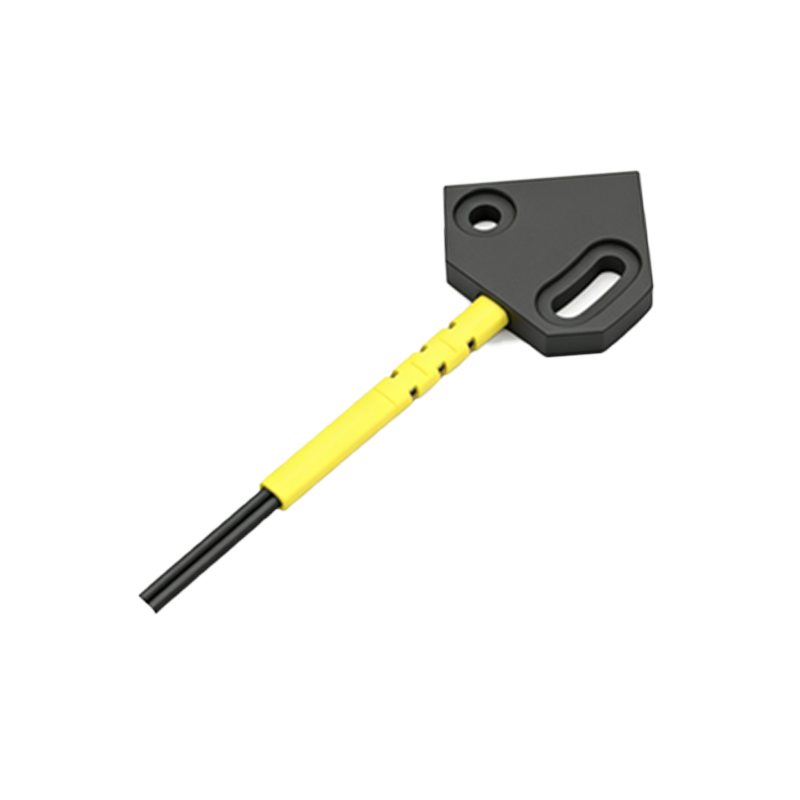
Several types of photoelectric sensors are employed in logistics, each suited to specific tasks. Through-beam sensors consist of separate emitter and receiver units, offering long-range detection and high accuracy for applications like conveyor belt monitoring. Retro-reflective sensors use a reflector to bounce light back to the receiver, ideal for detecting objects on pallets or in storage racks. Diffuse sensors rely on light reflection from the object itself, making them suitable for proximity sensing in tight spaces, such as on robotic arms. Background suppression sensors can ignore distant backgrounds, ensuring reliable detection even with varying object colors or surfaces. By selecting the appropriate type, logistics operators can optimize processes like sorting, packaging, and inventory management.
Applications in Warehouse Automation
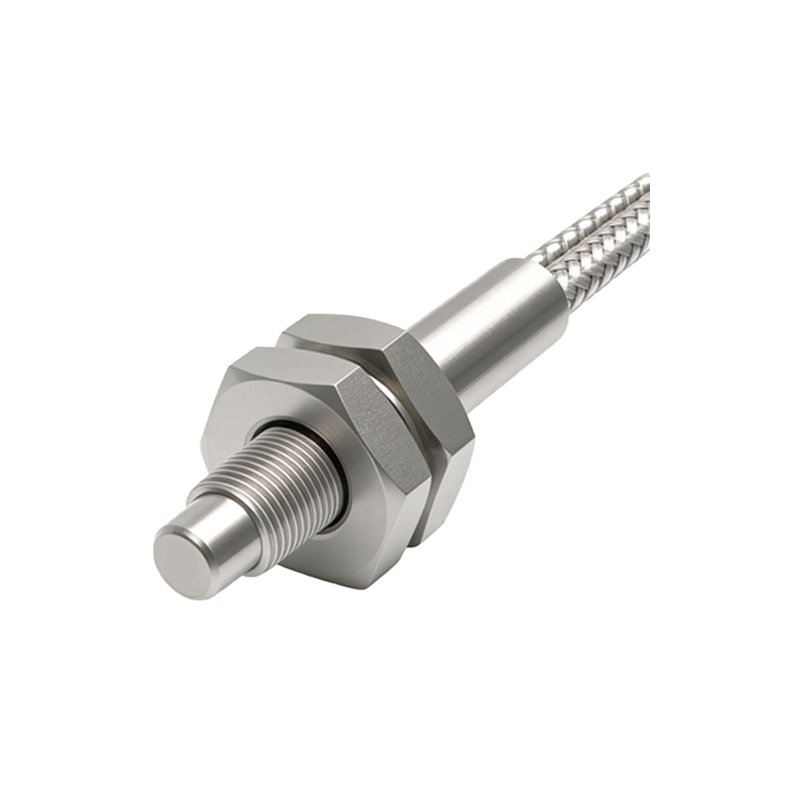
In automated warehouses, photoelectric sensors enhance efficiency by enabling real-time tracking and control. They are integrated into conveyor systems to detect item positions, trigger sorting mechanisms, and prevent jams. For instance, sensors can identify packages based on size or barcode placement, directing them to correct lanes for shipping. In high-bay storage, sensors assist cranes in locating and retrieving goods with millimeter precision, reducing retrieval times and human error. Additionally, photoelectric sensors monitor safety zones around machinery, halting operations if personnel enter restricted areas, thus ensuring a secure work environment. This automation not only boosts throughput but also supports just-in-time inventory practices, crucial for e-commerce and retail logistics.
Role in Transportation and AGVs
Transportation within logistics hubs relies heavily on photoelectric sensors for navigation and load handling. Automated guided vehicles (AGVs) use these sensors to follow predefined paths, avoid obstacles, and dock accurately at loading stations. By emitting light pulses, sensors measure distances to walls or other AGVs, enabling collision-free movement in dynamic environments. In truck loading bays, sensors verify container placement and detect when vehicles are properly aligned, streamlining loading processes. This reduces downtime and enhances safety, as manual interventions are minimized. Moreover, sensors in transportation systems contribute to energy efficiency by optimizing routes and reducing idle times, aligning with sustainability goals in logistics.
Benefits for Accuracy and Reliability
Photoelectric sensors significantly improve accuracy and reliability in logistics operations. Their non-contact nature eliminates physical damage to goods, while high-speed detection allows for rapid processing of items on fast-moving conveyors. With advanced features like adjustable sensing ranges and immunity to ambient light, these sensors maintain consistent performance under varying conditions, such as in outdoor yards or brightly lit facilities. This reliability translates to fewer false readings, reduced product loss, and enhanced data integrity for inventory systems. By providing precise feedback, sensors enable predictive maintenance, alerting operators to potential issues before they cause disruptions, thus supporting continuous operation in 24/7 logistics environments.
Integration with IoT and Smart Logistics
The integration of photoelectric sensors with the Internet of Things (IoT) is transforming logistics into smart, connected ecosystems. Sensors collect data on object movement, temperature, and humidity, transmitting it to central systems for analysis. This data-driven approach allows for real-time monitoring of supply chains, optimizing routes, and predicting demand fluctuations. In smart warehouses, sensors work alongside RFID and AI technologies to automate decision-making, such as restocking shelves or rerouting packages during peak times. This connectivity enhances visibility across the logistics network, enabling companies to respond swiftly to changes and improve customer satisfaction through faster, more accurate deliveries.
Future Trends and Innovations
Looking ahead, photoelectric sensors are poised to evolve with advancements in miniaturization, energy efficiency, and AI integration. Smaller sensors will enable more discreet installations in compact logistics equipment, while low-power designs will support battery-operated devices in remote areas. AI algorithms will enhance sensor capabilities, allowing for pattern recognition and adaptive sensing in complex environments. Additionally, the rise of 5G technology will facilitate faster data transmission from sensors, enabling real-time analytics at scale. As logistics continues to embrace automation and sustainability, photoelectric sensors will play a key role in driving innovations like autonomous drones for delivery and green warehouse initiatives, shaping the future of global supply chains.