Introduction to Proximity Sensor Outputs
Proximity sensors are fundamental components in industrial automation, providing non-contact detection of objects. A common point of confusion, especially for those new to electrical integration, revolves around their output signal state. The question "Is a proximity sensor high level?" is not one with a universal yes or no answer. The output state—whether it is high or low, active or inactive—is entirely dependent on the sensor's internal circuitry and specified output type. This characteristic is defined by the sensor's design as either NPN (sinking) or PNP (sourcing), and further by its normal state configuration, typically labeled as Normally Open (NO) or Normally Closed (NC). Understanding this distinction is critical for proper wiring, PLC programming, and system troubleshooting.
Defining NPN and PNP Output Circuits
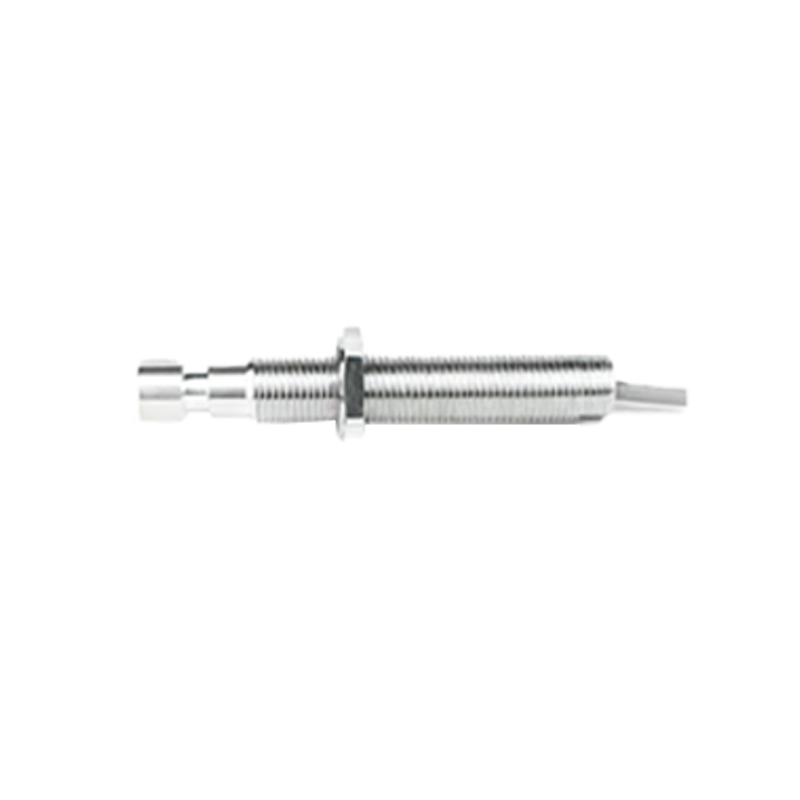
The core of the output state lies in the transistor technology used. An NPN sensor uses an NPN transistor to switch the load. In its inactive state (no target present for a NO sensor), the output transistor is off, and the output terminal is effectively floating or at a high impedance relative to the common (usually 0V). When activated, the NPN transistor turns on, connecting the output terminal to the common (0V or negative supply). Therefore, for a standard NPN-NO sensor, the active output is a low signal (sinking current to common). Conversely, a PNP sensor uses a PNP transistor. In its inactive state (for a NO type), the output is disconnected from the positive supply. When activated, the PNP transistor turns on, connecting the output terminal to the positive supply voltage (e.g., +24V). Thus, for a standard PNP-NO sensor, the active output is a high signal (sourcing current from the positive supply).
The Role of Normally Open and Normally Closed Logic
The output state is further modified by the sensor's normal condition logic. A Normally Open (NO) sensor has an output that is "off" or inactive when no target is within its sensing range. It closes or becomes active when a target is detected. A Normally Closed (NC) sensor operates in the opposite manner: its output is "on" or active in the absence of a target and turns off when a target is detected. Combining this with the output type is key. For instance, a PNP-NC sensor will output a high signal (+24V) when there is no target present and will switch to a low or 0V state when a target is detected. This inverse logic is crucial for safety applications and specific control sequences.
Interfacing with PLCs and Controllers
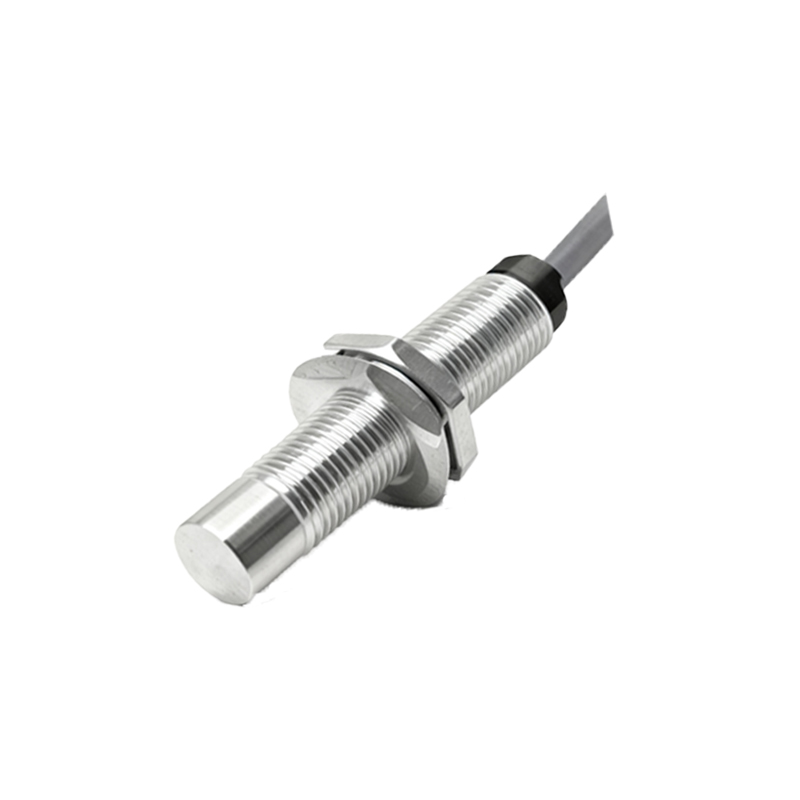
Proper interface with Programmable Logic Controllers (PLCs) hinges on matching the sensor output to the PLC input module. Most PLC input cards are designed to accept either sinking (NPN-compatible) or sourcing (PNP-compatible) signals. A common setup in many regions is to use PNP sensors with a sinking PLC input. In this configuration, the PLC input point is internally connected to common (0V). When the PNP sensor activates (outputs high, +24V), it sources current into the PLC input, completing the circuit and registering as a logic '1'. Using an NPN sensor with this same PLC card would typically not work, as the NPN sensor sinks current to common when active, failing to energize the PLC input circuit correctly. Always consult the datasheets of both the sensor and the controller.
Practical Measurement and Verification
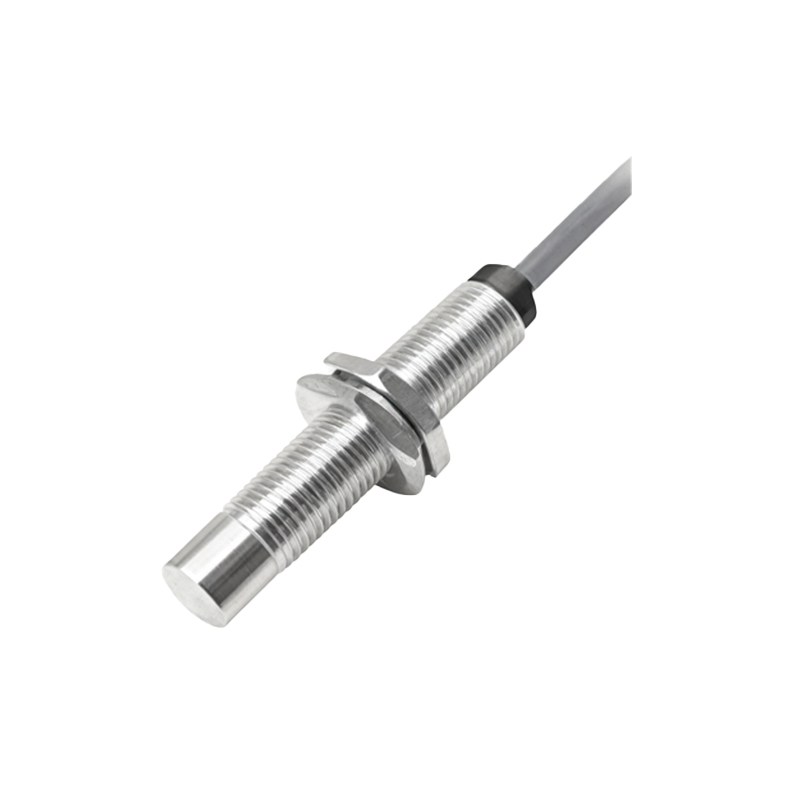
To empirically determine if a sensor's active output is high or low, a multimeter is essential. With the sensor powered (e.g., 24V DC between brown [+] and blue [-]), measure the voltage between the black output wire and the blue common wire. For a suspected PNP-NO sensor: with no target present, the voltage should be near 0V (inactive, low). When a target is introduced, the voltage should jump to approximately the supply voltage, e.g., 24V (active, high). For an NPN-NO sensor: with no target, the output may float or show a stray voltage. When a target is introduced, the voltage should drop to near 0V (active, low). This hands-on test confirms the datasheet specifications and ensures correct logical interpretation in the control system.
Conclusion: Context is Everything
In summary, a proximity sensor is not inherently "high level." Its active output state is a function of its design: PNP outputs are high when active (for NO types), while NPN outputs are low when active (for NO types