Introduction to Proximity Sensors in Modern Industry
Proximity sensors are indispensable components in industrial automation, enabling non-contact detection of objects to enhance efficiency, safety, and precision. These devices utilize various technologies, such as inductive, capacitive, ultrasonic, and photoelectric sensing, to detect the presence or absence of targets without physical contact. Widely used in manufacturing, packaging, automotive, and robotics, proximity sensors help streamline processes by providing reliable feedback for control systems. Their ability to operate in harsh environments—resisting dust, moisture, and temperature extremes—makes them vital for modern industrial applications. As automation continues to evolve, the demand for high-performance sensors grows, driving innovation among leading brands that prioritize durability, accuracy, and integration capabilities.
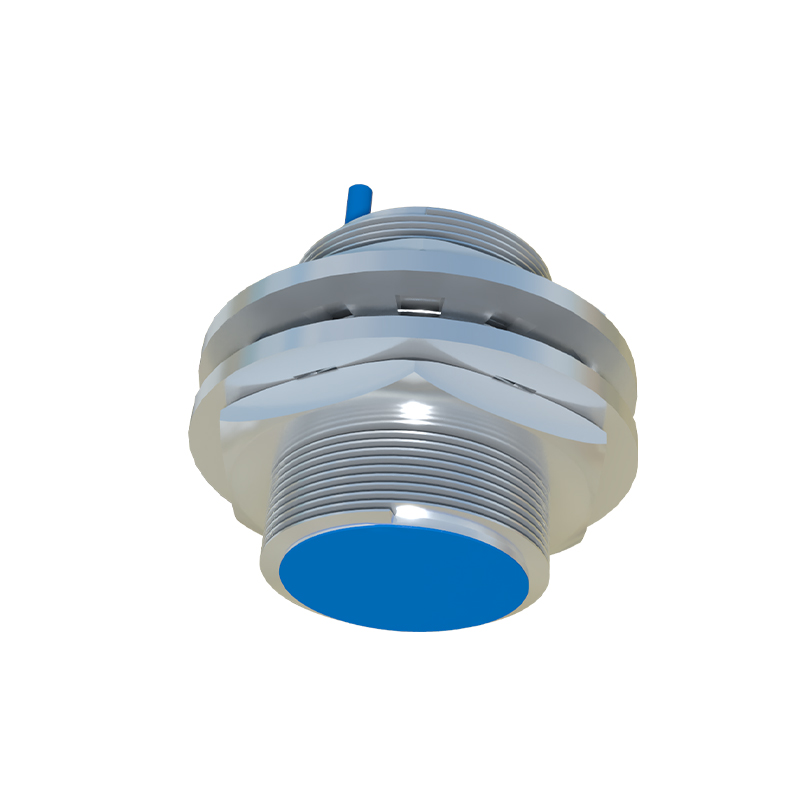
Key Criteria for Selecting Proximity Sensor Brands
When choosing a proximity sensor brand, several factors must be considered to ensure optimal performance. Reliability is paramount, as sensor failures can lead to costly downtime in production lines. Brands that offer robust construction and long operational lifespans are preferred in industries like automotive or heavy machinery. Accuracy and sensing range are also critical; high-precision sensors reduce errors in positioning and measurement tasks. Compatibility with existing control systems, such as PLCs (Programmable Logic Controllers), is essential for seamless integration. Additionally, environmental resistance—including IP ratings for dust and water protection—and compliance with international standards (e.g., IEC, UL) indicate a brand's commitment to quality. Cost-effectiveness, while important, should not compromise these technical aspects, as investing in reputable brands often yields lower total cost of ownership through reduced maintenance.
Leading Global Brands in Proximity Sensor Manufacturing
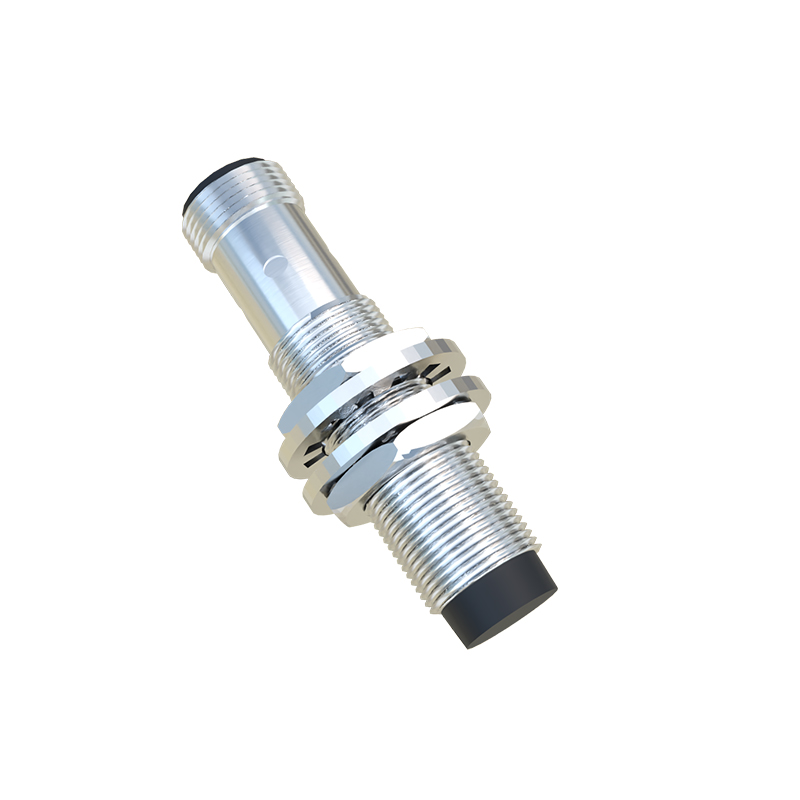
Several brands dominate the proximity sensor market, each known for specialized technologies and industry expertise. Siemens, a German multinational, offers a comprehensive range of inductive and ultrasonic sensors renowned for precision and durability in automation systems. Omron, a Japanese leader, excels in photoelectric and capacitive sensors, with products designed for high-speed applications and harsh conditions. Pepperl+Fuchs, another German manufacturer, is celebrated for its innovative inductive sensors and explosion-proof models suitable for hazardous areas. Schneider Electric, based in France, provides versatile sensor solutions that integrate seamlessly with its automation portfolios. Additionally, Rockwell Automation (Allen-Bradley) from the United States delivers reliable sensors optimized for North American industrial networks. These brands invest heavily in R&D, ensuring their sensors meet evolving industry demands for IoT connectivity and smart factory integration.
Specialized Brands for Niche Applications
Beyond mainstream manufacturers, niche brands cater to specific industrial needs. Balluff, a German company, focuses on high-precision inductive and RFID sensors for automotive and logistics, offering compact designs with advanced diagnostics. IFM Electronic, also from Germany, specializes in sensors with IO-Link communication, enabling real-time data exchange for predictive maintenance. Turck, another key player, provides ruggedized sensors for extreme environments, such as mining or food processing, with high resistance to chemicals and temperature fluctuations. For ultrasonic sensing applications, Banner Engineering stands out with versatile sensors used in level detection and object positioning. These brands often offer customized solutions, addressing unique challenges in sectors like pharmaceuticals or renewable energy, where standard sensors may fall short.
Technological Innovations and Future Trends
The proximity sensor industry is evolving with advancements in digitalization and connectivity. Modern sensors increasingly incorporate IO-Link technology, allowing for parameter adjustment and condition monitoring via industrial networks. Smart sensors with embedded diagnostics can predict failures, reducing unplanned downtime in Industry 4.0 setups. Brands are also miniaturizing sensors while enhancing performance, enabling integration into compact machinery and mobile robots. Energy-efficient designs are gaining traction to support sustainable operations. Looking ahead, the integration of AI and machine learning may enable sensors to adapt dynamically to changing environments. As industries embrace automation, brands that prioritize innovation—such as those developing multi-technology sensors or eco-friendly materials—will lead the market, driving efficiency and safety in global manufacturing landscapes.
Conclusion and Recommendations for Engineers
Selecting the right proximity sensor brand requires balancing technical specifications, application needs, and budget constraints. For general-purpose automation, Siemens or Omron offer reliable, widely compatible options. In hazardous or extreme conditions, Pepperl+Fuchs or Turck provide robust solutions with necessary certifications. For data-intensive applications, brands like IFM Electronic with IO-Link capabilities are ideal. Engineers should consult technical datasheets, evaluate sample units in real-world conditions, and consider supplier support services. Regular training on sensor technologies can help teams leverage full functionalities. Ultimately, partnering with reputable brands ensures long-term reliability, supporting continuous improvement in industrial processes and contributing to safer, more productive operations worldwide.