Understanding Slot Type Photoelectric Sensors
Slot type photoelectric sensors, often referred to as fork or U-shaped sensors, are a fundamental component in modern industrial automation. These devices consist of a U-shaped housing that contains both an infrared light emitter and a receiver positioned directly opposite each other across a narrow gap or "slot." The core operating principle is straightforward: the emitter projects a continuous beam of light across the slot to the receiver. When an object passes through this slot, it interrupts the light beam. This interruption is instantly detected by the receiver, which then triggers an electrical output signal. This simple yet highly reliable through-beam sensing method makes slot sensors exceptionally accurate and immune to many environmental variables that affect other sensor types, such as target color, reflectivity, or surface finish. They are the go-to solution for precise object detection, counting, and positioning tasks where consistent performance is non-negotiable.
Key Advantages for Industrial Automation
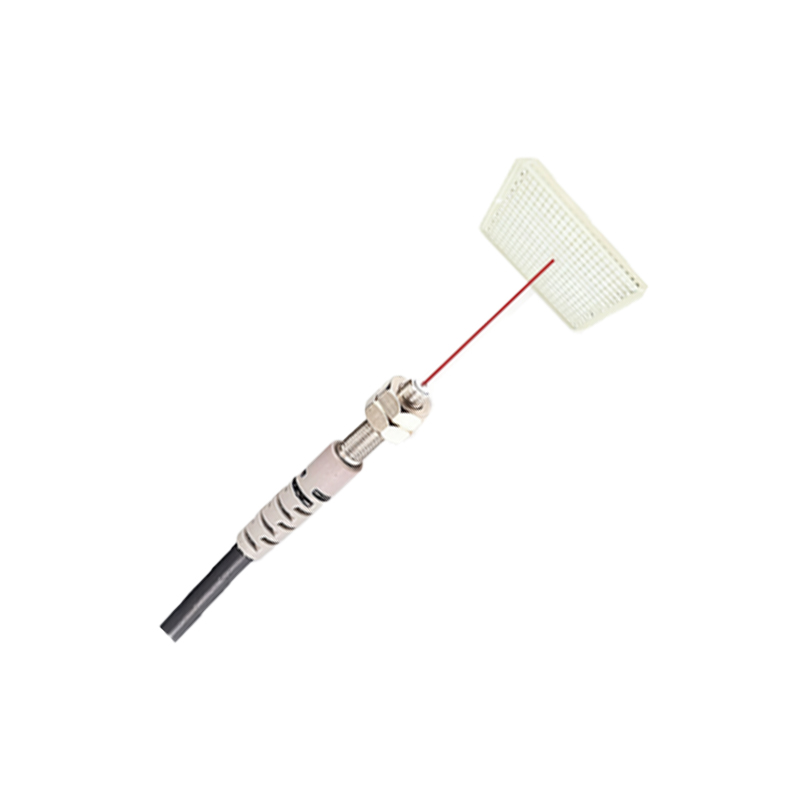
The design of slot sensors offers several distinct advantages that justify their widespread use in wholesale procurement for factories. First and foremost is their exceptional reliability and precision. Since the emitter and receiver are perfectly aligned within a single, rigid housing, there is no risk of misalignment over time due to vibration or shock—a common issue with separate emitter-receiver setups. This built-in alignment guarantees a consistent sensing field. Secondly, they offer high-speed response times, capable of detecting objects moving at very high velocities, which is critical for packaging, sorting, and assembly lines. Furthermore, their compact and self-contained design simplifies installation, requiring only one mounting point and one wiring connection. This reduces installation time and cost, a significant factor when deploying sensors in large quantities across a facility.
Common Applications in Manufacturing
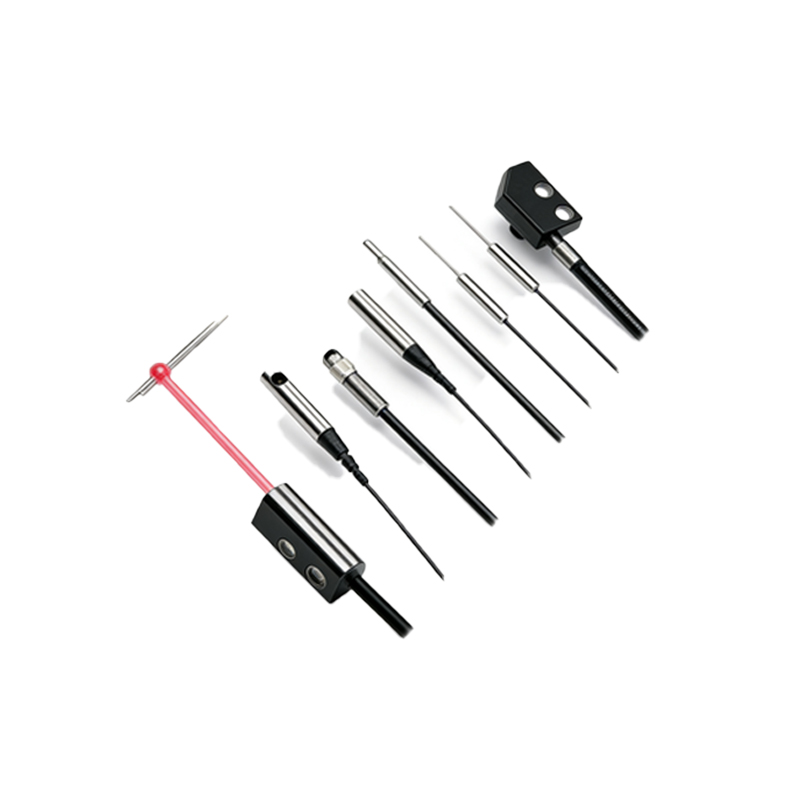
The applications for wholesale slot photoelectric sensors are vast and varied across different industries. In the printing and paper processing sector, they are indispensable for detecting the presence of paper, monitoring paper jams, and performing precise sheet counting. Within automated assembly lines, they verify the presence of components on conveyor belts, detect missing parts, and control the positioning of items for robotic pick-and-place operations. The packaging industry relies heavily on these sensors for label detection, verifying flap closure on boxes, and ensuring product fill levels. They are also crucial in the textile industry for edge guiding of fabrics and detecting broken threads. Essentially, any process requiring non-contact detection of small to medium-sized objects in a constrained space is a perfect candidate for slot sensor technology.
Critical Selection Criteria for Bulk Purchasing
When procuring slot type photoelectric sensors in wholesale quantities, several technical specifications must be carefully evaluated to ensure optimal performance and cost-effectiveness. The slot width and depth are primary considerations, determining the maximum size of object that can pass through and the required mounting clearance. The sensing object minimum size specifies the smallest object the sensor can reliably detect. Output type is another key decision; options typically include NPN, PNP (transistor outputs), or relay contacts, and must match the control system's input requirements (e.g., PLC). The power supply voltage (commonly 10-30V DC or 90-250V AC) must be compatible with the plant's electrical infrastructure. Additionally, consider features like response time for high-speed applications, environmental protection ratings (IP67 for dust and water resistance is common), and the construction material for durability in harsh conditions.
The Economic Benefits of Wholesale Procurement
Sourcing slot photoelectric sensors through wholesale channels presents substantial economic advantages for manufacturing and distribution companies. The most direct benefit is a significantly lower unit cost. Bulk purchasing leverages economies of scale, allowing wholesalers to offer competitive pricing that is often unavailable for small-quantity orders. This leads to considerable savings on capital expenditure, especially for large-scale automation projects or facility-wide upgrades. Beyond unit price, wholesale procurement simplifies supply chain management. It ensures consistent supply of identical sensor models, which is crucial for maintaining standardization, simplifying maintenance, and reducing inventory complexity. Establishing a relationship with a reputable wholesaler also provides access to technical support, volume-based discounts, and streamlined logistics, reducing overall operational overhead and minimizing production downtime due to sensor shortages.
Partnering with the Right Wholesale Supplier
Choosing a reliable wholesale supplier is as important as selecting the right sensor model. A superior supplier offers more than just low prices. Look for a partner with a comprehensive and high-quality product portfolio from reputable manufacturers, ensuring sensor reliability and longevity. They should provide deep technical expertise to assist with selection and troubleshooting. Robust inventory management is essential to guarantee product availability and fast delivery times, preventing project delays. Additionally, evaluate their value-added services, such as customized labeling, kitting, or flexible payment and return policies. A supplier with a strong global logistics network can ensure timely delivery to multiple plant locations. Ultimately, a strategic partnership with a knowledgeable wholesaler becomes a key asset in maintaining efficient and uninterrupted industrial automation operations.