Introduction to Embedded Proximity Sensors
Embedded proximity sensors, particularly those operating at 6V DC, are integral components in modern automation and control systems. These sensors are designed to detect the presence or absence of objects without physical contact, utilizing electromagnetic fields, infrared light, or capacitive sensing principles. The 6V specification is crucial as it aligns with low-voltage safety standards and is compatible with a wide range of electronic circuits and microcontrollers, making these sensors versatile for both industrial and consumer applications. Their embedded nature allows for seamless integration into machinery, vehicles, and smart devices, where space constraints and reliability are paramount.
Technical Specifications of 6V Models
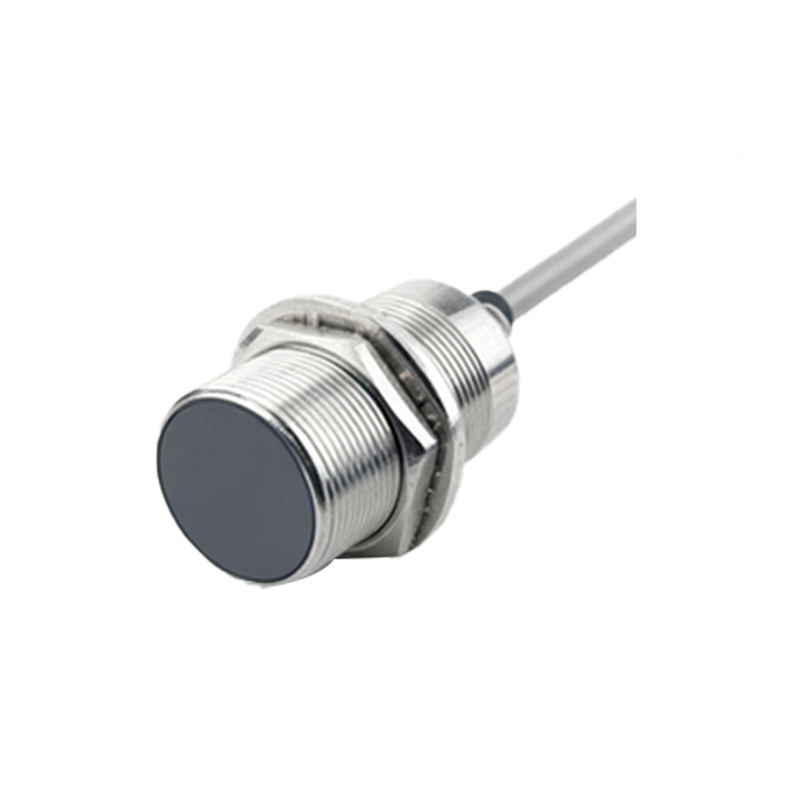
A typical 6V embedded proximity sensor offers a compact form factor, often with diameters ranging from 4mm to 12mm, suitable for tight installations. Key specifications include a sensing distance that varies from 1mm to 5mm, depending on the target material and sensor type (inductive, capacitive, or photoelectric). Operating at 6V DC, these sensors usually consume low current, typically under 20mA, ensuring energy efficiency and minimal heat generation. Response times are fast, often in the microsecond range, enabling high-speed detection in dynamic environments. Additionally, they feature robust housing materials like nickel-plated brass or stainless steel, providing resistance to vibration, moisture, and electromagnetic interference, which is essential for harsh industrial settings.
Working Principles and Sensing Technologies

Embedded proximity sensors at 6V primarily operate on three technologies. Inductive sensors generate an oscillating electromagnetic field to detect metallic objects, making them ideal for metal detection in machinery. Capacitive sensors measure changes in capacitance to sense both metallic and non-metallic materials, such as liquids or plastics, useful in level detection applications. Photoelectric sensors use infrared light beams to identify objects, offering longer sensing ranges and precision in clean environments. The 6V power supply ensures stable operation across these technologies, with built-in circuitry for noise suppression and signal conditioning, delivering reliable output signals (e.g., NPN or PNP transistor outputs) to control systems.
Advantages of Using 6V Embedded Sensors
The adoption of 6V embedded proximity sensors brings several benefits. Their low voltage operation enhances safety by reducing electrical hazards, complying with international standards like IEC 60947-5-2. The compact design allows for easy mounting in confined spaces, minimizing mechanical interference. Energy efficiency is another key advantage, as lower power consumption extends battery life in portable devices and reduces operational costs in large-scale installations. Furthermore, these sensors offer high durability and long service life, with minimal maintenance requirements, thanks to solid-state construction that lacks moving parts. This reliability translates to reduced downtime and improved productivity in automated processes.
Common Applications in Industry
6V embedded proximity sensors are widely used across various sectors. In automotive manufacturing, they monitor position and movement in assembly lines, such as detecting piston positions or gear rotations. Robotics relies on them for precise object detection and collision avoidance in robotic arms and autonomous vehicles. Consumer electronics incorporate these sensors for touch-sensitive controls and proximity detection in smartphones or home appliances. In industrial automation, they facilitate counting, sorting, and packaging tasks on conveyor belts, ensuring accurate and efficient operations. Their versatility also extends to medical devices, where they enable non-contact sensing in diagnostic equipment and patient monitoring systems.
Installation and Maintenance Guidelines
Proper installation is critical for optimal performance of 6V embedded proximity sensors. Ensure correct alignment with the target object, maintaining the specified sensing distance to avoid false triggers. Use shielded cables to prevent electromagnetic interference, and secure connections to avoid voltage drops. For maintenance, regularly clean the sensor face to remove dust or debris that could impair sensitivity. Check the power supply stability, as fluctuations beyond 6V±10% may cause malfunctions. In case of issues, verify output signals with a multimeter and consult the manufacturer's datasheet for troubleshooting. With minimal wear, these sensors typically require only periodic inspections to ensure long-term reliability.
Future Trends and Innovations
The future of 6V embedded proximity sensors is shaped by advancements in miniaturization and smart technology. Emerging trends include integration with IoT (Internet of Things) platforms, enabling real-time data monitoring and predictive maintenance via wireless connectivity. Enhanced materials, such as graphene-based components, may improve sensitivity and reduce power consumption further. Additionally, AI-driven algorithms are being developed to enable adaptive sensing, allowing sensors to learn from environmental changes and optimize performance autonomously. As industries move towards greener solutions, 6V sensors will continue to evolve, offering higher efficiency and broader applications in smart cities, renewable energy