Understanding the Core Technology
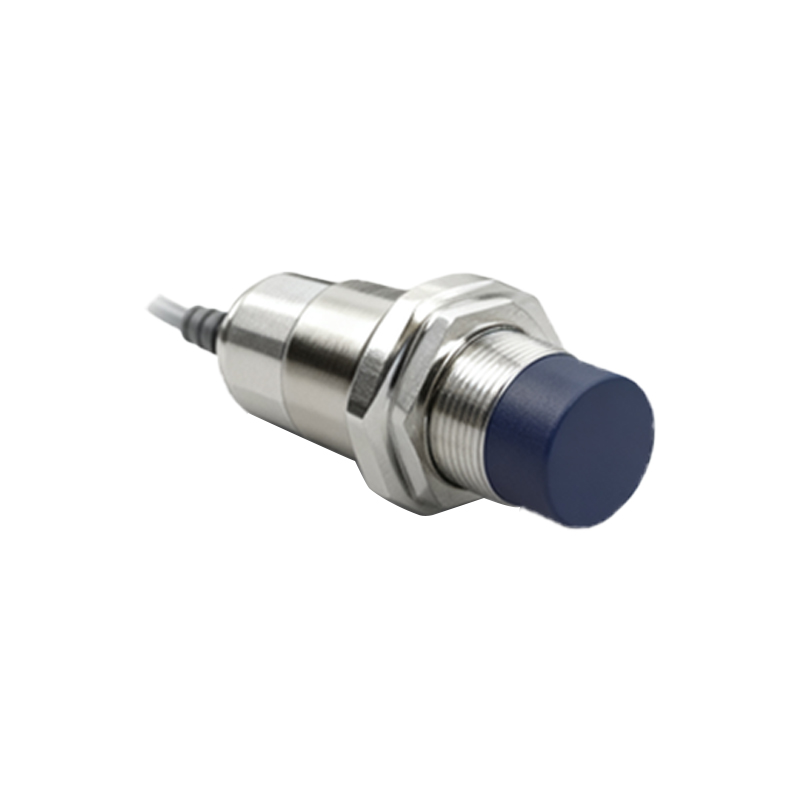
Proximity infrared photoelectric sensors, often referred to as IR beam sensors or through-beam sensors, are fundamental components in modern industrial automation. These devices operate on a straightforward yet highly effective principle. They consist of two separate units: a transmitter and a receiver. The transmitter emits a focused beam of infrared light, which is invisible to the human eye. The receiver, positioned directly opposite, is designed to detect this specific light signal. When an object passes between the two units, it interrupts the beam. This interruption is instantly registered by the receiver, which then sends an electrical signal to the connected control system, such as a PLC. The key to their reliability lies in the use of modulated infrared light. The transmitter pulses the IR light at a specific frequency, and the receiver is tuned to recognize only that frequency. This modulation makes the system highly immune to ambient light interference from factory lighting, sunlight, or other sources, ensuring stable and accurate detection even in challenging environments.
Key Advantages Over Other Sensor Types
The design of through-beam infrared sensors offers several distinct benefits that make them suitable for a wide range of applications. First and foremost is their exceptional sensing range. These sensors can reliably detect objects over distances that far exceed those of diffuse-reflective or retro-reflective sensors, often spanning several meters or even tens of meters. This makes them ideal for monitoring large entryways, conveyor lines, or protective guarding areas. Secondly, they provide very high positional accuracy. Because the detection is triggered only when the beam is fully broken, the exact point of interruption is well-defined, unlike diffuse sensors where the detection point can vary with the object's color or surface texture. Furthermore, their consistent performance is largely unaffected by the color, reflectivity, or material of the target object. Whether detecting a transparent glass bottle, a matte black rubber belt, or a shiny metal part, the sensor will react as long as the object is opaque enough to interrupt the light beam.
Common Industrial Applications
The robustness and long-range capability of proximity IR beam sensors have cemented their role across numerous industries. In material handling and packaging, they are ubiquitous for object counting on high-speed conveyor belts, ensuring precise batch control and inventory management. They are critical for jam detection in machinery, where a broken beam can signal a blockage and trigger an immediate machine shutdown to prevent damage. Within the automotive manufacturing sector, these sensors are used for precise positioning of vehicle bodies on assembly lines and for verifying the presence of components during robotic welding or assembly processes. Another vital application is in safety guarding. Arrays of infrared beams can create invisible safety curtains around hazardous machinery like presses, robots, or saws. If a person or object breaks the light curtain, the system initiates a safe stop command, protecting personnel from injury.
Critical Selection Criteria
Choosing the correct infrared photoelectric sensor for a specific task requires careful consideration of several technical parameters. The sensing range is the primary factor; the selected model must have a rated operating distance that exceeds the actual installation gap between the transmitter and receiver, with a suitable safety margin. The environmental rating is equally crucial. For washdown areas in food processing or outdoor installations, sensors with high Ingress Protection (IP) ratings, such as IP67 or IP69K, are necessary to withstand water, dust, and chemical exposure. The response time, or the speed at which the sensor can detect a beam break and send a signal, is critical in high-speed automation. For detecting small objects or precise edges, the beam spot size matters—a smaller, more focused beam allows for finer detection. Finally, the electrical output type (e.g., NPN, PNP, relay) and supply voltage must be compatible with the existing control system infrastructure.
Installation and Alignment Best Practices
Proper installation is paramount to achieving reliable and long-term operation. The transmitter and receiver must be mounted on stable, vibration-free surfaces to prevent misalignment over time. Precise alignment is the most critical step during commissioning. Many modern sensors feature built-in alignment aids such as visual indicators (LEDs that change color or brightness) or audible signals that help technicians achieve perfect coaxial alignment of the two units. It is good practice to secure the units temporarily, fine-tune the alignment for maximum signal strength, and then firmly tighten all mounting hardware. For long-range applications, using mounting brackets with fine-adjustment capabilities is highly recommended. Cabling should be routed away from sources of electrical noise, such as motor drives or high-current cables, and securely fastened to prevent accidental disconnection or strain on the connectors.
Troubleshooting and Maintenance Insights
Even well-installed sensors may occasionally require troubleshooting. The most common issue is misalignment due to mechanical