Introduction to Photoelectric Sensor Modules
Photoelectric sensor modules are fundamental components in industrial automation, designed to detect the presence, absence, or position of objects without physical contact. These sensors operate by emitting a beam of light, typically infrared or visible, from a transmitter to a receiver. When an object interrupts this light beam, the receiver detects the change in light intensity, triggering an output signal. This non-contact detection method offers high reliability, long operational life, and exceptional precision, making it ideal for harsh industrial environments where mechanical wear, dust, or moisture could compromise performance. Common applications include object counting on conveyor belts, edge detection in packaging machinery, and safety curtains in robotic cells. The core principle hinges on the modulation of light, allowing the sensor to distinguish between ambient light and the emitted signal, thereby minimizing false triggers and ensuring stable operation across varying lighting conditions.
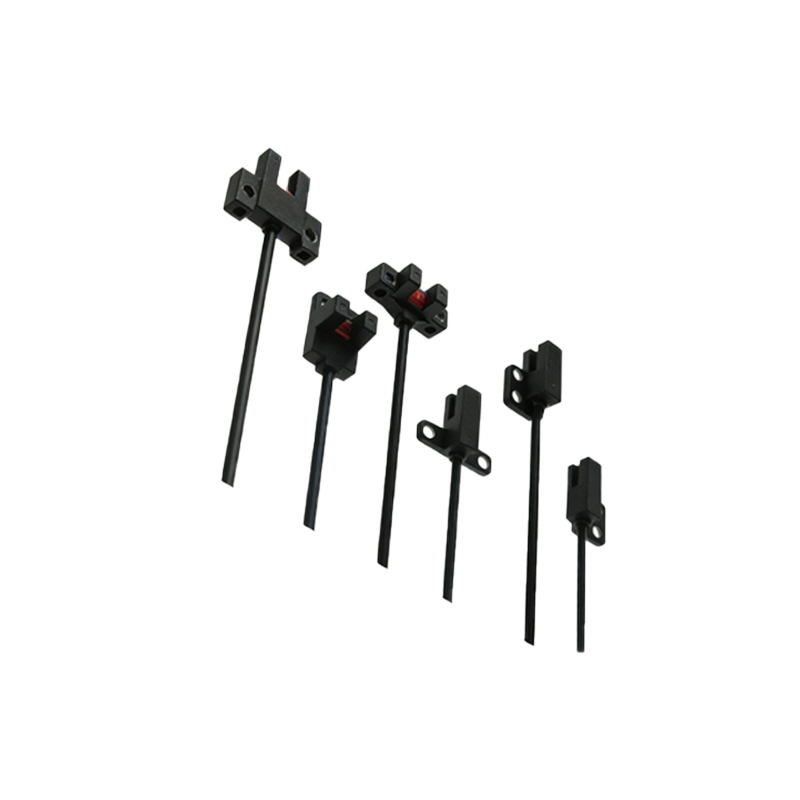
Principles of Pulse Counting with Photoelectric Sensors
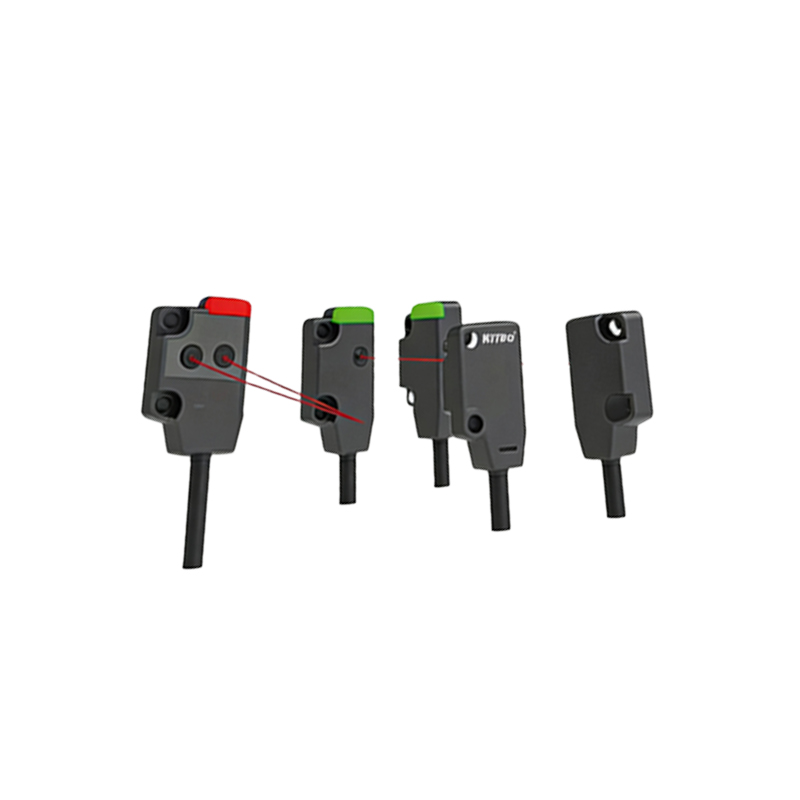
Pulse counting utilizing photoelectric sensors involves converting object detections into discrete electrical pulses for quantitative analysis. Each time an object breaks the light beam between the transmitter and receiver, the sensor's output transitions—typically from a high to low logic state—generating a single pulse. A pulse counter, either embedded within a programmable logic controller (PLC), a dedicated counter module, or a microcontroller, registers these transitions. The counting mechanism can be configured for incremental counting (adding counts) or decremental counting (subtracting counts), depending on the process requirement. Key parameters influencing accuracy include the sensor's response time, which must be faster than the rate of object passage, and the beam's alignment, ensuring consistent interruption detection. Advanced sensors incorporate background suppression or modulated light to handle reflective or transparent objects, ensuring each object generates a clean, countable pulse even in challenging material handling scenarios.
Design and Integration of Pulse Counter Circuits
Designing an effective pulse counter circuit requires careful consideration of signal conditioning, noise immunity, and interface compatibility. The raw output from a photoelectric sensor often requires conditioning, such as debouncing or Schmitt triggering, to convert mechanical vibrations or electrical noise into clean, square-wave pulses suitable for digital counting. Integrated circuits like decade counters or microcontrollers with hardware counter peripherals are commonly employed. For industrial systems, integration with PLCs is standard; the sensor's output is wired to a high-speed counter input card, which can handle frequencies up to several kilohertz. Programming within the PLC ladder logic or structured text defines count thresholds, reset conditions, and output actions—like activating a solenoid or triggering an alarm upon reaching a preset count. Ensuring proper wiring, using shielded cables for long runs, and implementing optical isolation can prevent electromagnetic interference from corrupting the count data, which is critical in high-noise factory environments.
Applications in Industrial Automation and Quality Control
Pulse counters driven by photoelectric sensors are pivotal in numerous industrial automation and quality control processes. In packaging lines, they count bottles, cans, or boxes to manage batch sizes and inventory. In assembly operations, they verify the number of components installed, preventing incomplete products from proceeding. High-speed counting applications, such as in pharmaceutical tablet production or electronic component sorting, demand sensors with sub-millisecond response times and counters with high-frequency capabilities. Additionally, these systems facilitate quality control by detecting missing items or jams; a deviation from the expected pulse count can trigger an immediate stoppage or alert. In conveyor systems, dual-sensor setups enable direction sensing and velocity calculation by measuring the time between pulses, enhancing process monitoring. The data collected can be fed into supervisory control and data acquisition (SCADA) systems for real-time analytics and historical trending, supporting predictive maintenance and operational efficiency.
Optimization and Troubleshooting Techniques
Optimizing a photoelectric sensor pulse counter system involves calibrating sensitivity, aligning optics, and selecting appropriate mounting hardware. Regular maintenance includes cleaning lenses to prevent dust accumulation, which can attenuate the light beam and cause missed counts. Troubleshooting common issues starts with verifying power supply stability and output signal integrity using an oscilloscope or multimeter. If counts are inaccurate, check for environmental factors like ambient light interference, vibration, or misalignment; using sensors with modulated light can mitigate many of these issues. For erratic counts, inspect wiring for loose connections or damage, and ensure the counter's input configuration matches the sensor's output type (e.g., NPN vs. PNP). Implementing redundancy with multiple sensors or using encoder-based systems for extremely high-speed applications can enhance reliability. Documenting count thresholds and performing periodic validation against known quantities help maintain system accuracy over time, ensuring consistent performance in automated production environments.