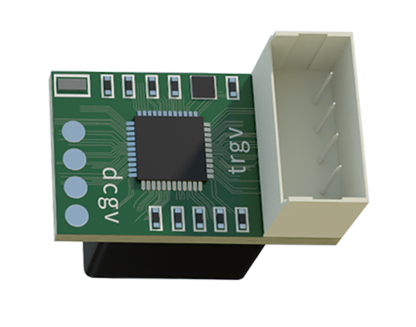
In the world of smartphone technology, sensors play a crucial role in enabling various smart features. Among these, the proximity sensor is a common component that often sparks curiosity. A frequent question that arises is whether phone proximity sensors utilize laser technology. To address this directly: most standard proximity sensors in smartphones do not employ lasers. Instead, they typically rely on infrared (IR) light-emitting diodes (LEDs) and photodetectors. This setup allows the sensor to detect the presence of nearby objects, such as your ear during a phone call, triggering the screen to turn off to prevent accidental touches.
The principle is straightforward. The IR LED emits an invisible infrared light beam. When an object comes close to the phone's screen, this light reflects back to the photodetector. The sensor measures the intensity of the reflected light to determine the object's proximity. This method is effective, energy-efficient, and safe for everyday use. It requires no complex laser systems and has been the industry standard for years in basic proximity detection.
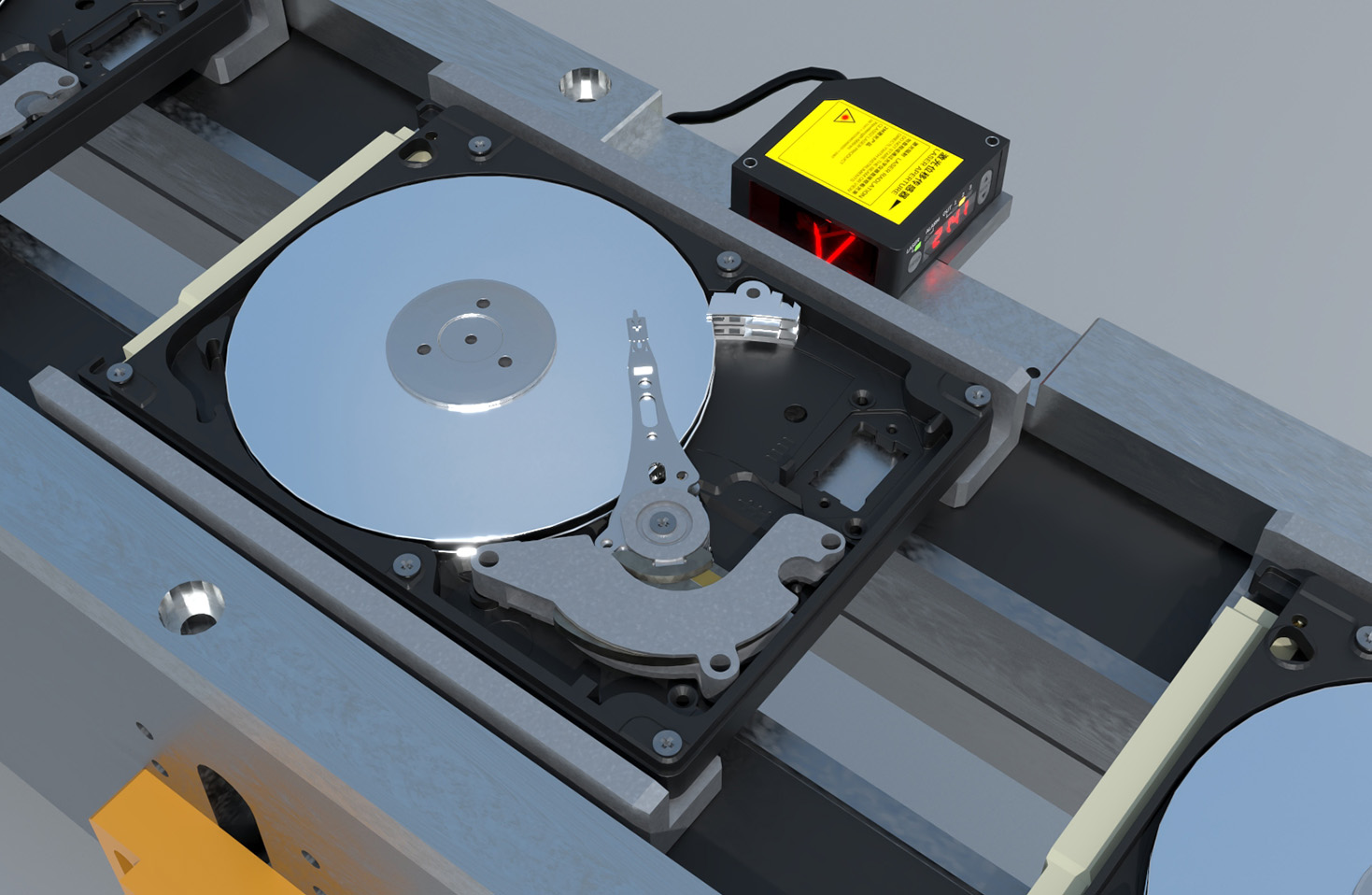
However, the technological landscape is evolving. With the advent of advanced features like augmented reality (AR), facial recognition, and improved camera autofocus, some high-end smartphones have begun integrating more sophisticated sensors. This is where laser technology enters the conversation. Specifically, laser autofocus systems (often called Laser AF or time-of-flight sensors) are sometimes confused with proximity sensors.
Laser autofocus is a different component, commonly found in camera modules. It uses a low-power laser to measure the distance to a subject quickly, enabling faster and more accurate focusing, especially in low-light conditions. This laser system is dedicated to enhancing photography and is separate from the primary proximity sensor responsible for screen blanking during calls.
Furthermore, modern phones, particularly premium models, may incorporate LiDAR (Light Detection and Ranging) scanners. Apple introduced this in some iPad Pro and iPhone Pro models. LiDAR uses laser pulses to create a detailed depth map of the surrounding environment. Its primary applications are in advanced AR experiences, improved portrait mode effects, and measuring applications. While it can sense proximity and depth with high precision, it is a specialized, powerful sensor not used for the basic function of turning off the screen during a call. The standard IR-based proximity sensor remains for that fundamental task due to its simplicity and reliability.

So, why the confusion? The term "laser" is often used broadly in marketing for features related to focus or scanning. When consumers hear about "laser autofocus" in their phone's camera specs, they might mistakenly assume all distance-sensing uses lasers. It's important to differentiate between the sensor types and their specific roles within the device.
In summary, the classic proximity sensor that manages your screen during calls is an IR-based system. Laser technology, when present, is reserved for more advanced functions like camera focus or environmental mapping in high-end models. This distinction highlights the layered sophistication of modern smartphones, where different sensors work in harmony to deliver a seamless user experience. As technology progresses, we may see further integration, but for now, the humble IR proximity sensor remains a staple of everyday phone interaction.