Proximity sensors have become indispensable components in modern industrial automation, robotics, and smart systems. Their ability to detect the presence or absence of an object without physical contact makes them crucial for efficiency, safety, and precision. When designing proximity sensors for export markets, manufacturers must consider specific structural adaptations to meet diverse international standards, environmental conditions, and application requirements. This article explores the key structural elements of export-grade proximity sensors, highlighting design considerations that ensure reliability and compliance across global markets.
The core of any proximity sensor is its sensing element, which determines the detection principle. Inductive sensors, widely used for metal detection, typically incorporate a coil wound around a ferrite core within a housing. The structure includes an oscillator circuit that generates an electromagnetic field. When a metallic object enters this field, eddy currents are induced, causing a change in oscillation amplitude, which is then processed by the sensor's electronics. For export, these coils are often encapsulated with high-grade epoxy resins or thermoset plastics to withstand mechanical stress, thermal cycling, and corrosive atmospheres common in industrial settings worldwide.
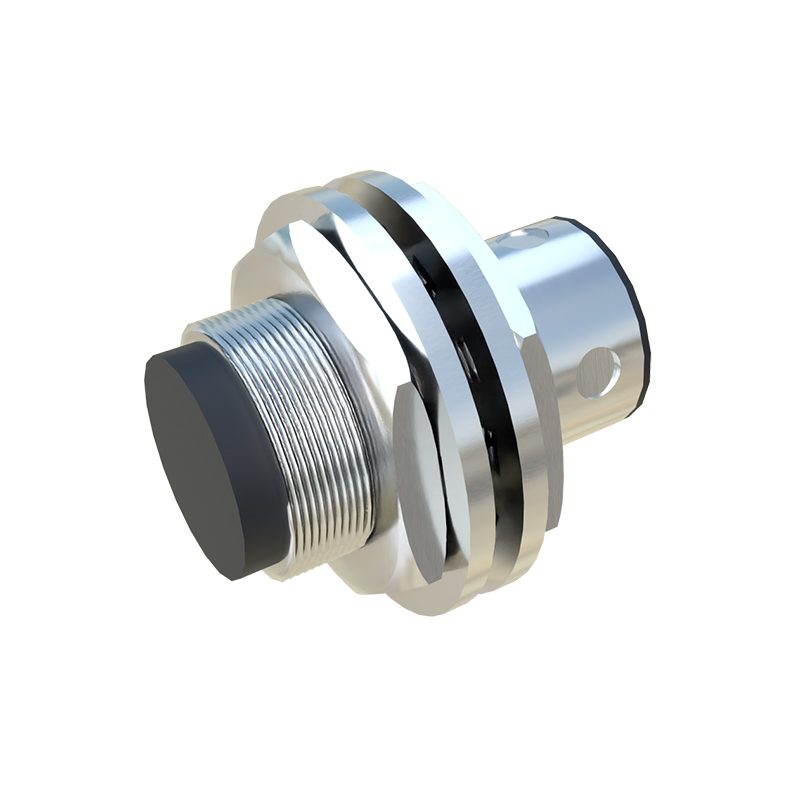
Capacitive sensors, capable of detecting both metallic and non-metallic materials, feature a different internal architecture. They consist of two conductive electrodes forming an open capacitor. The sensor's face or sensing area acts as one electrode, while the object to be detected acts as the other. The internal structure includes a RC oscillator circuit. The entry of an object alters the dielectric constant, changing capacitance and oscillation frequency. Export-oriented models often incorporate shielding structures to minimize false triggers from surrounding materials and ensure stable performance in varied environments, from humid climates to dry, dusty worksites.
The housing material and design are critical structural aspects for export compliance. Enclosures are commonly constructed from stainless steel (such as 303, 304, or 316 grades), brass, or engineering plastics like PBT or PPS. Stainless steel housings offer excellent corrosion resistance, essential for chemical plants or marine applications. Plastic housings provide cost-effectiveness and electrical insulation. The ingress protection (IP) rating, a key export specification, defines the housing's ability to resist dust and water. Structures rated IP67 or IP68 are standard for export, featuring sealed joints, laser-welded seams, or ultrasonic welding to prevent moisture and contaminant ingress. The housing shape—cylindrical, rectangular, or block-style—is also chosen based on installation space and mounting norms in target regions.
Connection and cabling structures vary to meet regional electrical standards. Many export sensors feature quick-disconnect (QD) connectors, such as M8, M12, or M23 threaded types, which are globally recognized. These allow for easy replacement and maintenance. Alternatively, sensors may have integrated PVC or PUR cables with specified lengths. The cable entry point is a structurally vulnerable area; hence, robust strain relief mechanisms—like molded cable glands or clamping sleeves—are integrated to prevent wire pull-out and maintain seal integrity during vibration or continuous flexing.
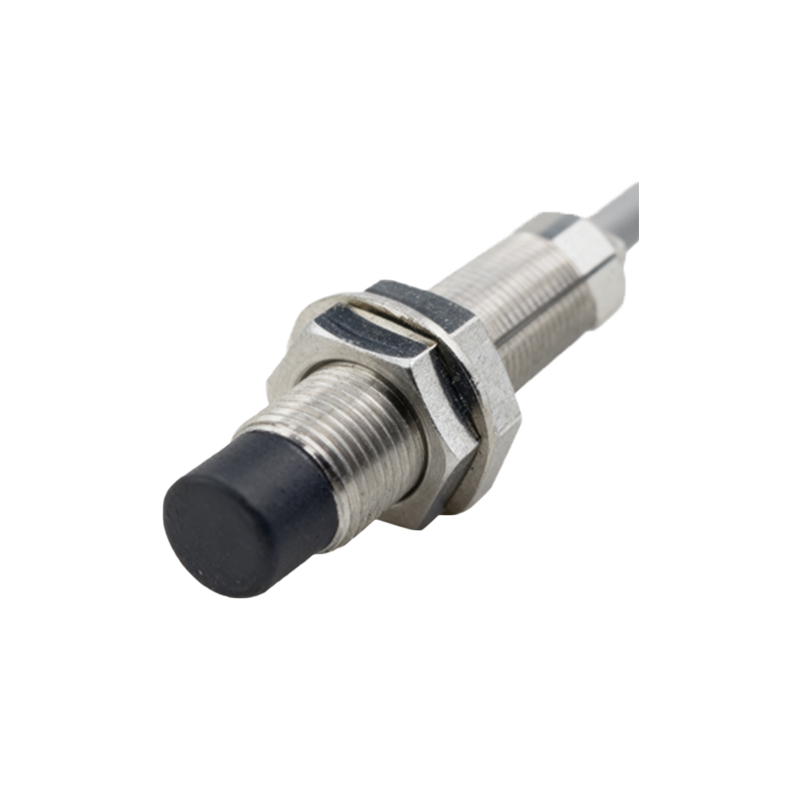
Internal electronics are protected within the housing by potting compounds. This potting material, often a silicone or polyurethane-based compound, fills empty spaces around the circuit board. It provides structural support, dissipates heat, and shields sensitive components from shock, vibration, and electromagnetic interference (EMI). For export to regions with strict electromagnetic compatibility (EMC) regulations, such as the EU (requiring CE marking) or North America, additional internal shielding like metalized coatings or ferrite beads may be incorporated into the structure to suppress electromagnetic emissions.
The sensing face, a critical structural interface, is designed for durability. In inductive sensors, this face is typically made of a wear-resistant material like PTFE (Teflon) or ceramic. These materials protect the underlying coil from abrasion by metal chips or during contact with detected objects. The face thickness is precisely calibrated; too thick a layer can reduce sensing range, while too thin can compromise durability. For capacitive sensors, the face material is chosen for consistent dielectric properties.
Finally, structural design for export involves adherence to international safety and performance standards. This includes markings for certification bodies (like UL, CSA, CE, or CCC), laser-etched or embossed on the housing for permanence. The overall structural robustness is validated through type tests for shock, vibration (following standards like IEC 60068-2-6), and temperature extremes (from -25°C to 70°C or wider), ensuring the sensor performs reliably whether installed in a German automotive plant, a Chinese packaging line, or an outdoor application in the Middle East.
In conclusion, the structure of an export proximity sensor is a carefully engineered system balancing detection performance, physical durability, and regulatory compliance. From the internal sensing element and potted electronics to the corrosion-resistant housing and standardized connectors, each structural component is optimized to deliver consistent, maintenance-free operation in the diverse and demanding conditions of the global market. Manufacturers who prioritize these