Proximity sensors are ubiquitous in modern technology, silently performing critical tasks in smartphones, industrial automation, vehicles, and countless other applications. At the heart of their functionality lies a key parameter: detection distance. Understanding this concept is essential for selecting the right sensor and ensuring reliable operation in any system.
Detection distance, often called sensing range, refers to the maximum distance at which a proximity sensor can reliably detect a standard target. It is not a single fixed value but a specification defined under specific conditions. This distance is typically measured from the sensing face of the sensor to the target. It's crucial to distinguish between nominal sensing distance (Sn), the theoretical value under ideal conditions, and the effective operating distance, which accounts for real-world variables like supply voltage, temperature, and target characteristics.
Several core factors directly influence the achievable detection distance. The first is the sensor's underlying technology. Inductive sensors, which detect metallic objects, generally have shorter ranges, from a few millimeters up to about 60 mm for larger models. Capacitive sensors can detect both metallic and non-metallic materials (like plastic, wood, or liquids) but usually offer similar or slightly shorter ranges than inductive types. Ultrasonic sensors use sound waves and can achieve much longer ranges, from centimeters to several meters, making them suitable for level detection or larger object presence. Photoelectric sensors, using light beams, offer the longest ranges, from a few centimeters up to tens of meters, depending on the mode (through-beam, retro-reflective, or diffuse).
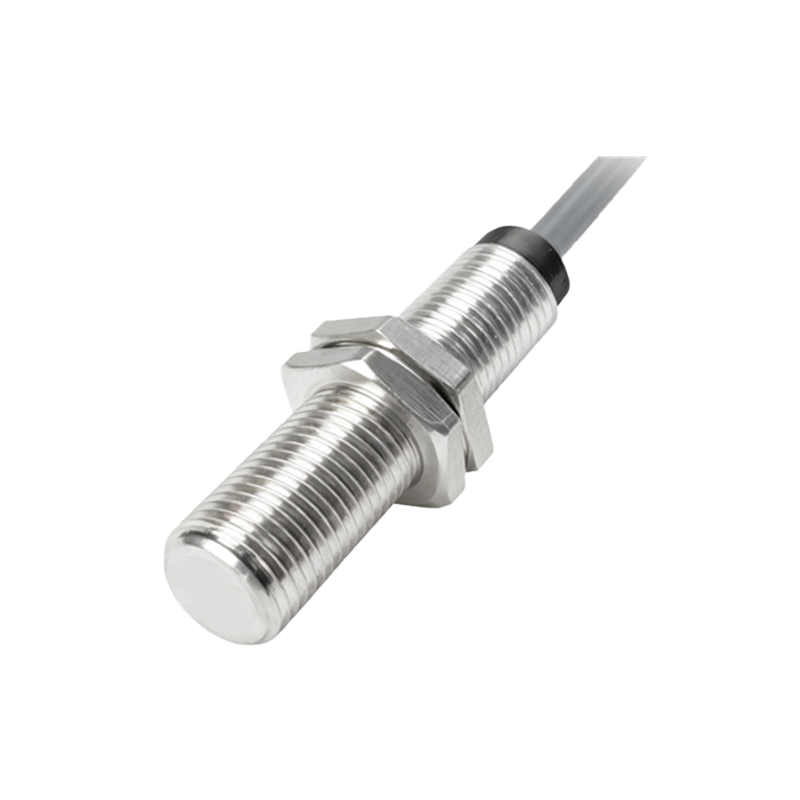
The second major factor is the target itself. For inductive sensors, the target material's properties—specifically its conductivity and permeability—are paramount. Mild steel (a ferromagnetic material) provides the longest detection distance. Non-ferrous metals like aluminum, copper, or brass are detected at a significantly reduced range, often 40-60% less than for steel. The target's size, shape, and orientation also matter. A standard target for specification purposes is typically a square of mild steel with a side length equal to the sensor's diameter or the diameter of its sensing face. A smaller target will reduce the effective sensing distance.
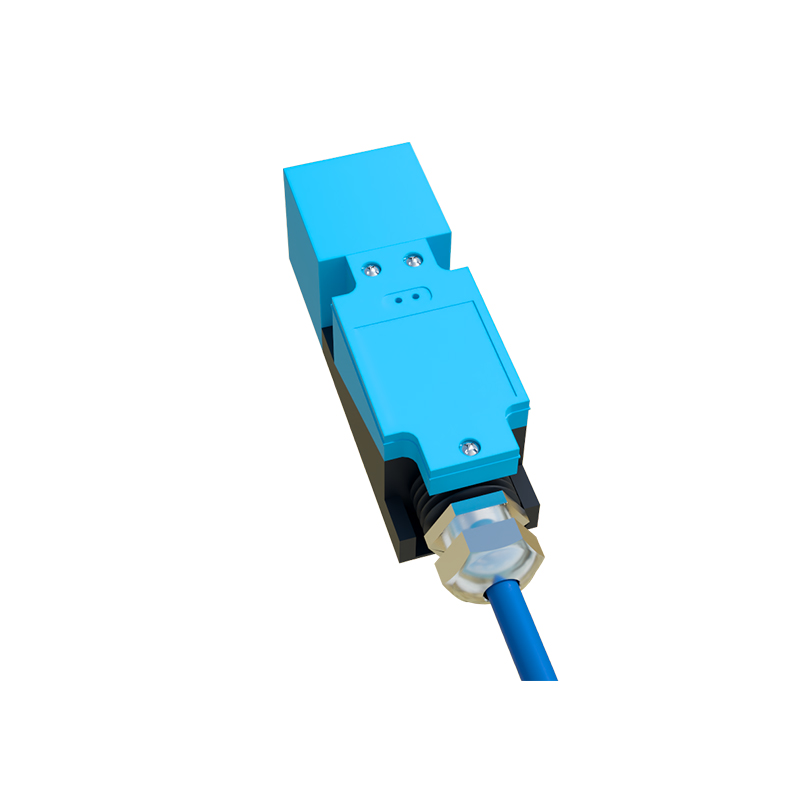
Environmental conditions form the third critical influence. Temperature fluctuations can affect the electronic components and, in ultrasonic sensors, the speed of sound. Contaminants like dust, oil, or moisture can coat the sensor face, attenuating signals, particularly for optical and capacitive types. Electrical noise in industrial environments can also interfere with sensor signals, potentially causing false triggers or reduced sensitivity.
A fundamental principle often overlooked is the concept of derating or safety margin. It is a standard and critical practice never to operate a sensor at its absolute maximum nominal distance. Engineers apply a derating factor, typically 70-80% of the nominal Sn, to ensure reliable operation despite supply voltage tolerances, part-to-part variations, temperature effects, and aging. For example, a sensor with a nominal Sn of 10 mm would typically be used for applications requiring a detection distance of 7-8 mm. This built-in margin prevents intermittent operation and system failures.
Calibration and setup are practical steps to optimize performance. Many modern sensors feature potentiometers or teach-in buttons that allow users to set the sensitivity threshold for a specific target at a specific distance. This is especially useful for capacitive and ultrasonic sensors dealing with varying target materials or complex backgrounds. Always refer to the manufacturer's datasheet, which provides detailed graphs showing the relationship between detection distance, target size, and target material.
In application, choosing the correct detection distance involves careful system design. Consider the required mechanical clearance: a sensor with a longer range than necessary might detect unintended objects. For high-speed counting on a conveyor, a shorter, more precise range might be needed to avoid double-counting. In harsh environments, selecting a sensor with a generously rated longer range and then derating it provides a buffer against performance degradation over time.
In conclusion, the detection distance of a proximity sensor is a deceptively simple specification governed by a complex interplay of technology, target properties, and environment. Successful implementation hinges on understanding these factors, rigorously applying derating principles, and meticulously following manufacturer guidelines. By doing so, designers and engineers can ensure the silent, reliable operation that makes automated systems possible.