Introduction to Photoelectric Sensing Technology
Photoelectric sensors are versatile devices that use light to detect the presence, absence, or distance of an object. They operate by emitting a beam of light, typically from an LED or laser diode, and then analyzing the properties of the light that is either reflected back to the sensor or interrupted by the target object. This fundamental principle allows for non-contact detection, making them ideal for applications where physical contact could damage the product or the sensor itself. Their reliability, fast response times, and ability to sense a wide variety of materials—from metals and plastics to glass and liquids—have cemented their role as a cornerstone in industrial automation, packaging, material handling, and safety systems. The core components include an emitter, a receiver, and associated control circuitry that interprets the light signal to produce a usable output.
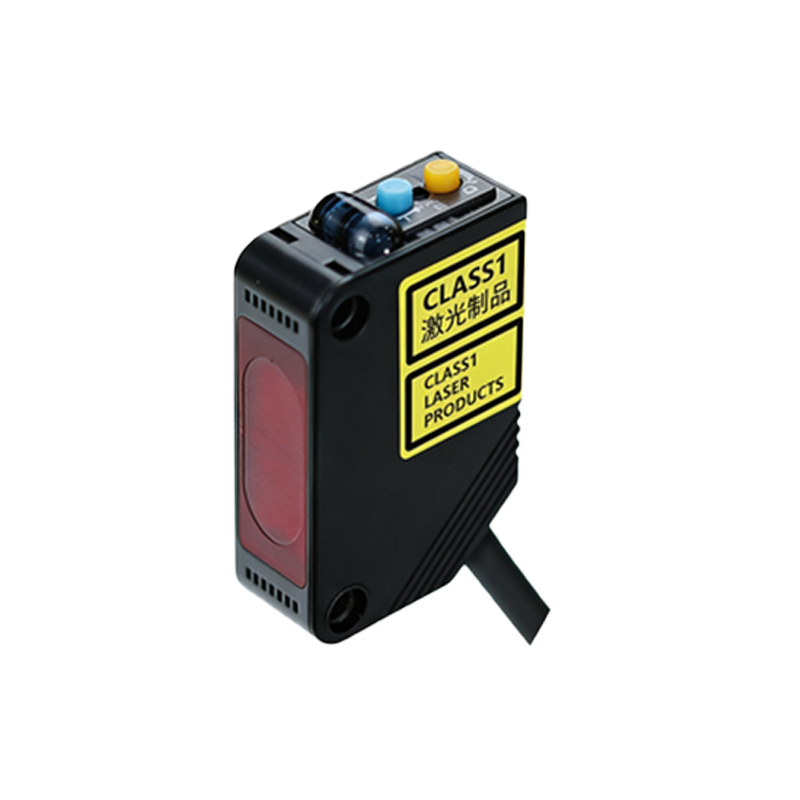
Through-Beam Sensors
Through-beam sensors, also known as opposed-mode sensors, consist of two separate units: a transmitter and a receiver placed directly opposite each other. The transmitter continuously emits a light beam, which is received by the counterpart unit. Detection occurs when an object passes between the two, completely interrupting the beam. This configuration offers the longest sensing range and highest reliability among photoelectric types, as it is largely immune to factors like target color, reflectivity, or surface finish. It is exceptionally effective in dirty environments or where precise detection is critical, such as in object counting on high-speed conveyors, break detection in material webs, or safety light curtains. The primary drawback is the need for precise alignment and wiring for two separate devices.
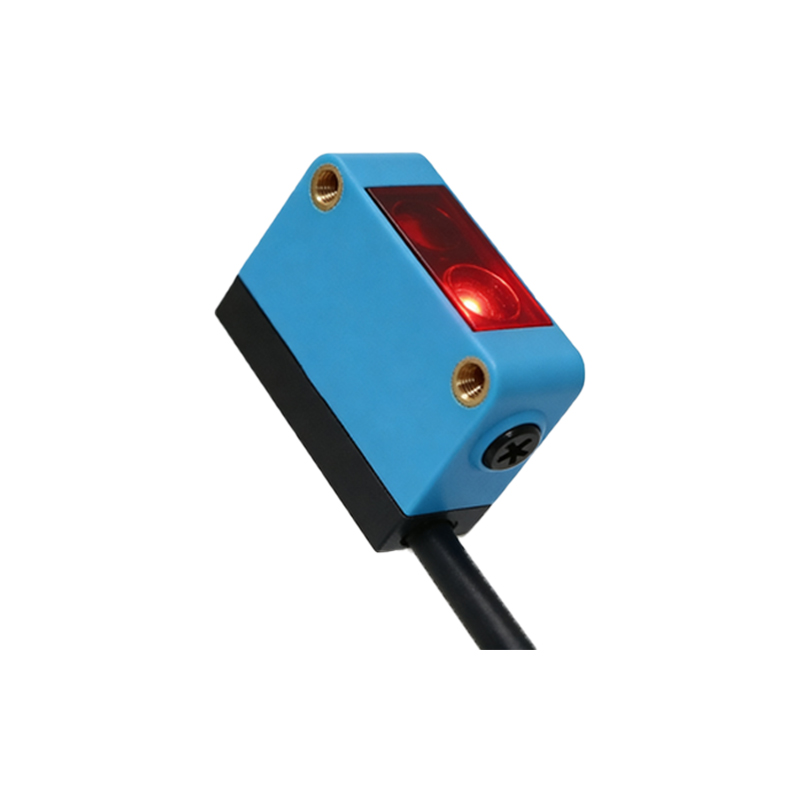
Retroreflective Sensors
Retroreflective sensors house both the emitter and receiver in a single housing. They operate by directing the emitted light towards a specialized reflector, often a corner-cube or tape, which reflects the beam directly back to the receiver. An object is detected when it blocks this reflected beam. This design simplifies installation compared to through-beam sensors, as only one device needs wiring and alignment is with a passive reflector. They offer a good balance of sensing distance and cost-effectiveness. A key feature is the use of polarized filters to prevent false triggers from shiny objects; the reflector rotates the light's polarization, which the sensor recognizes, while light bouncing off a glossy object does not undergo this change and is ignored.
Diffuse Reflective Sensors
Diffuse reflective sensors, or proximity-mode sensors, also integrate the emitter and receiver into one unit. However, they detect objects based on the diffuse reflection of light from the target's surface itself. The sensor emits light, and the receiver detects the portion that scatters back. Detection is highly dependent on the object's size, color, and texture—light-colored, matte surfaces are easier to detect than dark, shiny, or absorbent ones. Sensing ranges are typically shorter than through-beam or retroreflective types. These sensors are ideal for applications where mounting a reflector is impractical, such as detecting objects on a conveyor without a clear background, checking fill levels in non-transparent containers, or as a non-contact limit switch. Advanced versions with background suppression or fixed-field technology can minimize interference from objects beyond the set sensing point.
Specialized Photoelectric Sensor Variants
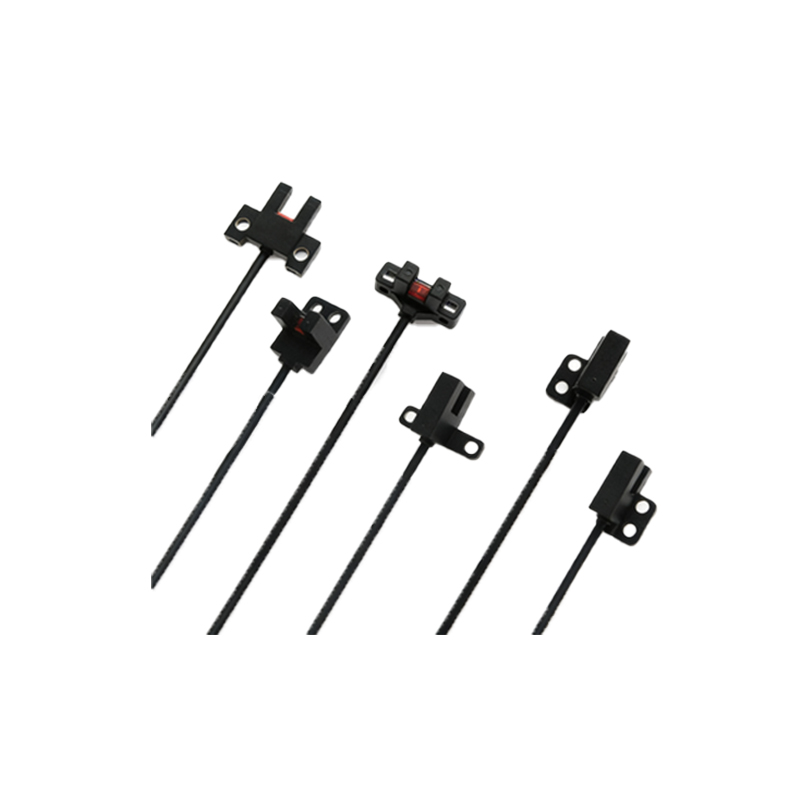
Beyond the three main types, specialized sensors address niche requirements. Fiber optic photoelectric sensors use flexible light guides to deliver light to and from hard-to-reach, hot, or hazardous areas, with the amplifier unit placed remotely. Color sensors differentiate between colors by analyzing the reflected light's wavelength. Luminescence sensors detect the presence of materials that glow under UV light. Contrast sensors are used in printing and labeling to detect marks or differences in surface contrast. Distance measuring sensors, often using laser triangulation or time-of-flight principles, provide precise analog or digital distance values rather than a simple on/off switch, crucial for positioning and dimension checking.
Key Selection Criteria for Applications
Selecting the correct photoelectric sensor requires careful analysis of the application. First, determine the sensing mode: through-beam for maximum reliability, retroreflective for ease of installation, or diffuse for direct detection. Next, consider the sensing range required and the properties of the target (size, material, color, surface). Environmental factors are critical; assess the presence of dust, moisture, vibration, ambient light, and temperature extremes, which dictate the required ingress protection (IP) rating and housing material. The output type (PNP/NPN, analog, IO-Link) must be compatible with the control system. Finally, consider electrical requirements, mounting constraints, and whether specialized features like teach-in functionality or built-in timers are necessary for the task.
Conclusion and Industry Outlook
Photoelectric sensors are indispensable tools in modern industrial automation, offering solutions from simple presence detection to complex measurement tasks. The choice between through-beam, retroreflective, and diffuse reflective types forms the foundation of most applications, with specialized variants pushing the boundaries of what is possible. As Industry 4.0 and smart factory concepts evolve, photoelectric sensors are becoming more intelligent, with integrated diagnostics, networking capabilities via IO-Link, and enhanced resistance to harsh conditions. Understanding their operating principles and selection criteria is essential for engineers to design robust, efficient, and future-proof automated systems that enhance productivity and safety.