Understanding Proximity Sensor Fundamentals
Proximity sensors are indispensable components in modern industrial automation, providing non-contact detection of objects. Their primary function is to detect the presence or absence of an object within a specific sensing range without physical contact. This capability is crucial for applications requiring high-speed operation, harsh environments, or where contact could damage the object or sensor. The core technologies include inductive, capacitive, ultrasonic, and photoelectric sensors. Inductive sensors detect metallic objects, capacitive sensors can detect both metallic and non-metallic materials, ultrasonic sensors use sound waves for detection, and photoelectric sensors utilize light beams. Selecting the right technology is the first critical step before even considering a brand, as the application's specific requirements—target material, sensing distance, environmental conditions (like dust, moisture, or temperature extremes), and required output type—will dictate the most suitable sensor type.
Key Criteria for Evaluating Proximity Sensor Brands
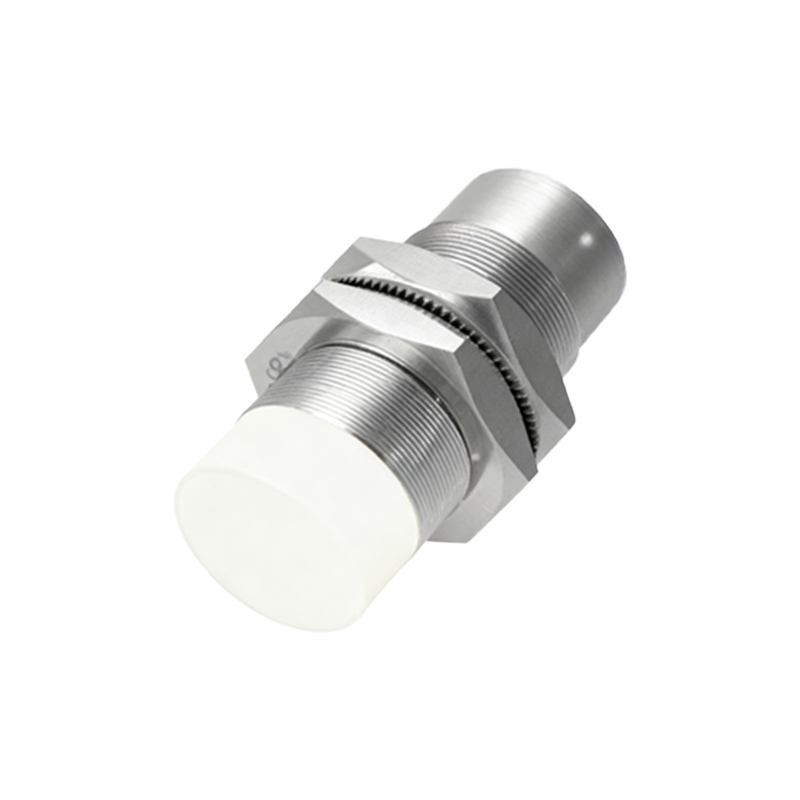
When assessing different proximity sensor manufacturers, several technical and commercial factors must be weighed. First, consider the brand's product range and specialization. Does the manufacturer offer a comprehensive portfolio covering all major sensing technologies, or do they excel in a specific niche, such as high-precision inductive sensors or ruggedized models for heavy industry? Second, evaluate the technical specifications rigorously. Look beyond the basic sensing distance; examine parameters like repeat accuracy, response frequency, housing material (e.g., stainless steel vs. PBT plastic), ingress protection (IP) rating, and temperature tolerance. Third, assess the brand's global support network, availability of technical documentation, and ease of sourcing replacement parts. A brand with a strong distribution and support channel can significantly reduce machine downtime.
Analysis of Leading Industrial Sensor Manufacturers
The market for proximity sensors is dominated by several established global players, each with distinct strengths. Brands like Siemens, Omron, and Schneider Electric are renowned for their system integration capabilities, offering sensors that seamlessly communicate within their broader ecosystem of PLCs and drives. This can simplify programming and diagnostics. On the other hand, specialists like Pepperl+Fuchs and Sick AG are often praised for their innovation in sensing technology, offering extremely robust sensors with high immunity to electromagnetic interference and exceptional performance in challenging environments. Balluff and Turck are recognized for their extensive ranges of standardized and specialized housings and connectors, providing great flexibility for mechanical integration. A newer trend is the rise of brands offering smart sensors with IO-Link communication, which provides detailed diagnostic data and parameterization capabilities, adding a layer of predictive maintenance.
The Importance of Reliability and Durability
In industrial settings, sensor failure can lead to costly production stoppages. Therefore, the proven reliability and mean time between failures (MTBF) of a brand's products are paramount. Leading brands invest heavily in quality control, component sourcing, and rigorous testing (e.g., shock, vibration, and long-term cycle testing). Durability is not just about the housing; it encompasses the internal electronics' resilience to voltage spikes, electrical noise, and temperature cycling. Reviewing third-party case studies, industry testimonials, and the brand's warranty policy can offer insights into real-world performance. Often, a marginally higher initial cost for a sensor from a reputable brand is justified by a vastly longer service life and reduced total cost of ownership due to fewer replacements and less downtime.
Balancing Performance with Total Cost of Ownership
The purchase price of a proximity sensor is only a fraction of its total cost. A holistic view of Total Cost of Ownership (TCO) is essential. This includes installation costs, maintenance requirements, energy consumption, and the potential cost of failures. A cheaper sensor might require more frequent calibration, have a shorter lifespan in a demanding application, or lack diagnostic features that could prevent a minor issue from escalating into a major line stoppage. Brands that offer advanced features like short-circuit protection, overload protection, and clear status indication LEDs contribute to lower TCO by enhancing operational safety and simplifying troubleshooting. Furthermore, consider the logistical cost: a brand with reliable and fast local stock availability can be more valuable than a slightly cheaper alternative with long lead times.
Making the Final Brand Selection Decision
The final choice is rarely about finding a single "best" brand universally, but rather identifying the "best fit" for your specific application, operational philosophy, and budget. Create a decision matrix. List your non-negotiable technical requirements (sensing technology, size, output, IP rating). Then, score potential brands against additional weighted criteria such as technical support quality, local availability, compatibility with existing machinery, TCO analysis, and the brand's reputation in your specific industry sector (e.g., automotive, food & beverage, packaging). Pilot testing a small batch of sensors from two shortlisted