Introduction to Proximity Sensors in Plastic Detection
Proximity sensors are indispensable components in modern industrial automation, designed to detect the presence or absence of objects without physical contact. When it comes to plastic detection, these sensors face unique challenges due to the material's diverse properties, such as transparency, color, and composition. Unlike metals, plastics often have low dielectric constants and varying levels of conductivity, requiring specialized sensor technologies. Industries ranging from packaging and automotive to recycling and manufacturing rely on precise plastic detection to ensure quality control, sorting efficiency, and operational safety. This article delves into the types, working principles, and best practices for using proximity sensors in plastic detection applications.
Key Technologies for Detecting Plastic Materials
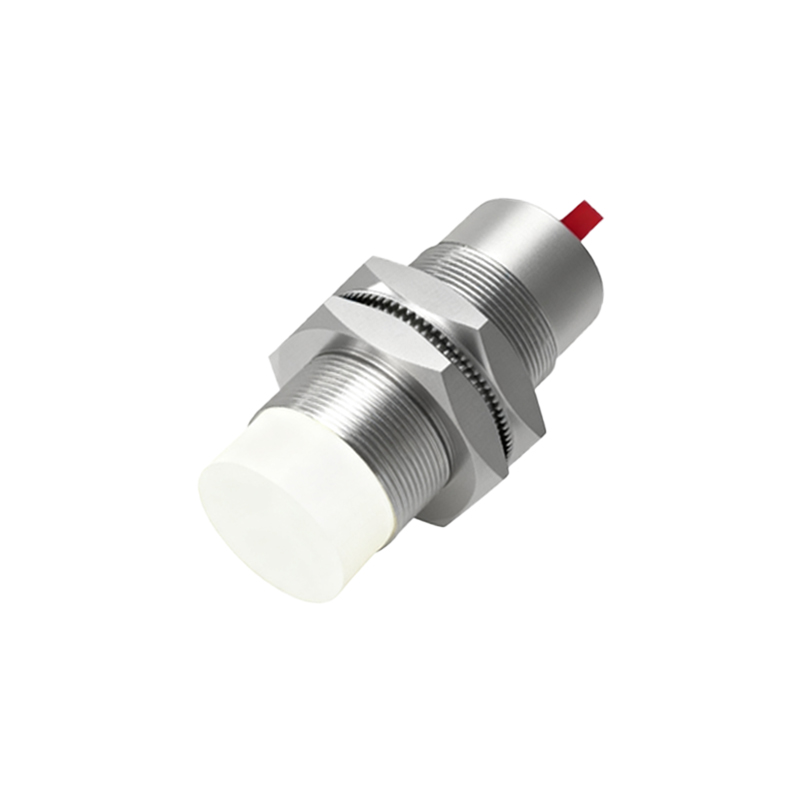
Several proximity sensor technologies are effective for plastic detection, each with distinct advantages. Capacitive proximity sensors are widely used because they can detect non-metallic materials by measuring changes in capacitance caused by the plastic's dielectric properties. These sensors are ideal for detecting plastics like PVC, polyethylene, and ABS, even through non-metallic containers. Photoelectric sensors, including diffuse, retro-reflective, and through-beam types, utilize light beams to identify plastics based on reflectivity or opacity. They excel in detecting transparent or colored plastics in high-speed applications. Ultrasonic sensors use sound waves to measure distance and can detect various plastics regardless of color or transparency, making them suitable for complex environments. Inductive sensors, while primarily for metals, can be adapted for plastics containing metallic fillers.
Factors Influencing Sensor Selection and Performance
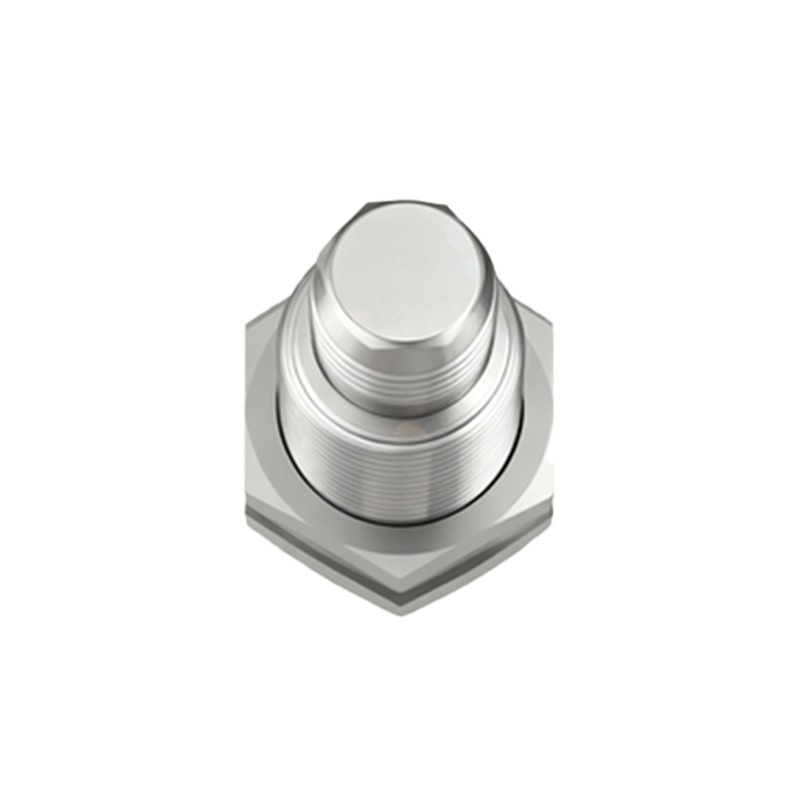
Selecting the right proximity sensor for plastic detection depends on multiple factors. Material characteristics, such as plastic type, thickness, color, and surface finish, directly impact sensor accuracy. For instance, transparent plastics may require photoelectric sensors with polarized filters to reduce glare. Environmental conditions like temperature, humidity, and exposure to dust or chemicals can affect sensor durability and reliability. Mounting distance and sensing range must be calibrated to avoid false triggers, especially in conveyor systems. Response time is critical in high-speed production lines, where sensors must detect plastics rapidly without delays. Cost considerations also play a role, with capacitive sensors often being more affordable for general-purpose use, while ultrasonic sensors offer versatility at a higher price point.
Applications in Industrial and Recycling Sectors
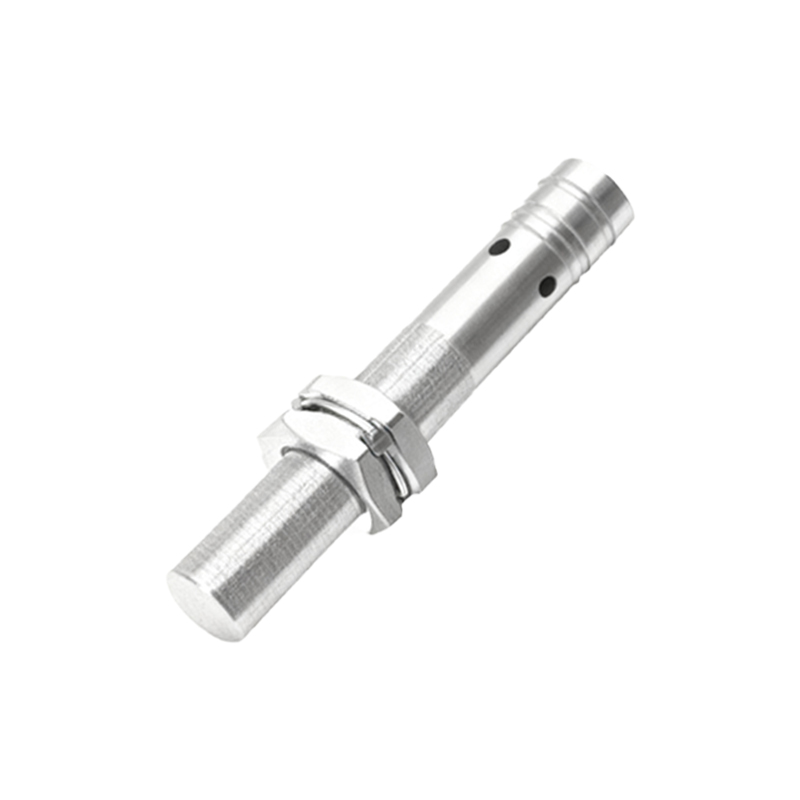
Proximity sensors for plastic detection are vital across numerous industries. In packaging, they ensure correct positioning of plastic bottles, films, and containers during filling and sealing processes. Automotive manufacturing uses these sensors to verify the presence of plastic components like dashboards or bumpers in assembly lines. Recycling plants leverage them to sort plastics by type, improving efficiency and purity in material recovery. For example, capacitive sensors can distinguish between different plastic polymers on sorting belts. In food and pharmaceutical sectors, sensors detect plastic packaging to maintain hygiene and compliance. Additionally, they enhance safety by monitoring plastic parts in machinery to prevent jams or malfunctions.
Installation Tips and Calibration Best Practices
Proper installation and calibration are essential for optimal sensor performance. Mount sensors perpendicular to the target plastic surface to maximize detection accuracy, avoiding angled placements that can reduce signal strength. Ensure a stable power supply and shield sensors from electrical noise, especially in facilities with heavy machinery. For capacitive sensors, adjust sensitivity settings to account for the plastic's dielectric constant, minimizing interference from background materials. Photoelectric sensors may require alignment checks and lens cleaning to maintain beam integrity. Regular maintenance, including testing with sample plastics, helps prevent drift over time. Calibration should be performed under actual operating conditions, considering factors like ambient light or temperature changes.
Future Trends and Innovations in Plastic Detection
The future of proximity sensors for plastic detection is shaped by advancements in smart technology and sustainability. IoT-enabled sensors with data logging capabilities allow real-time monitoring and predictive maintenance, reducing downtime in industrial settings. Miniaturization trends are leading to smaller, more versatile sensors that fit into compact spaces. Enhanced algorithms and AI integration improve detection accuracy for mixed or contaminated plastics, supporting circular economy goals in recycling. Developments in multi-sensor systems combine capacitive, photoelectric, and ultrasonic technologies for comprehensive material analysis. As industries prioritize efficiency and environmental responsibility, these innovations will drive wider adoption of proximity sensors in plastic-related applications.