Introduction to Through-Beam Photoelectric Sensors
Through-beam photoelectric sensors, often considered the most robust and reliable type in the photoelectric sensing family, operate on a fundamental principle of light transmission and reception. The system consists of two separate, opposing units: a transmitter and a receiver. The transmitter emits a continuous or modulated beam of light, typically infrared, visible red, or laser light. The receiver, positioned directly in line with the transmitter, is dedicated to detecting this specific light beam. An object is detected when it physically interrupts the light path between these two units. This simple yet effective "light-on" or "beam-break" principle provides several inherent advantages, including long sensing ranges, high positional accuracy, and exceptional reliability in detecting virtually any object, regardless of its color, surface finish, or material composition.
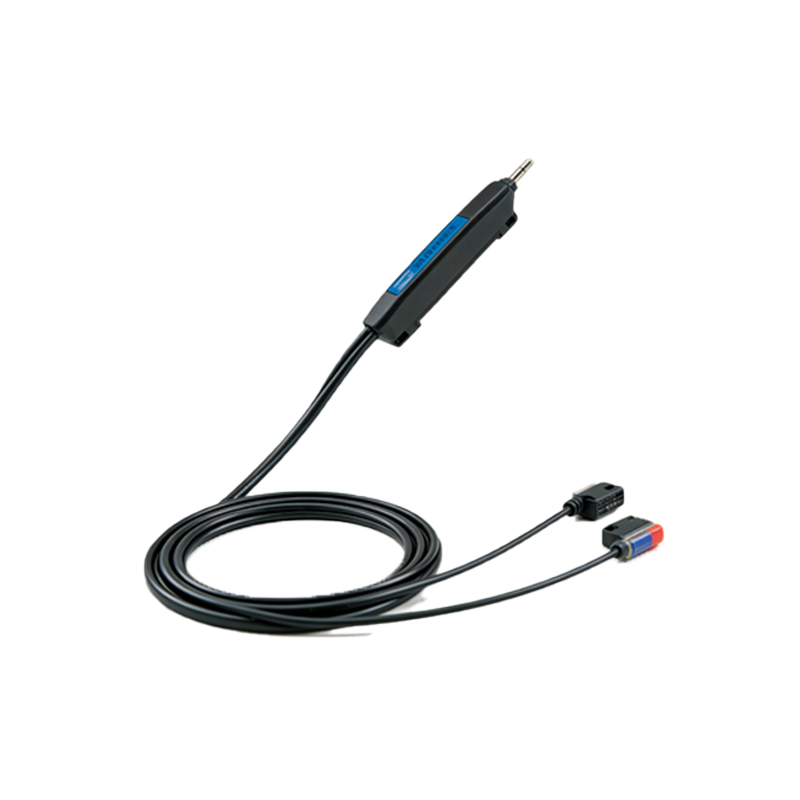
Core Operating Principle and Components
The effectiveness of a through-beam sensor hinges on its core components. The transmitter houses a light-emitting diode (LED) or a laser diode. LEDs are common for general-purpose applications, offering good range and durability. Laser diodes provide a highly collimated, precise beam ideal for detecting small objects or for use in environments with space constraints. The receiver contains a phototransistor or photodiode tuned to the wavelength of the emitted light. Advanced models incorporate modulation technology, where the emitted light is pulsed at a specific high frequency. The receiver is then designed to recognize only this modulated signal, effectively filtering out ambient light from factory lighting or sunlight, which dramatically enhances noise immunity and operational stability in challenging industrial environments.
Key Advantages and Performance Characteristics
The primary strength of the through-beam configuration is its superior sensing range, which can extend up to several tens of meters for laser types, far exceeding other modes like retro-reflective or diffuse sensors. Because the receiver detects the full strength of the transmitted beam directly, it offers a very high signal-to-noise ratio. This results in consistent detection of objects with low reflectivity, such as black rubber, dark plastics, or transparent materials like glass and clear films, which often pose challenges for other sensor types. Furthermore, the detection is largely independent of the object's angle, color, or surface texture, making it a versatile choice for unpredictable product streams.
Common Industrial Applications and Use Cases
Through-beam sensors are workhorses across automation and manufacturing. A classic application is in conveyor systems for object counting, where sensors mounted on either side of the belt detect products as they pass, ensuring accurate inventory and process control. They are indispensable in packaging machinery for detecting the presence or absence of products in bottles, cans, or boxes. In material handling, they serve as safety curtains or part presence detectors at the entrance and exit of automated guided vehicles (AGVs) and robotic cells. Their long range also makes them suitable for large-scale applications like vehicle detection in parking garages, door control systems, and even in forestry for measuring log diameters.
Critical Considerations for Installation and Alignment
While highly effective, through-beam sensors require precise mechanical alignment during installation. The transmitter and receiver must be carefully positioned so that the light beam strikes the receiver's detection element squarely. Misalignment can lead to reduced sensing performance or complete failure. Many modern sensors feature built-in alignment aids, such as visible red beams or alignment status LEDs that indicate signal strength. For long-range installations or in environments with vibration, sturdy mounting brackets and periodic alignment checks are recommended. Additionally, the mounting structure must be rigid to prevent drift over time due to thermal expansion or mechanical shock.
Environmental Challenges and Protective Measures
Industrial environments present numerous challenges, including dust, dirt, fog, steam, and temperature extremes. Contaminants accumulating on the sensor lenses can attenuate the light beam, potentially causing false triggers or missed detections. Selecting sensors with appropriate Ingress Protection (IP) ratings, such as IP67 or IP69K, is crucial for wash-down or dusty environments. For applications with heavy particulate matter, air purge fittings can be installed to keep a constant stream of clean air flowing over the lenses. In outdoor applications, sunlight immunity via modulation and protective housings to guard against weather elements are mandatory specifications to evaluate.
Selecting the Right Through-Beam Sensor
Choosing the optimal sensor requires a systematic analysis of the application parameters. Key factors include the required sensing distance, the size and nature of the target object, the required response speed, and the environmental conditions. For small object detection, a sensor with a focused laser beam is preferable. For general-purpose long-range detection, a high-power LED type may be sufficient. Electrical output type (NPN/PNP, NO/NC), connection method (pre-wired cable or connector), and housing material (metal or plastic) are also critical decisions based on the control system and physical demands of the installation site. Consulting manufacturer datasheets for precise specifications on sensing distance, light source, and environmental ratings is an essential step in the selection process.
Comparison with Other Photoelectric Sensing Modes
It is instructive to contrast through-beam sensors with retro-reflective and diffuse (proximity) sensors. Retro-reflective sensors use a single unit and a reflector, simplifying alignment but limiting effective range and potentially causing false triggers from shiny objects. Diffuse sensors detect light reflected directly from the target, offering easy one-sided installation but with shorter ranges and sensitivity to object color and surface. The through-beam method sacrifices installation convenience (requiring two units and wiring) for maximum performance in range, accuracy, and reliability. Understanding this trade-off is vital for selecting the correct sensing solution for a given automation challenge.
Maintenance and Troubleshooting Tips
Regular maintenance ensures long-term reliability. This primarily involves keeping the transmitter and receiver lenses clean using appropriate cleaning materials. Periodically verifying the alignment and signal strength using the sensor's indicators is good practice. Common troubleshooting issues include no output upon detection (check alignment, power, and lens cleanliness), unstable operation (check for environmental interference like ambient light or vibration), and shortened sensing range (often caused by lens contamination or aging light source). Most sensors have diagnostic LEDs that greatly aid in pinpointing these issues quickly, minimizing machine downtime.