Introduction to AN6X Proximity Sensors
AN6X proximity sensors represent a significant advancement in industrial sensing technology, designed to detect the presence or absence of objects without physical contact. These sensors operate on the principle of electromagnetic field generation, making them ideal for harsh environments where durability and reliability are paramount. Widely used in manufacturing, automotive, and packaging industries, AN6X sensors offer high precision and long service life, contributing to enhanced operational efficiency and reduced maintenance costs. Their robust construction ensures consistent performance even in conditions with dust, moisture, or extreme temperatures, making them a preferred choice for engineers seeking dependable automation solutions.
Key Features and Technical Specifications
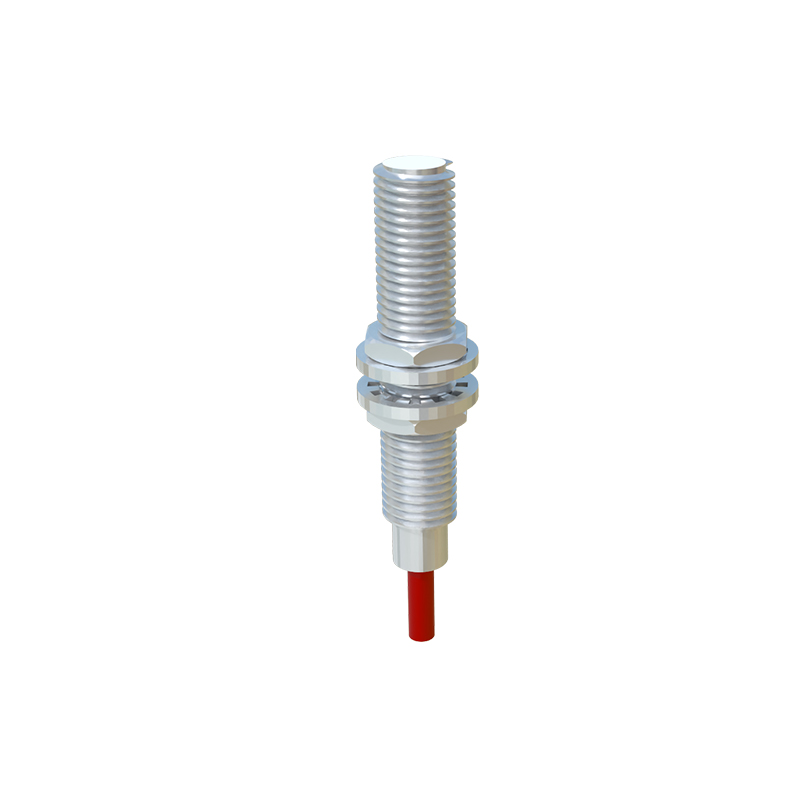
The AN6X series boasts several standout features that set it apart from conventional proximity sensors. With a sensing range of up to 15mm, these sensors provide accurate detection for various materials, including metals and non-metals. They operate on a supply voltage of 10-30V DC, ensuring compatibility with most industrial power systems. The IP67 rating guarantees protection against dust and water ingress, allowing for installation in challenging environments. Additionally, AN6X sensors incorporate LED indicators for easy status monitoring and feature short-circuit and reverse polarity protection, minimizing downtime and safeguarding connected equipment. Their compact design facilitates seamless integration into existing machinery without requiring extensive modifications.
Applications in Industrial Automation
In industrial settings, AN6X proximity sensors play a crucial role in automating processes and improving safety. Common applications include position sensing on conveyor belts, where they detect items for sorting or counting, and machine tool monitoring, where they ensure precise component alignment. In automotive assembly lines, these sensors verify the presence of parts like bolts or panels, preventing errors in production. They are also employed in packaging machinery to control fill levels and in robotic systems for obstacle detection, enhancing operational accuracy. By enabling non-contact sensing, AN6X sensors reduce wear and tear, leading to lower maintenance needs and increased productivity across diverse sectors.
Installation and Calibration Best Practices
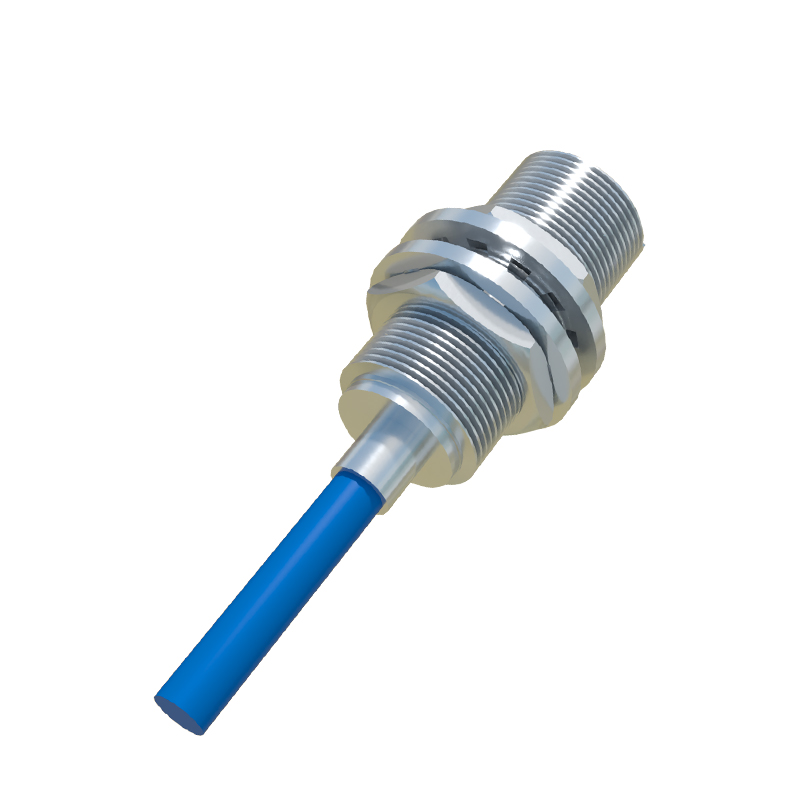
Proper installation is essential for maximizing the performance of AN6X proximity sensors. Engineers should mount the sensor perpendicular to the target surface at the recommended distance, avoiding obstructions that could interfere with the electromagnetic field. It is advisable to use shielded cables to minimize electrical noise and ensure stable signal transmission. During calibration, adjust the sensitivity settings based on the target material and environmental conditions, conducting tests with actual objects to verify detection accuracy. Regular checks for alignment and cleanliness can prevent false triggers, while following manufacturer guidelines for wiring and voltage requirements helps avoid operational issues. These practices ensure reliable sensor function and extend operational lifespan.
Advantages Over Traditional Sensing Methods
Compared to mechanical switches or photoelectric sensors, AN6X proximity sensors offer distinct advantages in industrial applications. Their non-contact nature eliminates physical wear, resulting in longer durability and reduced replacement frequency. They provide faster response times, often in milliseconds, which is critical for high-speed automation processes. Unlike optical sensors, AN6X models are unaffected by ambient light or transparent materials, ensuring consistent performance in varied lighting conditions. Their immunity to dust and moisture makes them suitable for outdoor or dirty environments, where other sensors might fail. By integrating these sensors, industries can achieve higher precision, lower energy consumption, and improved safety standards.
Maintenance and Troubleshooting Tips
To maintain optimal performance, periodic inspection of AN6X proximity sensors is recommended. Clean the sensing face regularly to remove debris that could impair detection, and check for loose connections or cable damage. If a sensor fails to detect objects, verify the power supply and wiring, and ensure the target is within the specified range. Common issues like false signals may stem from electrical interference, which can be mitigated by relocating the sensor or adding ferrite cores. Consulting the sensor’s manual for error codes and using diagnostic tools can aid in quick troubleshooting. Implementing a preventive maintenance schedule helps identify potential problems early, reducing unplanned downtime and sustaining efficient operations.
Future Trends and Innovations
The evolution of AN6X proximity sensors is aligned with Industry 4.0 trends, focusing on smart connectivity and enhanced functionality. Future models may incorporate IoT capabilities, allowing for real-time data monitoring and predictive maintenance via wireless networks. Advances in materials science could lead to sensors with extended ranges or higher temperature tolerances, expanding their applicability in sectors like aerospace or energy. Integration with AI systems might enable adaptive sensing, where sensors adjust parameters autonomously based on environmental changes. As industries prioritize automation and efficiency, AN6X sensors are poised to become more versatile, contributing to smarter, more resilient manufacturing ecosystems worldwide.