Introduction to Photoelectric Sensor Pagination
In the high-speed, precision-driven world of modern manufacturing and print finishing, the reliable separation and counting of sheets—be they paper, plastic, film, or metal—is a fundamental process. This is where photoelectric sensor pagination machines have become indispensable. Unlike mechanical methods that rely on physical contact, these systems utilize advanced photoelectric sensing technology to detect, count, and separate individual sheets with remarkable accuracy and speed. By emitting a beam of light, typically infrared, visible red, or laser, and analyzing the reflected or transmitted signal, these sensors can determine the presence, absence, or thickness of a material without ever touching it. This non-contact operation is the cornerstone of their reliability, eliminating wear and tear, reducing jams, and ensuring consistent performance even with delicate or sensitive materials. From large-scale printing presses to packaging lines and automated assembly systems, photoelectric pagination is a silent yet critical facilitator of industrial throughput.
Core Components and Operational Principle
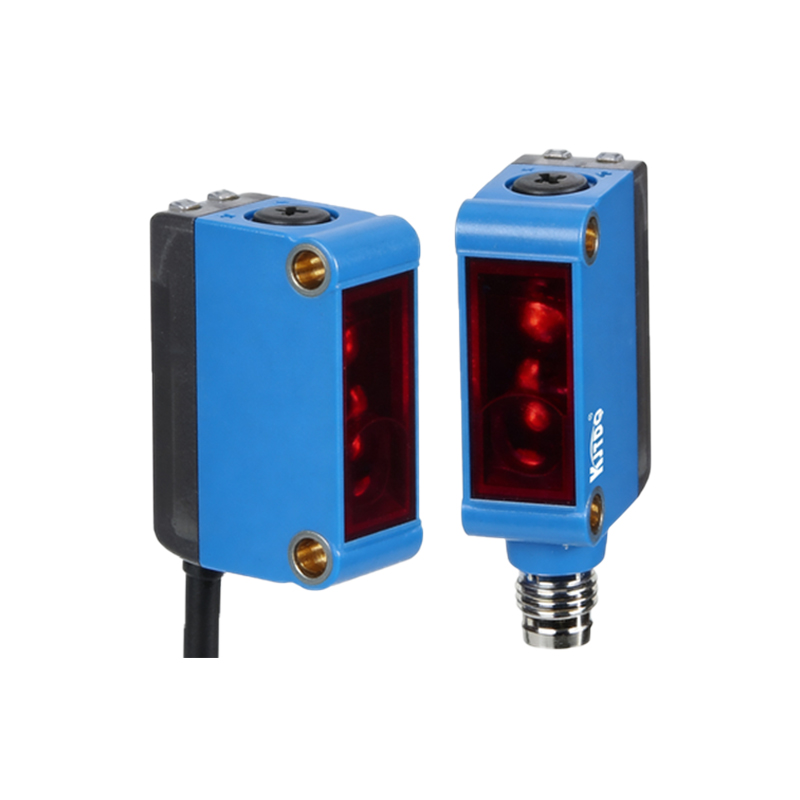
A standard photoelectric sensor pagination system comprises several key components working in concert. The heart of the system is the photoelectric sensor itself, which comes in three primary configurations: through-beam, retro-reflective, and diffuse reflective. Through-beam sensors, with a separate emitter and receiver, offer the longest sensing range and highest reliability for clear gap detection between sheets. Retro-reflective types use a single unit and a reflector, suitable for detecting opaque materials. Diffuse reflective sensors detect the light reflected directly from the target material, ideal for sensing at close ranges and distinguishing subtle differences. This sensor is integrated into a pagination machine that includes a feeding mechanism, a separation unit (often using friction or air blast), and a sophisticated control system. The operational principle is elegantly simple: the sensor's beam is directed at the sheet path. As a sheet passes, it interrupts or reflects the beam, generating a precise electrical pulse. The machine's programmable logic controller (PLC) counts these pulses. When the pre-set count for a batch or "pack" is reached, the controller triggers the separation mechanism to create a gap or initiate a stacking cycle, thereby "paginating" the continuous stream into discrete, countable units.
Key Advantages Over Traditional Methods
The adoption of photoelectric sensor technology for pagination delivers a multitude of operational advantages that directly impact the bottom line. First and foremost is unparalleled accuracy. Mechanical counters or contact sensors can miscount due to double feeds, slippage, or wear. Photoelectric sensors, with their high-resolution detection, virtually eliminate counting errors, ensuring every batch is exact. This leads to significant reductions in material waste and reprocessing costs. Secondly, the non-contact nature ensures zero damage to the product surface, which is crucial for high-gloss prints, coated materials, or fragile substrates. Thirdly, these systems enable vastly higher operating speeds. Capable of detecting objects moving at several meters per second, they keep pace with the fastest production lines without becoming a bottleneck. Furthermore, their versatility is a major asset. With adjustable sensitivity and different sensing modes, a single machine can be quickly reconfigured to handle different sheet sizes, colors, and material types, minimizing downtime during changeovers. Finally, the integration with digital control systems allows for seamless data logging, remote monitoring, and predictive maintenance alerts, pushing pagination from a simple mechanical task into the realm of Industry 4.0 smart manufacturing.
Critical Applications Across Industries
The utility of photoelectric sensor pagination machines spans a diverse range of sectors. In the printing and publishing industry, they are essential for collating signatures, counting stacks of books, and ensuring precise batch sizes for binding and trimming operations. The packaging industry relies on them to separate and count cardboard blanks, plastic films, and labels before filling and sealing processes. Within the converting industry, which handles materials like paperboard, foil, and non-wovens, these machines ensure accurate length measurement and sheet separation for slitting and rewinding. Even in discrete manufacturing, such as electronics, they are used to count and separate thin metal shims, insulating films, or PCB panels. Any process that involves the handling of sheet-based materials in a continuous roll or stream is a potential application. Their ability to work in challenging environments—compensating for dust, ambient light variations, or material transparency with the right sensor choice—makes them robust solutions for real-world factory floors.
Selection Criteria and Integration Considerations
Selecting the optimal photoelectric sensor pagination system requires careful analysis of several parameters. The material characteristics are paramount: its color, reflectivity, transparency, thickness, and surface texture all influence the choice of sensor type (e.g., laser for precise detection of transparent films). The required sensing distance and the physical size of the machine must align with the production line layout. The desired counting speed and batch size dictate the needed response time of the sensor and the processing speed of the PLC. Environmental factors like dust, humidity, vibration, and ambient light cannot be ignored; sensors with robust housings (IP67 ratings are common) and specialized filters are available for harsh conditions. Integration into an existing production line involves not just mechanical fitting but also electrical and network integration. Modern pagination controllers often feature communication protocols like Ethernet/IP, Profinet, or Modbus TCP, allowing them to feed count data directly into a Manufacturing Execution System (MES) or supervisory control system, enabling end-to-end traceability and process optimization.
Future Trends and Technological Evolution
The future of photoelectric sensor pagination is closely tied to broader trends in industrial automation and digitization. Sensor technology itself is advancing, with the development of background suppression sensors that can ignore objects beyond a set distance, and color recognition sensors that can paginate based on specific color marks, adding another layer of intelligence. The integration of vision systems with traditional photoelectric sensors is emerging, allowing for not just presence detection but also verification of print quality, orientation, or barcodes during the pagination process. Furthermore, the rise of Industrial Internet of Things (IIoT) platforms means pagination machines will increasingly offer advanced diagnostics, cloud-based analytics for predictive maintenance, and the ability to receive remote updates and parameter changes. This evolution transforms the pagination machine from a standalone counter into a smart, connected node within a fully integrated, data-rich manufacturing ecosystem, driving efficiencies to unprecedented levels.