Introduction to Magnetic Proximity Sensing
Magnetic proximity sensors represent a cornerstone of modern industrial automation, offering non-contact detection of ferromagnetic objects. Unlike inductive or capacitive sensors, they operate based on the disturbance of a permanent magnetic field. A typical sensor houses a reed switch or a solid-state Hall effect element. When a ferrous target, such as a gear tooth, piston, or machine part, enters the sensor's magnetic field, it triggers a state change in the sensing element, generating a clean electrical signal. This fundamental principle provides exceptional reliability in environments plagued by dust, oil, steam, or non-conductive contaminants that would cripple other sensing technologies. The inherent robustness of the magnetic field interaction forms the foundation upon which high-temperature variants are engineered.
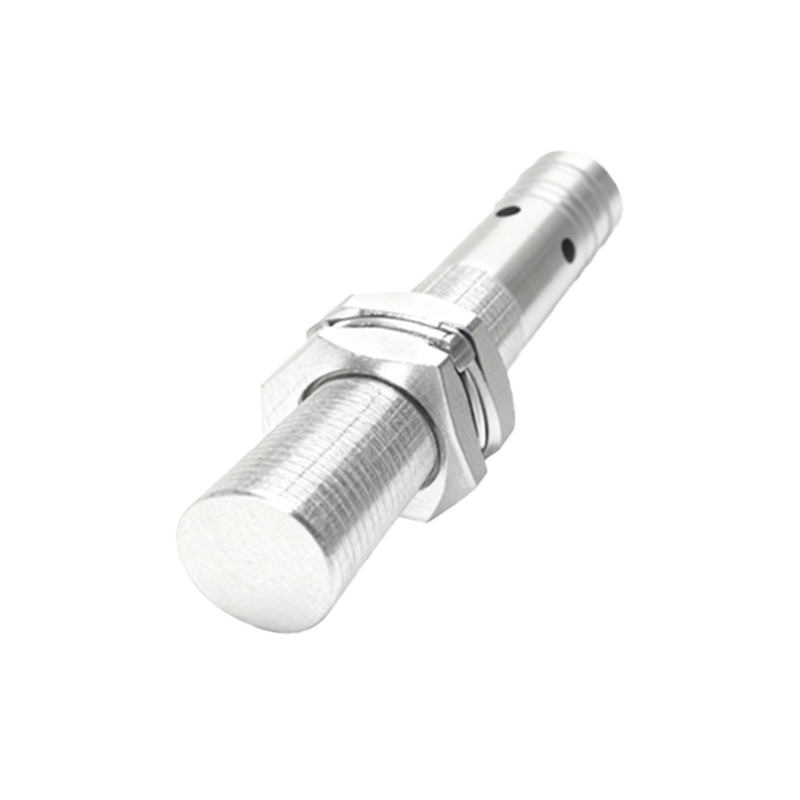
The Imperative for High-Temperature Resilience
Standard magnetic proximity sensors are typically rated for ambient temperatures up to 70-85°C (158-185°F). However, numerous critical industrial processes operate far beyond these limits. Applications such as metal casting, heat treatment furnaces, engine test beds, turbine monitoring, and plastic injection molding expose equipment to sustained or cyclical thermal extremes. In these scenarios, conventional sensors fail due to material degradation, demagnetization of permanent magnets, or electronic component failure. A sensor malfunction in such a high-stakes environment can lead to catastrophic process downtime, safety hazards, and significant financial loss. Therefore, the development of magnetic sensors specifically engineered to withstand temperatures exceeding 125°C, and often reaching 150°C, 200°C, or higher, is not a luxury but an operational necessity.
Core Engineering Challenges and Solutions
Designing a magnetic proximity sensor for high-temperature duty requires a holistic approach addressing every component. The permanent magnet, the heart of the sensor, must be crafted from specialized alloys like Samarium Cobalt (SmCo) or specific grades of Alnico, which resist demagnetization at elevated temperatures far better than common Neodymium Iron Boron (NdFeB) magnets. The sensing element itself, whether a reed switch or a Hall-effect IC, must be selected from high-temperature product families. Reed switches require specific gas mixtures and plating to prevent weld-sticking. Solid-state Hall elements demand semiconductors built on wide-bandgap materials or specifically rated silicon. Encapsulation materials, cable insulation, and housing seals must be composed of high-temperature thermoplastics like PEEK, PPS, or specialized silicones that maintain mechanical integrity and dielectric strength. Thermal management through strategic housing design and thermal barriers is often incorporated to protect the most sensitive electronic components.
Key Performance Parameters and Selection Criteria
Selecting the appropriate high-temperature magnetic sensor necessitates careful evaluation of several key parameters beyond just the maximum temperature rating. The operating temperature range must be considered, ensuring both the sustained maximum and minimum temperatures are within spec. Switching distance, or sensing range, is critical; note that extreme heat can slightly reduce the effective magnetic field strength, potentially affecting the nominal range. The sensor's housing material and ingress protection (IP) rating (e.g., IP67, IP69K) must be compatible with the environment, which may include thermal shock, washdowns, or chemical exposure. Electrical output type (PNP/NPN, NO/NC, analog, or IO-Link) and voltage rating must match the control system. Finally, long-term stability and mean time between failures (MTBF) data under thermal stress are vital indicators of quality and total cost of ownership.
Dominant Applications Across Heavy Industry
The deployment of high-temperature magnetic proximity sensors is widespread in sectors where reliability under duress is paramount. In automotive manufacturing, they monitor piston position in engine test stands and clutch engagement in high-heat drivetrain assemblies. The steel and foundry industry relies on them for position feedback on furnace doors, billet tracking in hot rolling mills, and mold sequencing in casting lines. Energy sector applications include monitoring valve actuators in geothermal plants and sensing blade position in gas turbines. In plastic processing, they detect mold closure and ejector plate position on injection molding machines operating with high-temperature polymers. Each application leverages the sensor's ability to provide precise, maintenance-free feedback where other technologies would falter.
Installation Best Practices and Maintenance
Proper installation is crucial to realizing the full performance and lifespan of a high-temperature magnetic sensor. Mounting must be secure and mechanically stable to withstand vibration, which is often present in hot environments. Adequate clearance from radiant heat sources, such as furnace walls or molten material, should be maintained; using a