Understanding Open Aperture Photoelectric Sensors
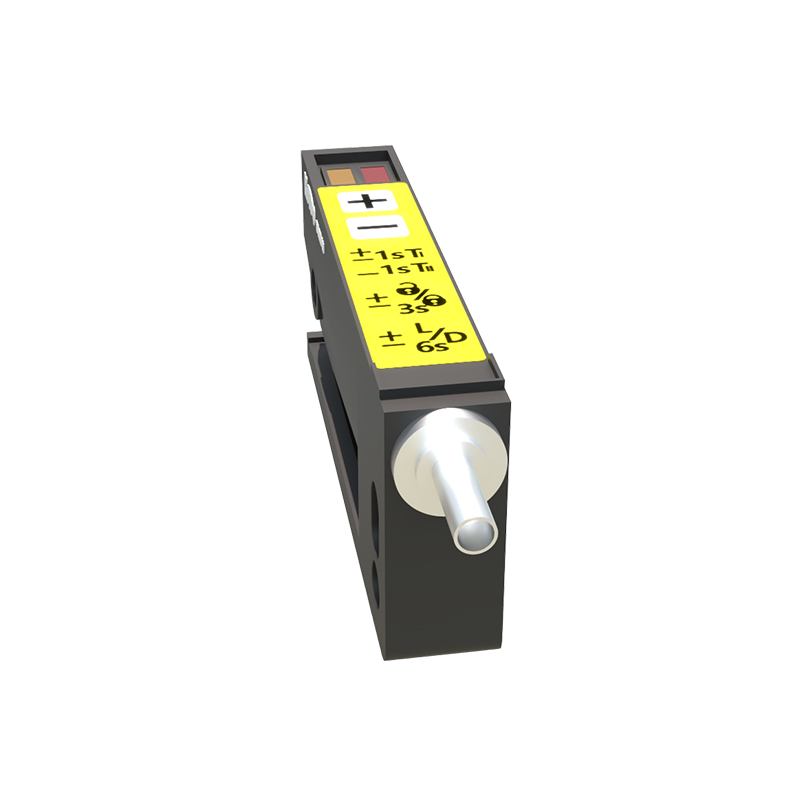
Open aperture photoelectric sensors, also known as fork sensors or U-shaped sensors, are a specialized type of through-beam sensor. They consist of a U-shaped housing that integrates both the transmitter and receiver, facing each other across a fixed gap or "aperture." The key operational principle is simple: an object is detected when it passes through this aperture, breaking the light beam. This design eliminates the need for precise alignment required by separate emitter and receiver units, making installation significantly faster and more reliable in high-vibration or space-constrained environments. Common applications include object counting, edge guiding, break detection, and verifying the presence of components on assembly lines. Their self-contained, pre-aligned nature makes them a preferred choice for repetitive detection tasks where speed and consistency are paramount.
Key Factors Influencing Sensor Pricing
The price of an open aperture sensor is not determined by a single factor but by a combination of technical specifications and build quality. First, the sensing gap or aperture size is a primary driver. Standard sizes (e.g., 10mm, 20mm) are generally more economical, while larger or custom-sized apertures command a higher price. Second, the light source type plays a crucial role. Models using standard infrared LEDs are the most cost-effective. Sensors employing visible red LEDs offer easier beam alignment and carry a moderate premium. The most advanced and expensive variants utilize laser diodes, providing extremely precise detection for minute objects or long-range applications within the gap. Third, performance features such as response speed, sensing accuracy, and environmental ratings (IP67 for dust/water resistance, wider operating temperature ranges) directly impact cost. Finally, additional functionalities like built-in timers, logic functions, or analog outputs will increase the price compared to basic on/off models.
Representative Price Range Overview
The market offers open aperture sensors across a broad spectrum to suit various budgets and needs. It is critical to note that prices are highly dynamic, varying by manufacturer, region, and distributor. The following ranges are illustrative estimates for standard models in moderate quantities. Entry-level, basic infrared sensors with smaller apertures and standard performance can start from approximately $50 to $120. Mid-range sensors, which often feature visible red beams, higher switching frequencies, and robust environmental sealing (IP67), typically fall within the range of $120 to $300. High-end models incorporating laser light sources, ultra-high-speed response (microsecond range), specialized housings for harsh conditions (e.g., chemical resistance), or advanced programmability can range from $300 to $800 or more. Always consult specific suppliers for exact quotations.
Cost vs. Value: Important Selection Criteria
Selecting a sensor based solely on the lowest initial price can lead to higher long-term costs due to failures, downtime, or inaccurate readings. A value-based assessment is essential. Consider the total cost of ownership, which includes purchase price, installation time, maintenance, and potential production losses. A slightly more expensive sensor with a superior ingress protection (IP) rating may prevent costly failures in a washdown environment. Similarly, a model with a precise laser beam might be necessary for detecting thin wires or small gaps, where a cheaper infrared sensor would fail, causing quality issues. Evaluate the required sensing distance within the aperture, the minimum object size to be detected, ambient light conditions, and exposure to contaminants like dust, oil, or coolant. Matching these application demands to the sensor's specifications ensures reliability and justifies the investment.
Tips for Sourcing and Procurement
To secure the best value when purchasing open aperture photoelectric sensors, a strategic approach is recommended. First, clearly define your application requirements in detail before requesting quotes. Second, consider purchasing from authorized distributors of reputable industrial automation brands (e.g., Omron, Keyence, Sick, Banner, Panasonic). They provide technical support, warranty, and reliable supply chains. Third, for non-critical or high-volume applications, evaluating quality manufacturers from the Asian market can yield competitive options, but verify certifications and sample performance. Fourth, inquire about volume discounts; prices per unit can drop significantly for larger orders. Finally, always request samples to test the sensor in your actual operating environment before committing to a bulk purchase. This step can prevent costly mismatches and ensure optimal performance.