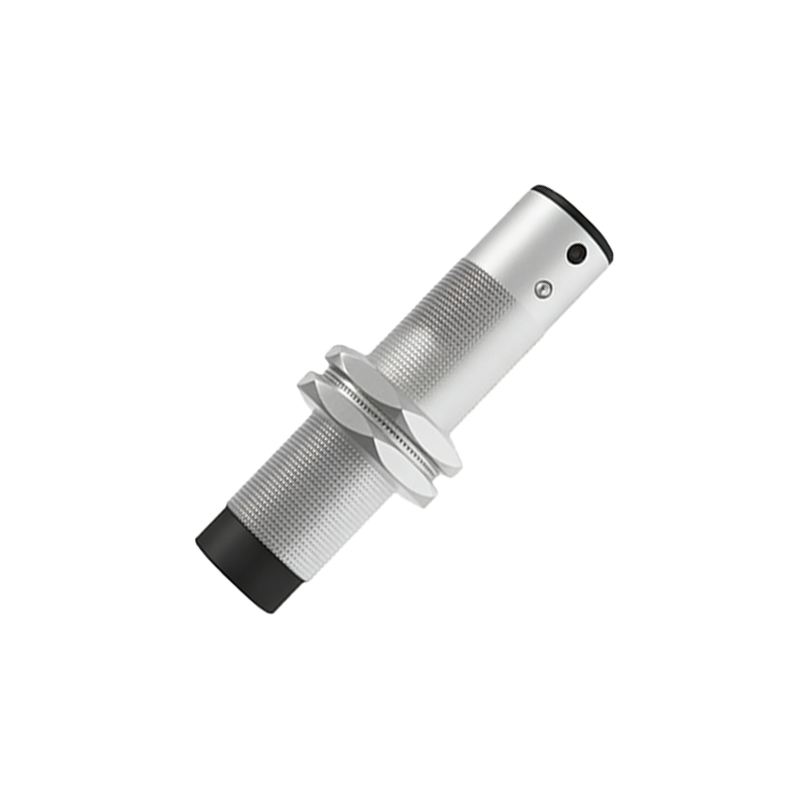
Introduction to Proximity Sensors in Modern Industry
Proximity sensors are indispensable components in automation and control systems, detecting the presence or absence of objects without physical contact. These devices utilize various technologies such as inductive, capacitive, ultrasonic, and photoelectric sensing to enhance efficiency, safety, and precision in manufacturing, packaging, automotive, and robotics sectors. The global market for proximity sensors continues to expand, driven by the rise of Industry 4.0 and smart factory initiatives. Selecting reliable suppliers is crucial for ensuring product quality, durability, and seamless integration into complex industrial environments. This article explores leading suppliers known for their innovation, technical support, and comprehensive product portfolios.
Key Technologies and Selection Criteria
Understanding sensor technologies is essential for choosing the right supplier. Inductive sensors are ideal for detecting metallic objects, offering high robustness in harsh conditions. Capacitive sensors can detect both metallic and non-metallic materials, including liquids and powders, making them versatile for diverse applications. Ultrasonic sensors provide long-range detection and are effective in challenging environments with dust or moisture. Photoelectric sensors use light beams to detect objects accurately over varying distances. When evaluating suppliers, consider factors like sensing range, response time, environmental ratings (IP67/IP69K), output types (PNP/NPN, analog, IO-Link), and compliance with international standards (CE, UL). Additionally, assess their customization capabilities, delivery timelines, and after-sales support to meet specific operational needs.
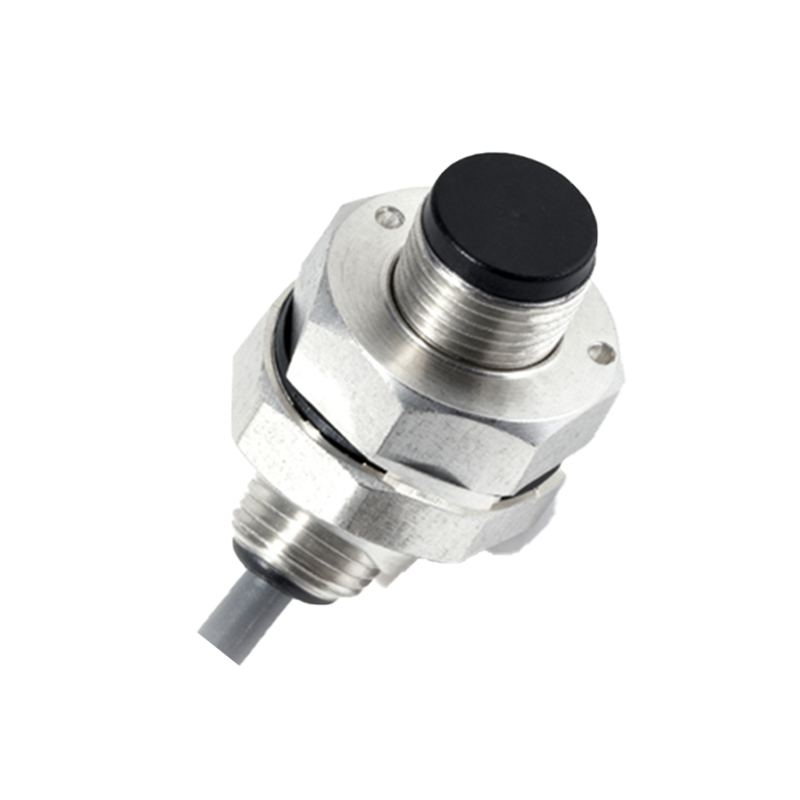
Leading Global Suppliers and Their Offerings
Several companies dominate the proximity sensor market with proven expertise. Siemens AG, a German multinational, provides a wide range of inductive and ultrasonic sensors under the SIMATIC brand, renowned for high precision and integration with PLC systems. Omron Corporation, based in Japan, excels in compact and durable sensors, including the E2E series for inductive sensing and E3Z photoelectric models, favored for their reliability in automation. Pepperl+Fuchs, another German leader, specializes in hazardous area sensors with advanced intrinsic safety certifications, catering to oil, gas, and chemical industries. Balluff GmbH offers innovative solutions like RFID-integrated sensors and IO-Link connectivity, enhancing data communication in smart factories. In the United States, Rockwell Automation (Allen-Bradley) delivers robust sensors compatible with its control systems, while Turck provides versatile multipurpose sensors with high immunity to electromagnetic interference.
Innovation and Future Trends
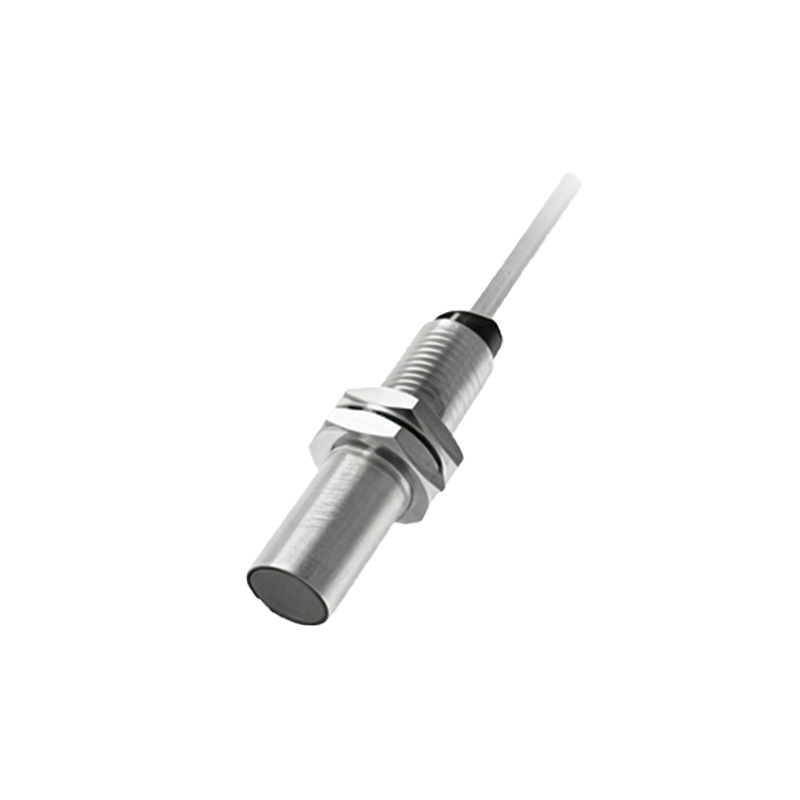
The proximity sensor industry is evolving with advancements in miniaturization, wireless connectivity, and IoT integration. Suppliers are developing sensors with embedded diagnostics, predictive maintenance features, and energy-efficient designs to reduce downtime and operational costs. For instance, IO-Link technology enables real-time data exchange and parameter adjustments, facilitating adaptive manufacturing processes. Emerging trends include the use of MEMS (Micro-Electro-Mechanical Systems) for ultra-compact sensors and AI-driven analytics for anomaly detection. Environmental sustainability is also gaining focus, with suppliers adopting eco-friendly materials and recycling programs. As industries embrace digital transformation, proximity sensors will play a pivotal role in enabling autonomous systems and enhancing supply chain visibility.
Practical Considerations for Procurement
When sourcing proximity sensors, engage with suppliers that offer comprehensive technical documentation, application engineering support, and global distribution networks. Evaluate sample testing programs to verify performance in real-world conditions. Consider total cost of ownership, including installation, maintenance, and potential integration expenses. Partnering with suppliers that provide training resources and online configurators can streamline the selection process. Additionally, monitor industry certifications and patents to ensure innovation alignment. For specialized needs, such as high-temperature or washdown environments, seek suppliers with niche expertise. Regularly review market reports and customer feedback to stay updated on supplier reliability and product advancements, ensuring long-term operational success.