Introduction to Photoelectric Sensors
Photoelectric sensors are versatile and widely used devices in industrial automation and control systems. They operate by emitting a beam of light, typically from an LED or laser diode, and detecting changes in the received light signal. These changes are caused by the presence, absence, or specific characteristics of a target object. The core principle relies on the interaction between light and matter, offering non-contact detection, high precision, and fast response times. Their ability to sense a vast range of materials, including metals, plastics, glass, and liquids, makes them indispensable in modern manufacturing, packaging, material handling, and safety systems. This technology provides a reliable solution for tasks such as object counting, positioning, edge detection, and level sensing, forming a critical link between the physical world and automated control logic.
Core Operating Principles and Types
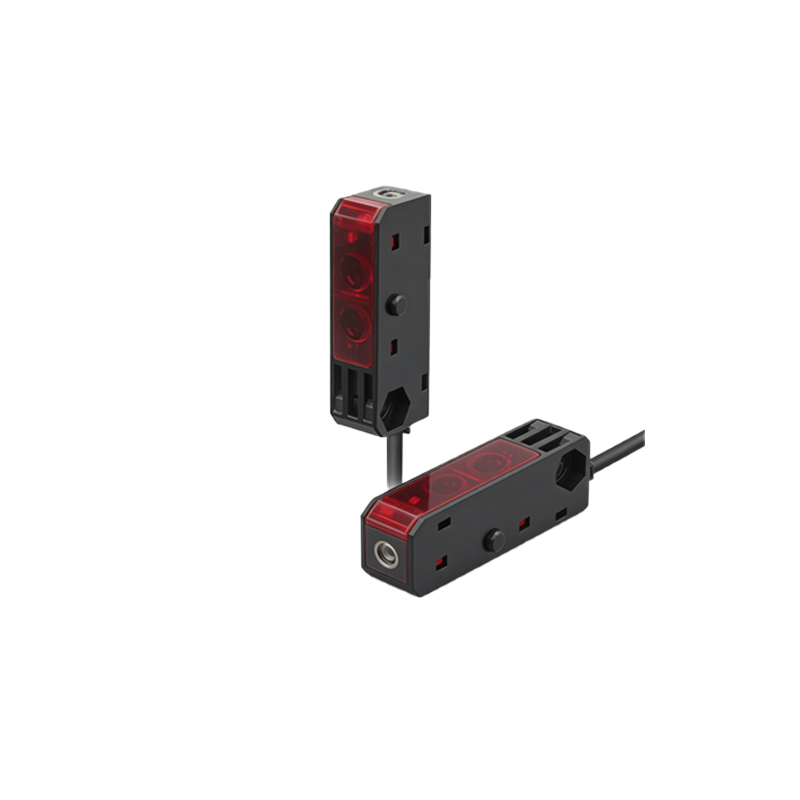
The functionality of photoelectric sensors is categorized into three primary operating modes: through-beam, retro-reflective, and diffuse reflective. Through-beam sensors consist of separate, opposing emitter and receiver units. The detection occurs when an object interrupts the light beam traveling from the emitter to the receiver. This mode offers the longest sensing range and highest reliability, as it is largely immune to the target's color, reflectivity, or surface finish. Retro-reflective sensors house both the emitter and receiver in a single housing. They use a reflector to bounce the light beam back to the receiver. An object is detected when it blocks this reflected beam. These sensors require only one wiring point and offer a good balance of range and simplicity. Diffuse reflective sensors, also known as proximity sensors, also have a combined emitter and receiver. They detect an object when the emitted light reflects off the target's surface and returns to the receiver. The sensing distance is influenced by the target's color, size, and surface texture, making them suitable for applications where the target characteristics are consistent.
Key Technical Specifications and Performance Factors
Selecting the appropriate photoelectric sensor requires a thorough understanding of its technical parameters. Sensing range, often specified as a nominal value and a guaranteed operational limit, is fundamental. The response time, measured in milliseconds or microseconds, determines how quickly the sensor can detect a change and send a signal, crucial for high-speed applications. Light source type is another critical factor; red LED is common and cost-effective, infrared LED is used for discreet operation, laser diodes provide extremely precise and long-range detection, and color recognition sensors use specific wavelengths. Environmental ratings, such as IP (Ingress Protection) codes for dust and water resistance, and NEMA ratings, are vital for ensuring reliable operation in harsh conditions involving moisture, oil, or washdowns. Output configuration, including NPN/PNP transistor outputs or relay contacts, must be compatible with the connected controller, such as a PLC.
Advanced Features and Sensing Modes
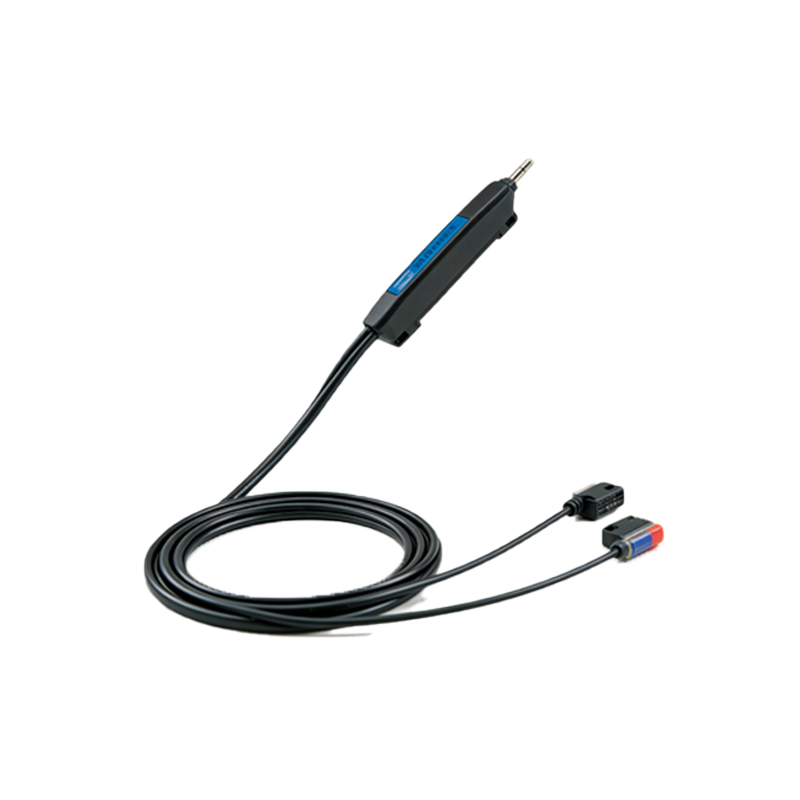
Modern photoelectric sensors incorporate advanced features to solve complex application challenges. Background suppression is a sophisticated diffuse mode that uses triangulation to ensure detection only within a defined distance, ignoring objects or surfaces beyond the set range. This is ideal for detecting objects on a conveyor belt while ignoring the belt itself. Contrast sensors are designed to detect differences in color, grayscale, or contrast marks, commonly used in labeling and printing registration. Luminescence sensors detect the presence of materials that glow under UV light, such as invisible inks or security tags. Fiber optic sensors utilize flexible light guides to deliver light to and from a tiny sensing head, enabling detection in extremely confined spaces, high-temperature environments, or areas with high electromagnetic interference. These specialized modes expand the utility of photoelectric sensing far beyond simple presence detection.
Practical Application Examples in Industry
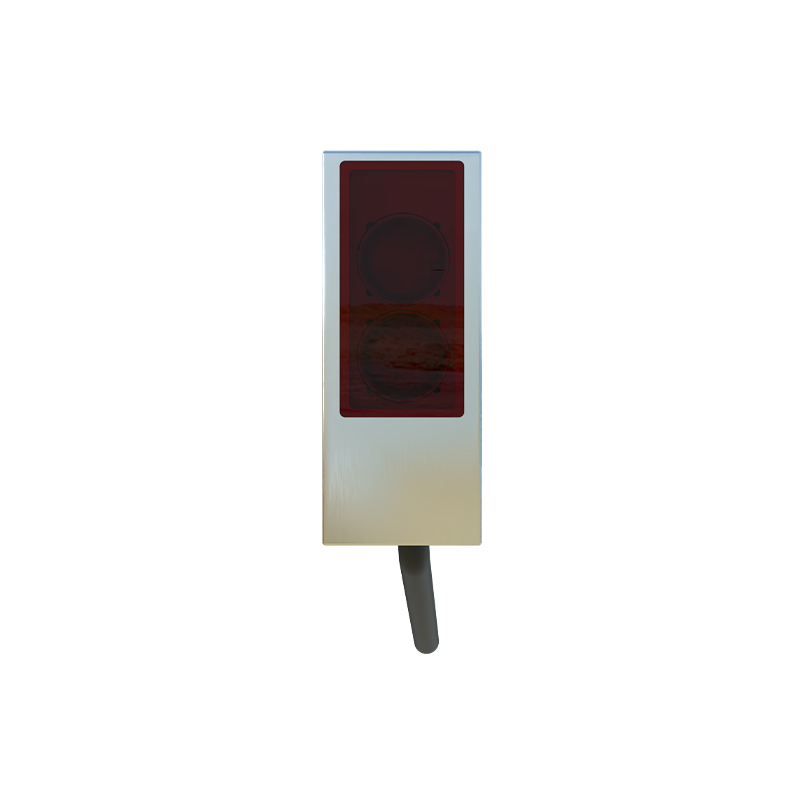
The applications of photoelectric sensors span virtually every industrial sector. In automotive assembly, through-beam sensors verify the presence of components on a moving line, while diffuse sensors check for correct door closure. Packaging machinery relies heavily on retro-reflective and diffuse sensors for counting products, detecting labels, and ensuring proper fill levels in bottles. In the material handling and logistics sector, sensors control the flow of packages on sortation conveyors, detect pallet positions, and provide safety curtain protection for automated guided vehicles (AGVs). Food and beverage processing uses sensors with high IP ratings for washdown areas to detect containers, monitor levels in silos, and inspect for missing caps. Their non-contact nature prevents contamination and avoids mechanical wear.
Installation, Alignment, and Troubleshooting Guidelines
Proper installation is paramount for optimal sensor performance. Key considerations include mounting stability to prevent vibration-induced misalignment, ensuring the sensing path is free from obstructions like dust, steam, or stray light interference. For through-beam and retro-reflective types, precise optical alignment is necessary, often aided by built-in alignment indicators or visible beam spots. Environmental factors such as ambient light, particularly strong sunlight or welding arcs, can be mitigated by using sensors with modulated light signals and selectable frequencies. Common troubleshooting steps involve verifying power supply, checking for physical obstructions or buildup on lenses, confirming alignment, and testing the output with the intended load. Understanding the sensor's status indicators (power, output, stability) is essential for rapid diagnosis and maintenance.
Selection Criteria and Future Trends
The selection process should follow a systematic approach: define the application (detect what?), identify the operating mode based on target and environment, determine the required sensing range and precision, specify necessary environmental protection, and choose the correct electrical output and housing style. Looking forward, the integration of photoelectric sensors with Industrial Internet of Things (IIoT) platforms is a significant trend. Sensors with IO-Link communication provide not just a simple on/off signal but also detailed diagnostic data, parameterization capabilities, and condition monitoring information. Miniaturization continues, allowing sensors to fit into increasingly compact machinery. Furthermore, the development of smarter sensors with built-in logic functions and enhanced resistance to challenging environmental conditions will drive further adoption and innovation in automation systems worldwide.