Introduction to Proximity Sensors with Integrated Amplification
Proximity sensors are fundamental components in modern industrial automation, providing non-contact detection of objects. A significant evolution in their design is the integration of a built-in amplifier. This integration transforms the sensor from a simple detection element into a sophisticated, self-contained measurement and switching device. The built-in amplifier processes the often weak and noisy electrical signal generated by the sensing element (inductive, capacitive, or photoelectric) and converts it into a robust, standardized output signal. This output is typically a clean switch signal, such as a solid-state PNP/NPN transistor output or a standardized analog voltage/current signal, ready for direct interface with Programmable Logic Controllers (PLCs), counters, or other control systems. This design eliminates the need for external signal conditioning modules, streamlining cabinet design, reducing wiring complexity, and enhancing overall system reliability.
Core Advantages of the Built-in Amplifier Design
The primary benefit of incorporating an amplifier directly into the sensor housing is the drastic improvement in signal integrity. Raw signals from sensing coils or photodiodes are susceptible to electromagnetic interference (EMI), cable capacitance, and signal attenuation over long cable runs. The built-in amplifier conditions this signal at the source, immediately boosting it to a usable level and applying filtering to reject noise. This results in a much higher signal-to-noise ratio, which directly translates to increased sensing stability and repeatability. Furthermore, it allows for longer cable distances between the sensor and the controller without signal degradation. From a practical standpoint, this integration simplifies installation and maintenance. Technicians only need to connect power and the output wires, as opposed to wiring a separate sensor to an external amplifier unit. This reduces potential points of failure, minimizes wiring errors, and lowers total installation cost.
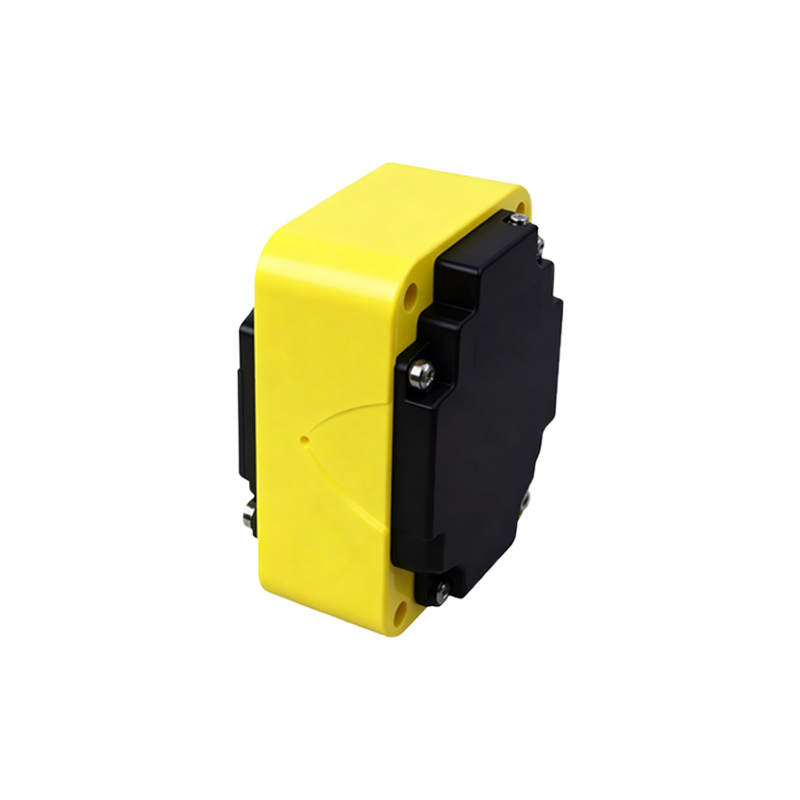
Key Technical Characteristics and Configuration
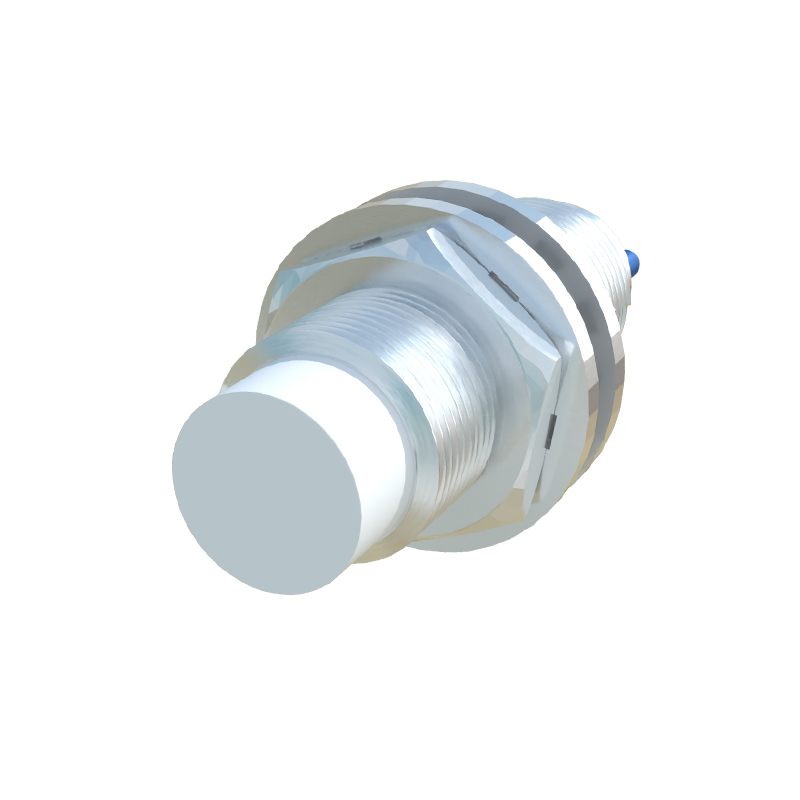
Modern proximity sensors with built-in amplifiers offer a range of configurable parameters, often set via teach-in buttons, potentiometers, or digital interfaces. Key characteristics include switching hysteresis, response time, and output type configuration. Hysteresis is crucial for preventing output chatter when a target is at the exact sensing point; the amplifier circuit is designed to provide a defined on/off threshold difference. Response time, typically in the microsecond to millisecond range, is determined by the amplifier's filtering circuits and defines how quickly the sensor can react to a target's appearance or disappearance. Many models feature selectable output functions, such as light-on/dark-on for photoelectric sensors, or normally-open/normally-closed logic for inductive sensors. Some advanced models even incorporate analog outputs (4-20 mA or 0-10 V) proportional to the distance to the target, enabled by sophisticated amplifier circuitry that linearizes the sensor's characteristic curve.
Application-Specific Amplifier Considerations
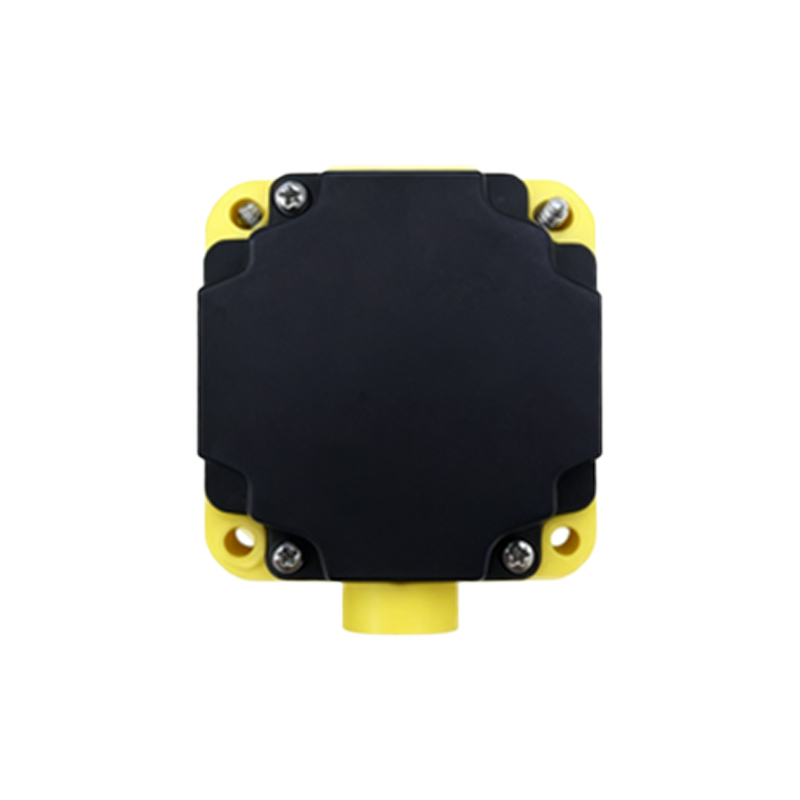
The choice of a proximity sensor with a built-in amplifier must align with the specific application demands. In high-speed counting or packaging applications, a sensor with an ultra-fast amplifier response time is essential. For applications involving different colored or reflective surfaces, photoelectric sensors with amplifiers featuring background suppression or true background suppression technology are necessary; their amplifiers intelligently evaluate the signal to detect only objects within a precise, defined window. In harsh environments with severe EMI, such as near welding equipment or large motors, sensors with amplifiers designed for high noise immunity are critical. These amplifiers employ specialized shielding, filtering algorithms, and often differential signal processing to maintain reliable operation. For food and beverage or pharmaceutical industries, sensors with stainless-steel housings and built-in amplifiers capable of withstanding frequent high-pressure, high-temperature washdowns are specified.
Trends and Future Developments in Integrated Sensor Amplifiers
The future of built-in amplifiers in proximity sensors is closely tied to the rise of Industry 4.0 and the Industrial Internet of Things (IIoT). We are witnessing a trend towards amplifiers with integrated digital intelligence and communication capabilities. These "smart sensors" contain microprocessors alongside the amplifier, enabling functions like advanced diagnostics (e.g., monitoring signal strength, temperature, or contamination levels), parameter storage, and direct communication via IO-Link. IO-Link, a point-to-point serial communication protocol, allows the amplifier's parameters to be set remotely from the controller and enables the transmission of detailed process and device data. This transforms the sensor from a simple switch into a rich source of diagnostic information, facilitating predictive maintenance and deeper process optimization. Additionally, advancements in ASIC (Application-Specific Integrated Circuit) design are leading to smaller, more energy-efficient, and yet more powerful amplifier circuits, enabling more compact sensor designs with enhanced functionality.