Understanding the Challenge of Ambient Light
In industrial automation and control systems, proximity sensors are fundamental components for detecting the presence or absence of objects without physical contact. However, a persistent operational challenge arises from ambient light interference. Factory environments are often saturated with various light sources, including high-intensity LED lighting, welding arcs, sunlight from windows, and strobe signals from other equipment. Traditional photoelectric or optical proximity sensors can misinterpret these intense or fluctuating light signals as the target object, leading to false triggers, production errors, and system downtime. This vulnerability compromises the reliability and precision that modern manufacturing processes demand, creating a critical need for more robust sensing solutions.
The Core Technology Behind Anti-Light Interference
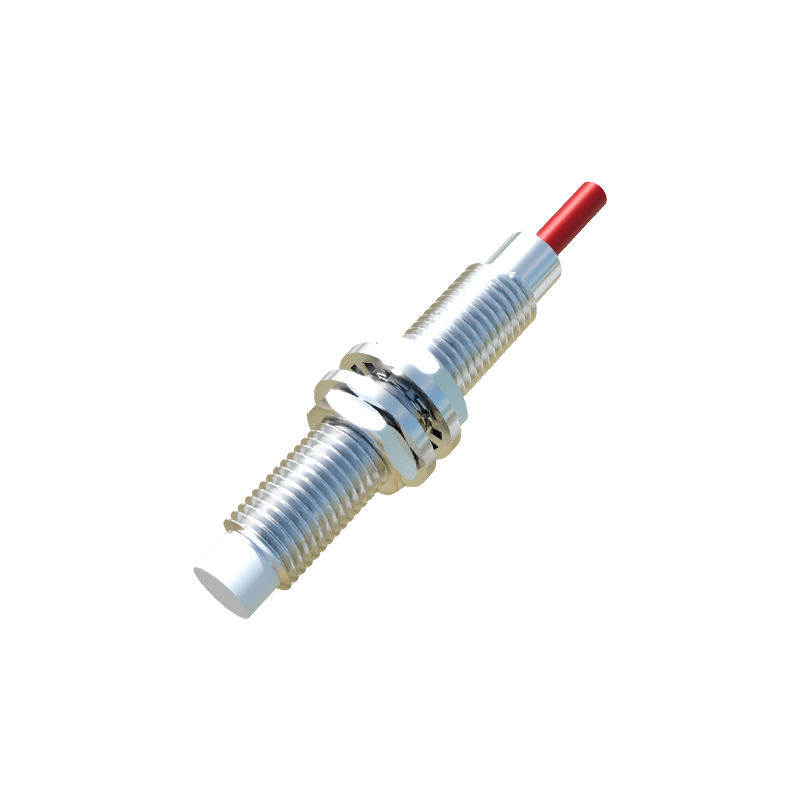
Anti-light interference proximity sensors are engineered with specialized optical and electronic designs to reject ambient light. The primary technological defense is optical filtering. These sensors are equipped with narrow-bandpass filters that are precisely matched to the wavelength of the sensor's own modulated infrared (IR) or laser light source. This design allows only a very specific frequency of light to reach the photodetector, effectively blocking out broad-spectrum ambient light. Furthermore, advanced models employ synchronous demodulation techniques. The sensor's emitter sends a modulated signal at a specific high frequency. The receiver circuit is tuned to recognize only this exact modulation pattern, ignoring any constant or differently pulsed ambient light. This combination of spectral and temporal filtering ensures that the sensor responds solely to its own reflected signal.
Key Performance Advantages in Harsh Environments
The implementation of anti-light interference technology translates directly into superior performance metrics. First and foremost is enhanced reliability and stability. Sensors maintain consistent detection accuracy regardless of changing lighting conditions, such as shifts from day to night or operations near intermittent bright machinery. This drastically reduces false positives and missed detections. Secondly, it allows for a significant increase in operational sensing distance. By eliminating noise from ambient light, the sensor can utilize higher gain settings to detect weaker return signals from distant or low-reflectivity objects. Finally, these sensors demonstrate exceptional durability and reduced maintenance needs. By not being perturbed by environmental light, they experience less electronic stress and logic errors, leading to longer service life and lower total cost of ownership in challenging installations.
Critical Application Areas and Use Cases
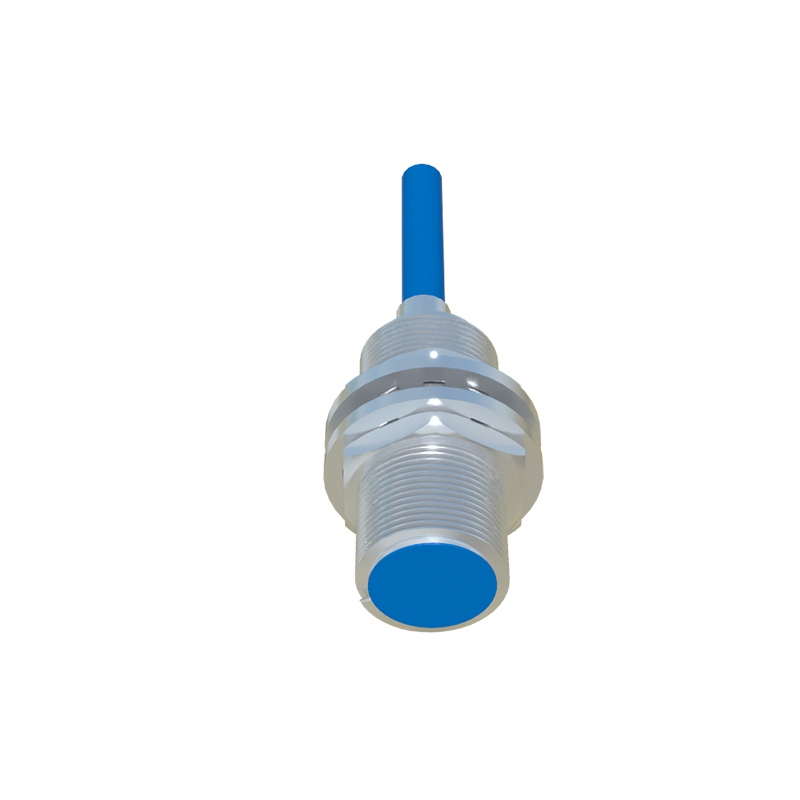
The robustness of anti-light interference sensors makes them indispensable in specific high-stakes applications. In automotive manufacturing, they are crucial for assembly line robots working under brilliant spotlights, ensuring precise part placement and weld point detection. Within the packaging industry, these sensors reliably detect transparent films, glossy labels, and clear bottles on high-speed conveyors, even when positioned near large warehouse doors or windows. Outdoor applications, such as in automated guided vehicles (AGVs) or gate control systems, benefit immensely as they operate flawlessly in direct sunlight. Another vital use case is in environments with strong artificial light sources, like near plasma cutting tables, laser engravers, or in semiconductor fabrication cleanrooms with intense UV lighting, where traditional sensors would fail.
Selection Criteria and Integration Best Practices
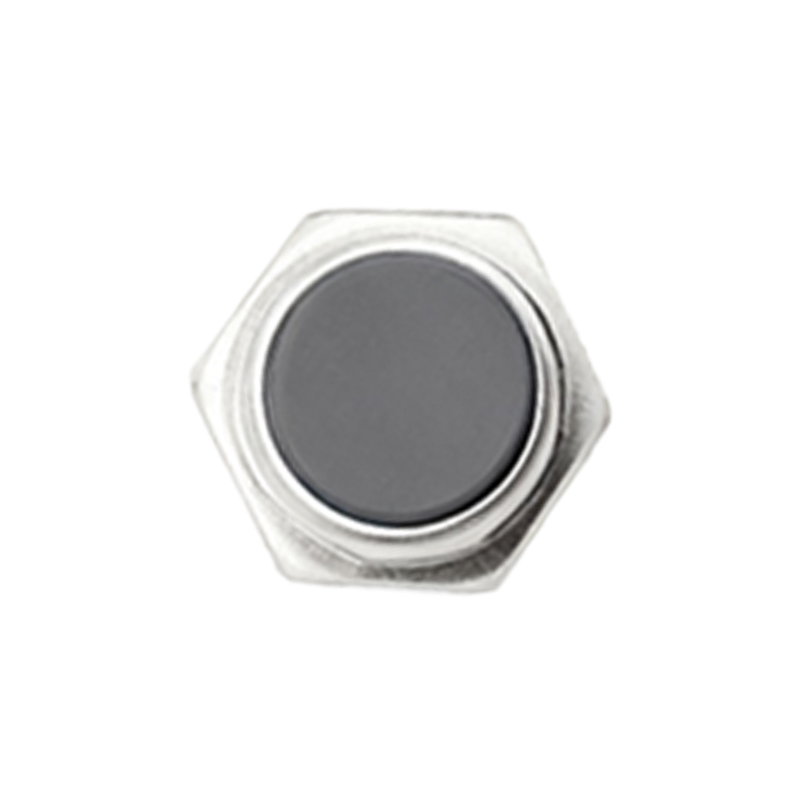
Selecting the appropriate anti-light interference sensor requires careful consideration of several parameters. Engineers must evaluate the specific type and intensity of ambient light present, often measured in lux or foot-candles, to choose a sensor with a sufficient ambient light immunity rating, typically specified in lux. The required sensing range and the reflectivity characteristics of the target material are also paramount, as they determine the necessary power output and lens design. For integration, proper mechanical mounting is essential to shield the sensor's lens from direct beams of problematic light where possible. Alignment should be verified under the actual operating light conditions. Additionally, many modern sensors feature adjustable sensitivity and offer teach-in functions or IO-Link communication for digital parameterization, allowing fine-tuning on-site to achieve optimal noise rejection and detection performance.
The Future of Robust Sensing Solutions
The evolution of anti-light interference technology continues to align with Industry 4.0 trends. Future sensors are integrating more intelligent background light analysis, capable of dynamically adjusting their filtering parameters based on real-time ambient light profiling. The convergence of high- immunity optics with advanced sensing principles like time-of-flight (ToF) and photoelectric measurement is creating multi-functional devices that provide not only presence detection but also precise distance measurement, immune to environmental light. As industrial environments become more complex and interconnected, the demand for sensors that guarantee unwavering reliability under all lighting conditions will only grow, solidifying the role of anti-light interference proximity sensors as a cornerstone of resilient automation systems.