Introduction to Photoelectric Sensors
Photoelectric sensors are essential components in modern industrial automation, utilizing light to detect the presence, absence, or distance of objects. These sensors operate by emitting a light beam, typically from an LED or laser diode, and measuring changes in the received light intensity caused by the target object. The core principle relies on the interaction between light and matter, where the sensor's receiver converts light signals into electrical signals for processing. This technology enables non-contact detection, making it ideal for applications requiring high precision, speed, and reliability without physical wear. Common types include through-beam, retro-reflective, and diffuse reflective sensors, each suited for specific environmental conditions and detection ranges. Their versatility allows integration into diverse systems, from manufacturing lines to safety mechanisms, enhancing efficiency and reducing downtime.
Working Principles and Key Components
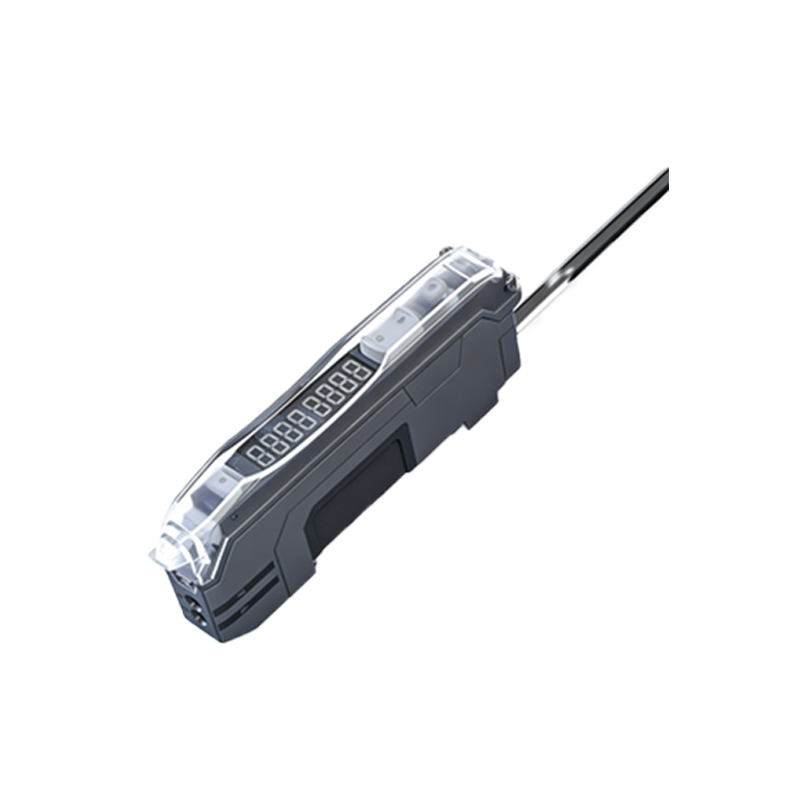
The functionality of photoelectric sensors hinges on three main components: an emitter, a receiver, and a signal processor. The emitter generates a focused light beam, often in the visible red, infrared, or laser spectrum, chosen based on application needs such as range or ambient light interference. The receiver, typically a phototransistor or photodiode, detects the light and converts it into an electrical current. When an object interrupts or reflects the beam, the change in current triggers the signal processor to output a digital or analog signal. For instance, through-beam sensors use separate emitter and receiver units for long-range detection, while diffuse sensors rely on light reflected directly from the target. Advanced models incorporate background suppression or time-of-flight technology for precise distance measurement, ensuring accurate operation even in challenging settings like dusty or humid environments.
Common Applications in Industrial Settings
In industrial automation, photoelectric sensors play a critical role in optimizing processes and ensuring safety. They are widely used for object detection on conveyor belts, where they count items, verify positioning, or trigger robotic arms for sorting and packaging. In assembly lines, these sensors monitor part presence and alignment, preventing jams and defects. Safety applications include light curtains that create invisible barriers around hazardous machinery, instantly stopping equipment if a worker breaches the zone. Additionally, they facilitate level sensing in tanks by detecting liquid or solid materials, and in the automotive industry, they inspect components for quality control. Their ability to operate at high speeds—up to milliseconds—makes them indispensable for real-time monitoring, contributing to increased productivity and reduced operational costs.
Advantages Over Other Sensor Types
Compared to mechanical or capacitive sensors, photoelectric sensors offer distinct benefits that enhance industrial performance. Their non-contact nature eliminates friction and wear, leading to longer lifespans and lower maintenance. They provide high accuracy and repeatability, with detection ranges extending from a few millimeters to over 100 meters, depending on the model. Fast response times enable rapid data acquisition, crucial for high-speed automation. Moreover, they are less affected by material properties like color or texture, especially when using infrared light, ensuring reliable detection across varied surfaces. Environmental resilience is another key advantage; many sensors feature rugged housings and are immune to electrical noise, making them suitable for harsh conditions. However, challenges such as ambient light interference or transparent object detection can be mitigated with proper calibration and shielding.
Selection Criteria and Installation Tips
Choosing the right photoelectric sensor requires evaluating factors like sensing distance, target material, and environmental conditions. For long-range applications, through-beam sensors are preferred, while diffuse sensors work well for shorter distances and reflective surfaces. Consider the light source: infrared beams reduce ambient light effects, whereas laser beams offer precise focusing. Installation should ensure stable mounting to avoid misalignment, with regular cleaning of lenses to prevent dust buildup. Wiring must follow manufacturer guidelines to prevent signal loss, and testing under operational conditions is recommended to verify performance. Integrating sensors with PLCs or IoT systems allows for data logging and remote monitoring, further enhancing automation capabilities. Regular maintenance, including checking for lens obstructions and calibrating sensitivity, ensures sustained reliability.
Future Trends and Innovations
The future of photoelectric sensors is shaped by advancements in smart technology and miniaturization. Emerging trends include the integration of IoT connectivity, enabling sensors to transmit real-time data to cloud platforms for predictive maintenance and analytics. Enhanced algorithms improve object discrimination, allowing sensors to distinguish between multiple targets or colors. Miniaturized designs facilitate installation in compact spaces, expanding applications in robotics and wearable devices. Energy-efficient models with low-power consumption support sustainable operations. Additionally, hybrid sensors combining photoelectric with ultrasonic or vision systems offer multi-functional detection, adapting to complex industrial needs. As Industry 4.0 evolves, these innovations will drive greater autonomy and efficiency in automated systems worldwide.