Introduction to Proximity Sensors in New Energy Systems
Proximity sensors are critical components in modern new energy applications, including electric vehicles, wind turbines, and solar power installations. These devices detect the presence or absence of objects without physical contact, ensuring precise control and safety in automated systems. In the context of new energy, proximity sensors contribute to efficiency by monitoring moving parts, preventing collisions, and optimizing energy consumption. Their role is particularly vital in high-voltage environments where reliability and accuracy are paramount. Understanding the assembly diagram of these sensors provides insight into their functionality and integration within complex energy systems.
Key Components of a Proximity Sensor Assembly
A typical proximity sensor assembly consists of several essential parts. The sensing element, often based on inductive, capacitive, or ultrasonic technology, detects nearby objects. This element is housed in a durable casing made from materials like stainless steel or plastic, designed to withstand harsh conditions such as moisture and temperature fluctuations. Internal circuitry includes an oscillator, amplifier, and output switch, which process signals and transmit data to control units. Wiring connections and mounting brackets facilitate installation in new energy equipment. The assembly diagram illustrates how these components interconnect, ensuring seamless operation in applications like battery management or turbine blade positioning.
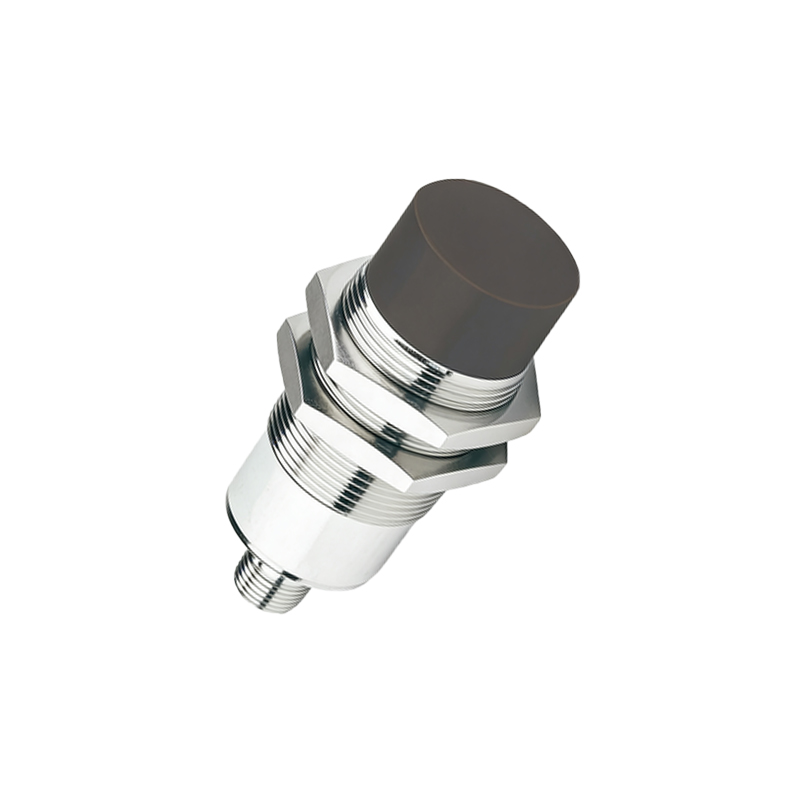
Assembly Diagram Interpretation and Functionality
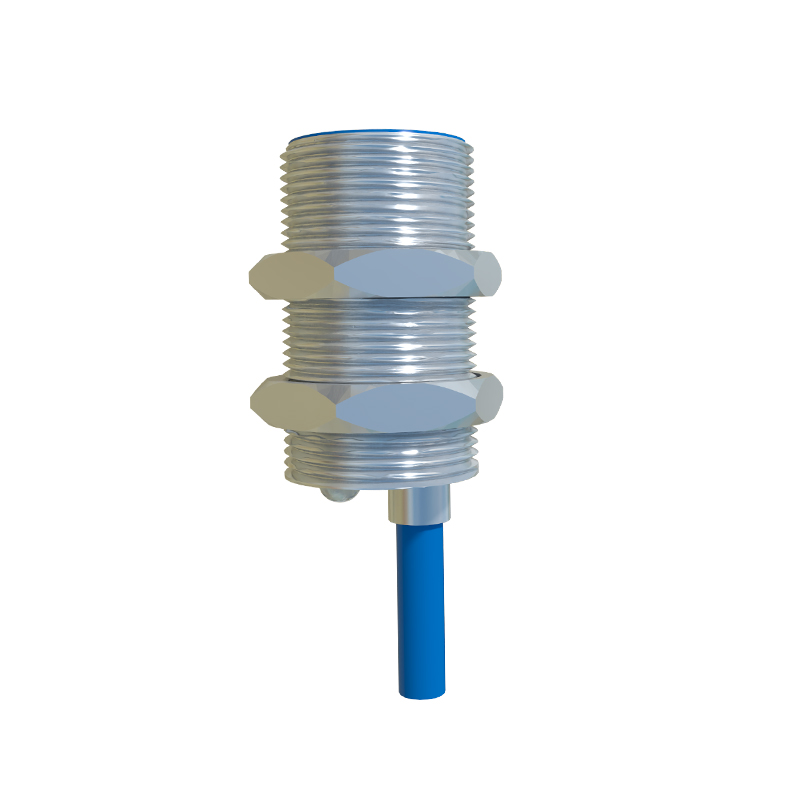
Interpreting a proximity sensor assembly diagram involves analyzing the layout and connections of each part. The diagram typically shows the sensor head, housing, electrical terminals, and output leads. Arrows indicate signal flow from the sensing element to the output stage, where it interfaces with external controllers. In new energy systems, this functionality enables real-time monitoring of components like rotor shafts in wind turbines or conveyor belts in solar panel manufacturing. By studying the diagram, engineers can troubleshoot issues, such as misalignment or signal interference, and optimize sensor placement for maximum detection range and energy efficiency.
Integration with New Energy Technologies
Proximity sensors are integrated into various new energy technologies to enhance performance and safety. In electric vehicles, they assist in parking systems and battery cooling mechanisms, detecting obstacles and monitoring fluid levels. For renewable energy sources like wind farms, sensors monitor blade position and gearbox movement, preventing mechanical failures. The assembly diagram aids in customizing sensors for specific applications, such as adjusting sensitivity for high-precision tasks in solar tracking systems. This integration supports the transition to sustainable energy by improving operational reliability and reducing maintenance costs.
Design Considerations for Harsh Environments
New energy applications often expose proximity sensors to extreme conditions, including vibration, electromagnetic interference, and corrosive substances. The assembly diagram highlights design features that address these challenges, such as sealed housings for waterproofing and shielded cables to minimize noise. Materials selection is crucial; for instance, using high-grade plastics or metals ensures durability in offshore wind turbines or desert-based solar plants. Engineers must consider factors like operating temperature range and ingress protection ratings when interpreting the diagram to ensure sensors meet industry standards and longevity requirements.
Future Trends and Innovations
Advancements in proximity sensor technology are driving innovations in the new energy sector. Miniaturization and smart sensors with IoT capabilities are becoming prevalent, allowing for wireless connectivity and data analytics. Assembly diagrams are evolving to include digital twins, enabling virtual testing and optimization before physical installation. Future trends may incorporate AI for predictive maintenance, where sensors detect anomalies in energy systems and alert operators proactively. By staying updated on these developments, professionals can leverage assembly diagrams to implement cutting-edge solutions that boost efficiency and sustainability in renewable energy projects.