Introduction to Photoelectric Sensing Technology
Photoelectric sensors, often referred to as photo eyes, are fundamental components in modern industrial automation. They operate on the principle of converting light signals into electrical signals to detect the presence, absence, or distance of objects. Unlike mechanical limit switches, they offer non-contact detection, which translates to longer operational life, higher reliability, and faster response times. The core components of a standard photoelectric sensor include an emitter (light source), a receiver (phototransistor or photodiode), and signal processing circuitry. The emitter projects a beam of light, which is then either received directly, reflected off a target, or interrupted, depending on the sensing mode. This technology forms the backbone of countless applications, from simple object counting on a conveyor to complex positioning tasks in robotic cells. The versatility and precision of photoelectric sensing make it indispensable for ensuring efficiency, safety, and quality control in automated processes.
Defining PSC Photoelectric Sensors
PSC, in the context of photoelectric sensors, stands for "Programmable Single Chip" or, in some industry parlance, "Pulse Synchronous Control." This designation refers to a specific class of advanced, microprocessor-controlled sensors. The key characteristic of a PSC photoelectric sensor is its integrated intelligence. A single microchip handles all critical functions: modulating the emitted light beam, processing the received signal, and executing sophisticated logic for output control. This architecture allows for enhanced performance features not typically found in basic models. PSC sensors are engineered to excel in challenging environments where factors like background interference, target color or reflectivity variations, and ambient light fluctuations can cause standard sensors to fail. Their programmability enables precise tuning of sensing parameters, such as sensitivity thresholds, response time, and output delay, directly on the device, often via a teach-in button or digital interface.
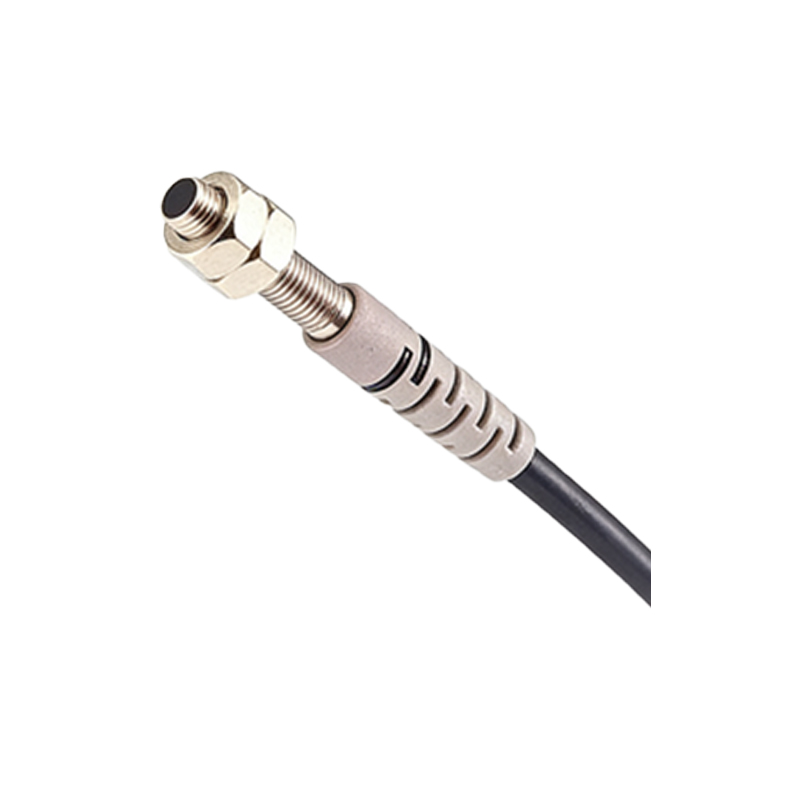
Key Operating Principles and Sensing Modes
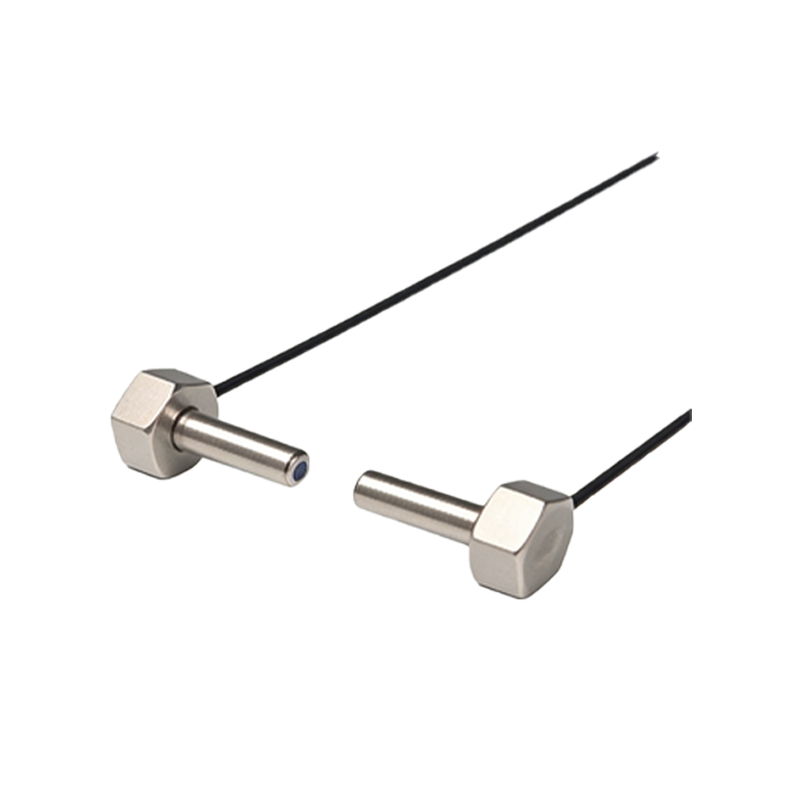
PSC photoelectric sensors leverage the same fundamental optical principles but with superior signal processing. They primarily operate in three standard sensing modes, each enhanced by PSC technology. The Through-beam (or opposed) mode uses separate emitter and receiver units. The object is detected when it breaks the light beam. PSC technology in this mode provides exceptional stability over long distances and high immunity to optical noise. The Retro-reflective mode employs a single unit containing both emitter and receiver, using a reflector to bounce the light beam back. PSC chips can differentiate between the reflector's signal and light reflected from shiny objects, preventing false triggers. The most common and versatile is the Diffuse (proximity) mode, where the sensor detects light reflected directly from the target itself. Here, PSC intelligence is crucial. Advanced background suppression and foreground suppression algorithms allow the sensor to ignore objects beyond a programmed distance or distinguish between targets and their background based on precise distance measurement, not just light intensity.
Advanced Features Enabled by PSC Technology
The integration of a programmable single chip unlocks a suite of advanced features that define modern photoelectric sensors. Firstly, Enhanced Noise Immunity: PSC sensors use modulated pulsed light (often in the infrared or visible red spectrum) and synchronous detection. The chip only recognizes light pulses synchronized with its own modulation frequency, effectively filtering out constant ambient light from factory lighting or sunlight. Secondly, Precise Teach-In Functionality: Setting the sensing window or threshold is simplified. A user can present the target and background to the sensor and press a button; the chip automatically calculates and stores the optimal setting. Thirdly, Diagnostic and Monitoring Capabilities: Many PSC sensors feature built-in diagnostics, such as stability indicators (LEDs that show signal strength) or output signals that indicate lens contamination or misalignment, enabling predictive maintenance. Finally, Flexible Output Configuration: The output logic (light/dark operate), timing functions (ON/OFF delay, one-shot), and sometimes even analog or IO-Link digital communication are managed by the chip, offering immense application flexibility.
Critical Applications in Industrial Automation
PSC photoelectric sensors are deployed across virtually every industry sector. In material handling and packaging, they are used for precise object detection on high-speed conveyors, bottle cap presence verification, and carton counting. Their ability to ignore conveyor belt background is vital here. In automotive assembly, they ensure component presence before robotic welding or verify the correct positioning of parts on a pallet. The electronics industry relies on them for PCB board positioning in pick-and-place machines and detecting miniature components. In food and beverage, their robust housing and reliable detection are used for fill-level control, label detection, and break-of-beam safety curtains on machinery. Logistics and warehousing utilize them for parcel dimensioning, barcode scanner triggering, and pallet height detection in automated storage and retrieval systems (AS/RS). Their robustness and intelligence make them suitable for harsh environments found in metalworking, lumber, and pharmaceutical production.
Selection Criteria and Installation Best Practices
Selecting the right PSC photoelectric sensor requires careful consideration of several parameters. The primary factor is the sensing range, which must accommodate the required working distance for the chosen mode (through-beam offers the longest range). The target characteristics—size, material, color, and surface finish—dictate the needed light source (e.g., red light for general purpose, laser for small targets, blue light for detecting transparent objects) and sensing mode. The environmental conditions are critical: the sensor's housing material (typically metal or plastic), ingress protection (IP) rating for dust and water resistance, and temperature range must match the installation site. Electrical requirements include the supply voltage (e.g., 10-30V DC) and output type (PNP/NPN transistor, analog, IO-Link). For installation, ensure precise alignment for through-beam and retro-reflective modes. For diffuse sensors, consider the angle of incidence and potential background interference. Always secure cabling properly and use mounting brackets to minimize vibration, which can affect alignment and long-term reliability.
Maintenance and Troubleshooting Guidelines
While PSC photoelectric sensors are designed for durability, regular maintenance ensures optimal performance and longevity. The most common issue is lens contamination by dust, oil, or debris, which attenuates the light beam. Establish a routine for cleaning lenses with a soft, lint-free cloth. Avoid abrasive materials that could scratch the optical surface. Periodically check the mechanical alignment, especially in high-vibration environments or after machinery maintenance. Utilize the sensor's built-in diagnostic LEDs; a fluctuating or weak signal strength indicator often points to alignment issues, contamination, or a failing component. For false triggering, verify that the sensing mode is appropriate for the application and that background suppression settings are correctly configured. Ensure the electrical connections are tight and that the power supply is stable and within specifications. When a sensor fails, systematically check the power, wiring, load, and alignment before replacing the unit. Keeping a log of operating conditions and failures can help identify patterns and root causes.