Introduction to Proximity Sensors in Packaging
Proximity sensors are indispensable components in modern packaging machinery, serving as the eyes and ears of automated systems. These non-contact devices detect the presence or absence of objects within a specified range, enabling precise control over packaging operations. In the fast-paced world of manufacturing, where speed and accuracy are paramount, proximity sensors ensure that packaging machines operate seamlessly, minimizing downtime and maximizing productivity. Their ability to function in harsh industrial environments—resistant to dust, moisture, and vibrations—makes them ideal for packaging lines, where consistent performance is critical. From food and beverage to pharmaceutical and consumer goods industries, these sensors play a pivotal role in maintaining high standards of quality and efficiency.
Key Functions and Applications
The primary function of proximity sensors in packaging machines is to detect objects without physical contact, using electromagnetic fields, infrared light, or ultrasonic waves. Common applications include position sensing of packaging materials, such as detecting the presence of boxes, bottles, or films on conveyor belts. For instance, inductive sensors are often used to sense metal components in capping or labeling machines, while capacitive sensors can detect non-metallic materials like plastic or glass. Photoelectric sensors, another type, are employed for counting products or verifying fill levels in containers. By providing real-time feedback, these sensors help synchronize machine movements, prevent jams, and ensure accurate packaging, thereby reducing waste and enhancing operational safety.
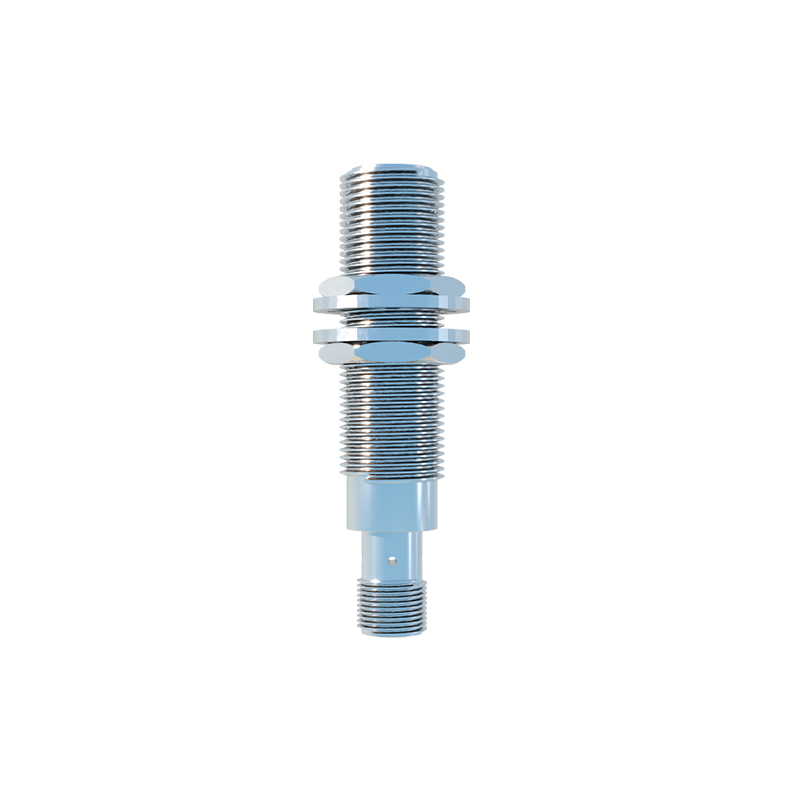
Types of Proximity Sensors Used
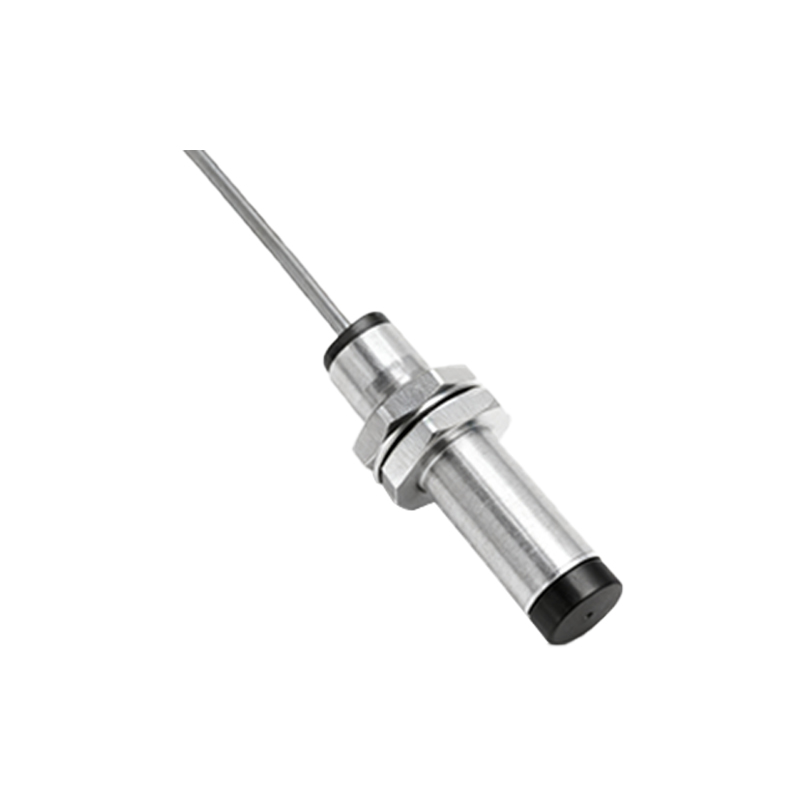
Several types of proximity sensors are utilized in packaging machinery, each suited to specific tasks. Inductive sensors are popular for detecting metallic objects, offering high reliability in environments with electrical noise. Capacitive sensors, on the other hand, can sense both metallic and non-metallic materials, making them versatile for diverse packaging lines. Photoelectric sensors use light beams to detect objects and are ideal for long-range applications, such as monitoring large conveyor systems. Ultrasonic sensors measure distance by emitting sound waves and are effective for detecting transparent or irregularly shaped items. The choice of sensor depends on factors like material properties, environmental conditions, and required precision, with many modern packaging machines integrating multiple sensor types for comprehensive control.
Benefits for Packaging Efficiency
Integrating proximity sensors into packaging machines yields significant benefits in terms of efficiency and cost-effectiveness. By enabling automated detection, these sensors reduce the need for manual intervention, leading to faster production cycles and lower labor costs. They enhance accuracy in tasks like positioning and sealing, which minimizes errors and material waste. For example, sensors can detect misaligned labels or improperly closed packages, triggering immediate corrections. Additionally, proximity sensors contribute to predictive maintenance by monitoring machine components for wear or misalignment, allowing timely repairs before failures occur. This proactive approach extends equipment lifespan and reduces unplanned downtime, ultimately boosting overall productivity and profitability in packaging operations.
Challenges and Solutions
Despite their advantages, proximity sensors in packaging machines face challenges such as interference from environmental factors, including temperature fluctuations, electromagnetic interference, or contamination from dust and liquids. To address these issues, manufacturers design sensors with robust housings and advanced filtering technologies. Regular calibration and maintenance are essential to ensure optimal performance. Moreover, selecting the right sensor for specific applications—considering factors like sensing range and material compatibility—can mitigate potential problems. Innovations like self-diagnostic sensors that alert operators to malfunctions further enhance reliability. By implementing best practices in installation and upkeep, packaging facilities can overcome these hurdles and leverage sensors for sustained operational excellence.
Future Trends and Innovations
The future of proximity sensors in packaging machinery is shaped by advancements in technology, such as the integration of IoT (Internet of Things) and Industry 4.0 principles. Smart sensors with embedded connectivity can transmit real-time data to centralized systems, enabling remote monitoring and analytics for optimized performance. Miniaturization trends allow for more compact sensor designs, facilitating installation in space-constrained machines. Enhanced sensitivity and faster response times are also emerging, supporting high-speed packaging lines. Furthermore, the development of energy-efficient sensors aligns with sustainability goals, reducing power consumption in manufacturing. As packaging becomes more automated and data-driven, proximity sensors will continue to evolve, driving innovation and setting new benchmarks for efficiency and reliability in the industry.