Understanding Photoelectric Sensor Fundamentals
Photoelectric sensors are indispensable components in modern industrial automation, relying on light beams to detect the presence, absence, or distance of objects. Their operation hinges on a simple principle: a light emitter sends out a beam, which is then either received directly, reflected, or interrupted. The core challenge in application is not just installation but precise mode configuration. Selecting the correct sensing mode—diffuse, retro-reflective, or through-beam—is the foundational step that dictates the sensor's reliability and accuracy in a given environment. Each mode has distinct advantages and limitations concerning sensing range, target material, and environmental interference. A thorough grasp of these fundamentals is non-negotiable for any engineer aiming to optimize a sensor's performance beyond its default factory settings.
Step-by-Step Mode Selection and Configuration
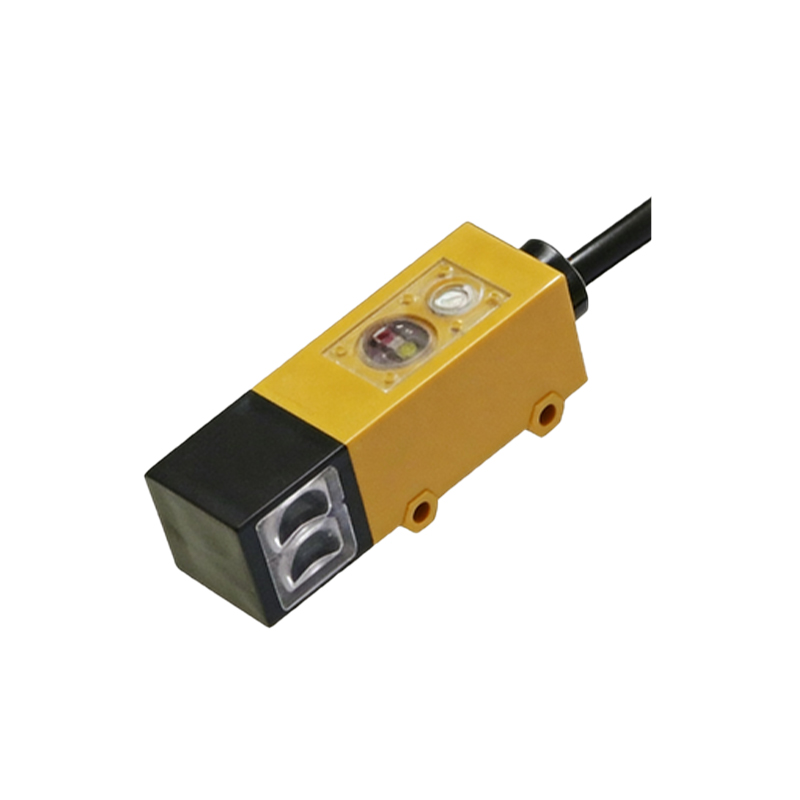
The adjustment process begins with a deliberate mode selection based on the application's physical constraints and requirements. For long-range, high-reliability detection where objects interrupt a beam between separate emitter and receiver units, the through-beam mode is optimal. For applications requiring detection from one side only, the retro-reflective mode, which uses a reflector, offers a good balance of range and simplicity. The diffuse mode, sensing light reflected directly from the target, is suited for short-range detection of non-reflective objects. Once the physical type is chosen, modern programmable sensors require digital configuration. This typically involves using a teach-in button or a connected programming tool to set the operational parameters. Engineers must follow the manufacturer's sequence: power the sensor, present the target at the desired detection point, and activate the teach-in function to set the sensing threshold.
Fine-Tuning Sensitivity and Response Time
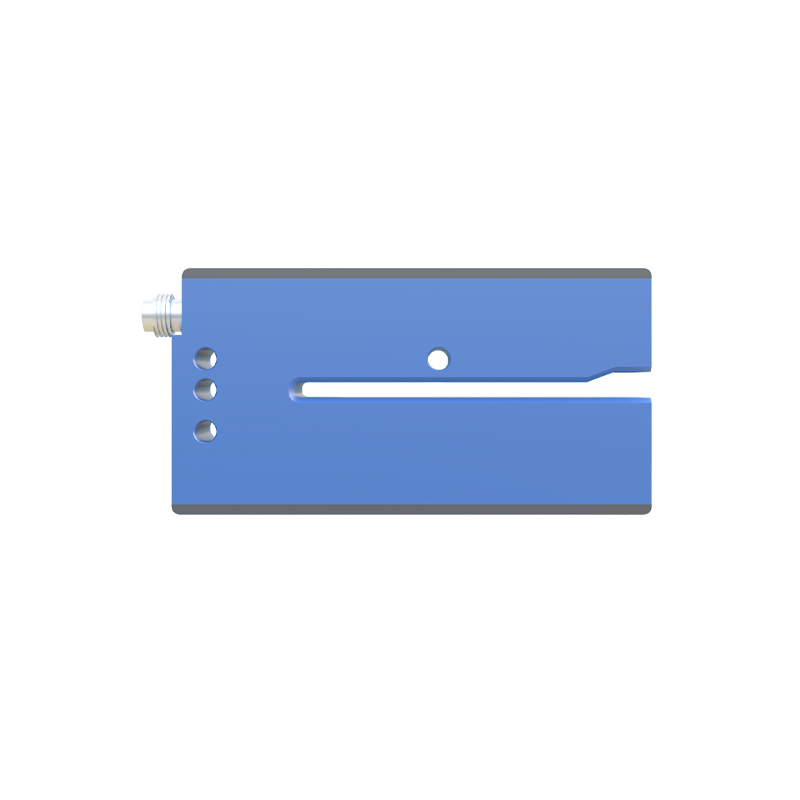
After the basic mode is set, fine-tuning sensitivity is critical for filtering out background noise and ensuring stable detection. Sensitivity adjustment controls the threshold at which the received light signal triggers an output. In dusty environments or with translucent targets, the signal may be weak; increasing sensitivity compensates for this. Conversely, with highly reflective backgrounds, reducing sensitivity prevents false triggers. This adjustment is often performed via a potentiometer or a digital interface. Simultaneously, adjusting the response time is essential. A faster response time is necessary for high-speed production lines but can make the sensor susceptible to electrical noise. A slower response time filters out brief interference but may miss fast-moving objects. The key is to find the slowest acceptable response time that still meets the process speed, thereby maximizing noise immunity.
Implementing Advanced Function Features
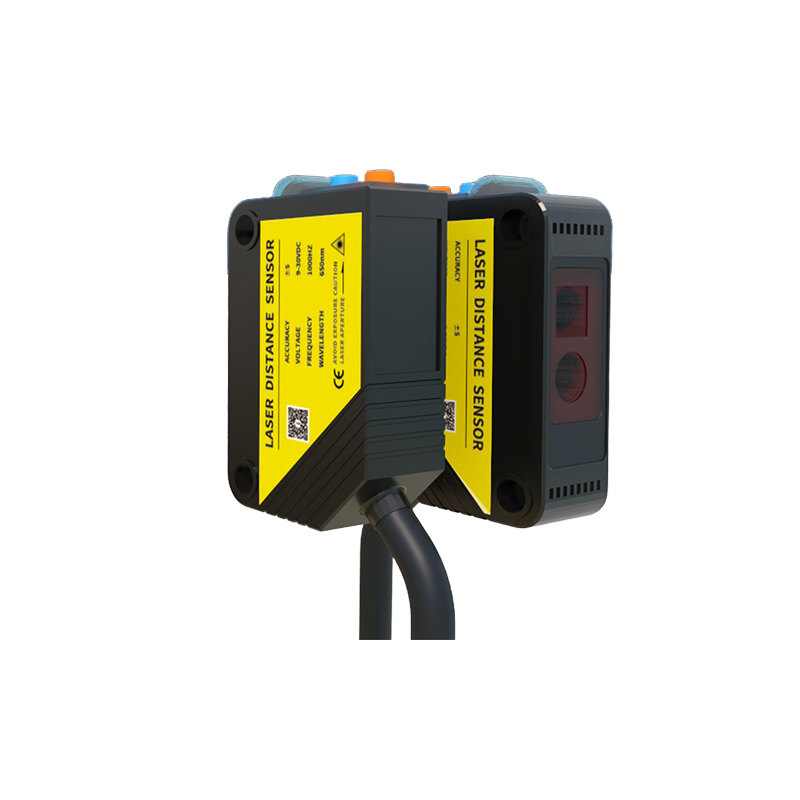
Contemporary photoelectric sensors come equipped with advanced functions that require specific mode adjustments to unlock their full potential. Features like background suppression, foreground suppression, and fixed-field teaching allow for precise detection within a defined window, ignoring objects beyond a set distance. The adjustment for these features is more nuanced. For background suppression, the engineer must carefully set the cutoff distance using a precise target. Timing functions, such as ON-delay or OFF-delay, can also be configured within the sensor's logic mode. These settings dictate how long a detection signal must be present or absent before the output changes, which is vital for debouncing signals or ensuring a detected object is truly in position. Mastering these advanced modes transforms a simple presence detector into an intelligent component of a control system.
Environmental Compensation and Troubleshooting
Even a perfectly configured sensor can falter if environmental factors are not accounted for. Ambient light, particularly from welding arcs or sunlight, can saturate the receiver. Selecting a sensor with a modulated LED light source and adjusting its operating frequency can help mitigate this. For applications with airborne contaminants like dust or mist, periodic cleaning of the lens is necessary, and sensitivity may need to be increased slightly to maintain performance. A systematic troubleshooting approach is vital. If a sensor fails, check the basic alignment and power first, then verify the configured sensing mode and threshold. Use an oscilloscope or the sensor's built-in signal strength indicator to monitor the actual received light level. Often, recalibrating the mode or adjusting the sensitivity in situ resolves issues more effectively than replacing the unit.
Best Practices for Long-Term Stability
Ensuring long-term reliability requires more than a one-time setup. Document all adjustment parameters, including the sensing mode, sensitivity setting, and response time, for each sensor location. This documentation is invaluable for quick recovery after a power loss or component replacement. Implement a regular maintenance schedule to inspect lenses for buildup and verify alignment, especially in environments with vibration. When upgrading a production line, re-evaluate the sensor mode choices; a change in target material or line speed might necessitate switching from a diffuse to a retro-reflective mode, for instance. Finally, always consult the manufacturer's datasheet for mode-specific specifications like minimum object size and exact sensing ranges to ensure the configuration is physically possible. Adherence to these practices guarantees that photoelectric sensors deliver consistent, trouble-free service.