Introduction to Proximity Sensor Manufacturing
The production of proximity sensors is a fascinating blend of precision engineering, automated assembly, and rigorous quality control. These non-contact devices, essential for countless industrial automation, automotive, and consumer electronics applications, are born on highly specialized production lines. This visual guide delves into the key stages of proximity sensor manufacturing, using detailed descriptions of typical production line images to illuminate the process. Understanding this workflow highlights the technological sophistication required to produce reliable, high-performance sensing components.
Stage 1: SMT Assembly and Component Placement
The journey begins in a clean, controlled environment dominated by Surface Mount Technology (SMT) lines. A typical image shows rows of printed circuit boards (PCBs) moving on a conveyor into a solder paste printer. Following this, high-speed pick-and-place machines, with their intricate robotic arms, populate the boards with microscopic resistors, capacitors, and the core integrated circuit—often the sensor's oscillator and signal processing unit. The precision here is microscopic, with placement accuracy critical for the sensor's eventual performance. An infrared or optical inspection station often follows, using cameras to verify component alignment and solder paste deposition before the boards proceed to the reflow oven.
Stage 2: Coil Winding and Core Assembly
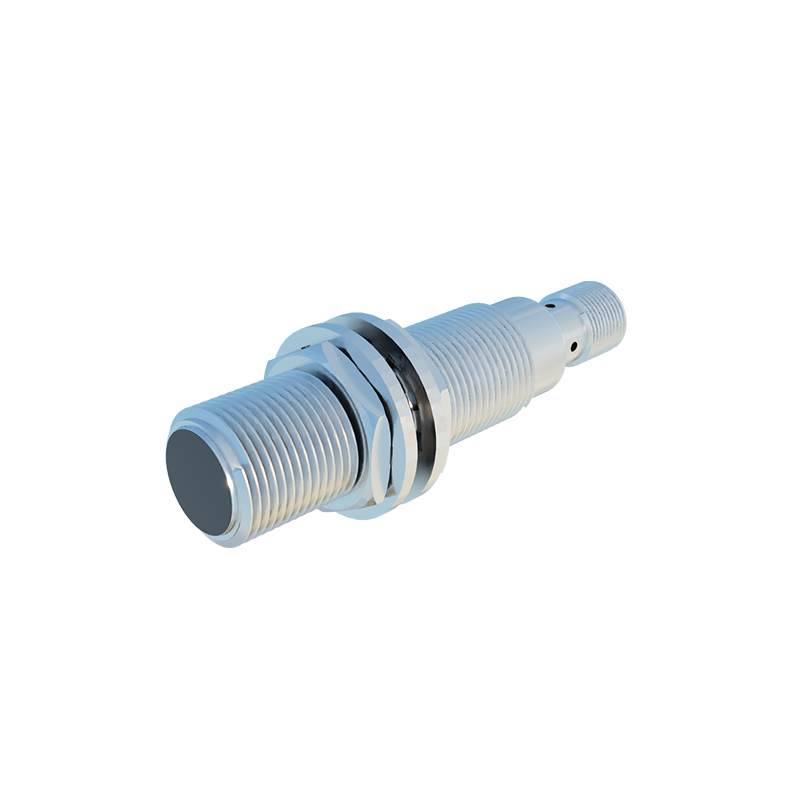
For inductive proximity sensors, the sensing coil is the heart. Production line images in this section showcase automated coil winding machines. These machines precisely wind hundreds of turns of ultra-fine enameled copper wire onto a bobbin or directly onto a ferrite core. Tension, winding pattern, and turn count are all computer-controlled to ensure consistent inductance values. Subsequent images might show the encapsulation of this coil into a protective housing or its integration with the ferrite core and shielding can, preparing it for marriage with the populated PCB.
Stage 3: Housing Molding and Encapsulation

Durability is paramount. Images from this stage depict injection molding machines producing the sensor's rugged housing from engineering plastics like PBT or PPS. These housings are designed to withstand oils, coolants, and physical impact. In parallel, a critical process called potting or encapsulation is often visible. Here, the assembled PCB and coil sub-assembly are placed in a mold, and a liquid polyurethane or epoxy resin is dispensed to completely encase the electronics. This protects against moisture, vibration, and electrical interference. Curing ovens solidify the material, creating a solid, resilient block.
Stage 4: Final Assembly and Laser Marking
The production line converges at the final assembly stations. Robotic arms or automated fixtures are commonly seen inserting the potted sensing element into the molded housing. Connectors (M8, M12, etc.) are screwed or snapped into place, and cables are terminated. A key visual element is the laser marking station. Here, a high-precision laser etches the sensor's model number, serial number, electrical specifications, and compliance logos (CE, UL) directly onto the housing. This provides permanent, legible identification crucial for traceability and installation.
Stage 5: Calibration and Functional Testing
No sensor leaves the line untested. This is arguably the most critical visual segment. Images show banks of sensors plugged into automated test fixtures. These systems perform a suite of checks: calibration of the sensing distance (Sn) using precision metal targets, verification of output switching behavior (PNP/NPN, NO/NC), and tests for supply voltage tolerance and temperature drift. Oscilloscopes and data acquisition systems monitor waveforms and response times. Sensors that pass receive an electronic "pass" stamp in the manufacturing execution system; failures are diverted for analysis.
Stage 6: Packaging and Quality Assurance
The final images on the production line focus on packaging and dispatch. Automated systems or operators place the tested sensors into individual boxes, often with datasheets and mounting accessories. Cartons are then sealed, labeled, and palletized. Throughout the line, quality assurance is visually evident: operators performing random audits, statistical process control charts displayed on monitors, and clearly marked areas for quarantine and rework. This final stage ensures that only products meeting the highest standards reach the customer.
Conclusion: The Symphony of Automation and Precision
A proximity sensor production line is a symphony of coordinated automation, meticulous process control, and human oversight. From the SMT line's silent precision to the robust final testing, each stage is designed for quality and repeatability. These images collectively tell a story of modern industrial manufacturing, where advanced technology works tirelessly to produce the small, intelligent components that form the sensory nervous system of automated systems worldwide.