Introduction to Photoelectric Sensor Emission
Photoelectric sensors operate by emitting a beam of light and detecting changes in the received light signal to sense the presence, absence, or position of an object. The type of light emitted is a fundamental characteristic that significantly influences the sensor's performance, application suitability, and environmental robustness. Unlike simple on/off indicators, the emitted light in these sensors is precisely engineered for detection purposes. The choice of light source determines factors such as sensing range, immunity to ambient light, color sensitivity, and ability to detect specific materials. This article delves into the primary types of light emitted by industrial photoelectric sensors, explaining their properties and typical use cases.
Visible Red Light
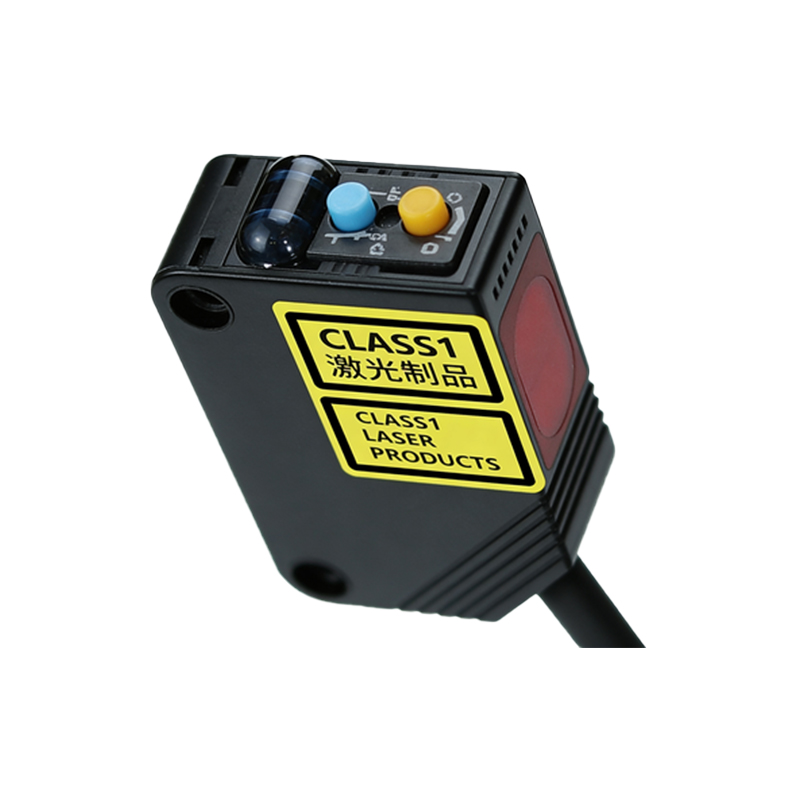
Visible red light, typically from Light Emitting Diodes (LEDs) with wavelengths around 630-670 nanometers, is one of the most common emissions in photoelectric sensors. Its primary advantage is the ease of alignment and setup, as the visible beam spot allows technicians to precisely aim the sensor at the target. This makes installation and troubleshooting straightforward. These sensors are cost-effective and suitable for general-purpose applications where sensing ranges are moderate and ambient light conditions are controlled. They are commonly used in packaging, material handling, and assembly line automation for detecting opaque objects. However, their visibility makes them susceptible to interference from other red light sources, and their performance can degrade in very bright environments.
Infrared Light

Infrared (IR) light, with wavelengths ranging from 850 to 950 nanometers, is invisible to the human eye. This is arguably the most widely used emitted light type in industrial photoelectric sensing. IR sensors offer several key benefits: greater sensing distances compared to visible red light, higher energy efficiency, and excellent immunity to ambient visible light interference. They are the workhorses for through-beam, retro-reflective, and diffuse reflective sensing modes. Applications are vast, including object detection in harsh industrial environments, counting on high-speed conveyors, and presence sensing in machinery. Some advanced IR sensors use modulated or pulsed light to further enhance immunity to ambient light and electrical noise.
Laser Red Light
Laser red light sources produce a highly focused, coherent beam of visible red light, often at wavelengths of 650-670 nm. The key characteristic is an extremely small, precise beam spot. This allows for the detection of very small objects, precise edge detection, and accurate positioning. Laser sensors can achieve very long sensing ranges in a compact housing. They are indispensable in applications requiring high precision, such as semiconductor wafer handling, electronic component assembly, and web guiding systems for thin films or wires. Safety is a consideration, as Class 2 laser products require caution to avoid direct eye exposure, though they are generally safe for incidental viewing.
Background Suppression Sensors with Specialized Emission
This category utilizes specific optical techniques rather than a unique wavelength. Typically using a visible red or infrared LED, these sensors employ triangulation principles. The emitter projects a light spot, and the receiver is positioned at an angle. Only light reflected from a specific distance (the sensing window) is focused onto the receiver. This allows the sensor to ignore objects beyond the set background, such as a conveyor belt or machine wall. They are crucial for detecting objects on a reflective background or ensuring reliable detection at a fixed distance, common in robotic picking and packaging applications.
Fiber Optic Sensors and Light Emission
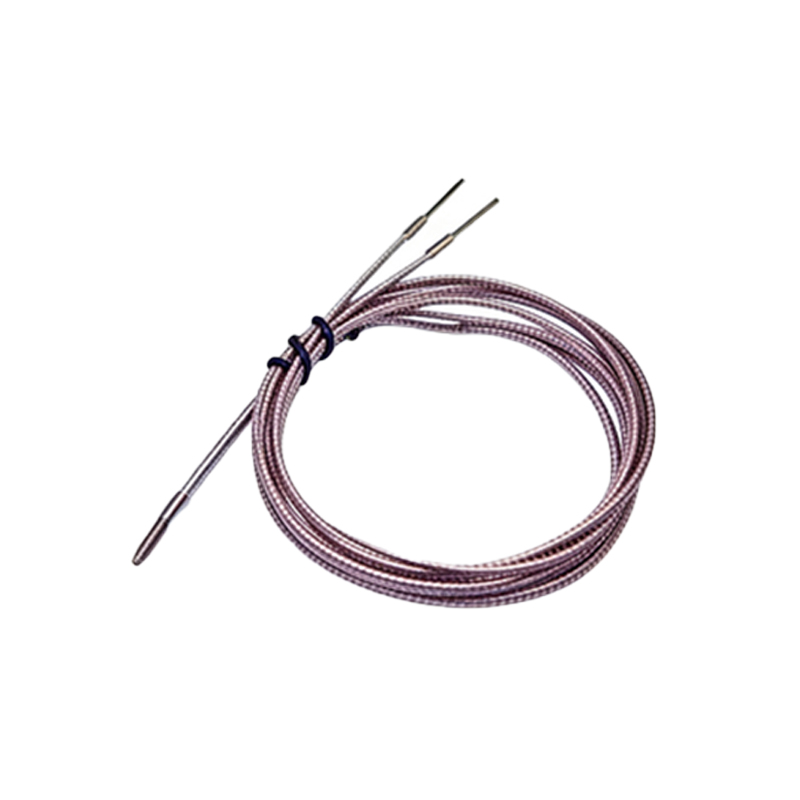
Fiber optic photoelectric sensors separate the amplifier (containing the light source and detector electronics) from the sensing point via flexible or rigid light guides. The amplifier typically houses a standard visible red, infrared, or laser LED. The light is transmitted through one fiber strand and reflected light is received through another (or the same) strand. This allows the sensing head to be extremely small, heat-resistant, and fit into tight spaces where a standard sensor cannot. The emission type is defined by the amplifier's source, but the fiber optic cable enables its application in challenging environments like high-temperature ovens, sterile cleanrooms, or areas with intense electromagnetic interference.
Color Recognition and Contrast Sensors
These advanced sensors often emit multiple wavelengths of light, typically combinations of red, green, and blue (RGB) LEDs. By emitting different colored lights sequentially and analyzing the reflected intensity for each, the sensor can distinguish between colors, shades, or contrasts. This is vital in sorting applications (e.g., recycling, pharmaceutical packaging), label verification, and detecting marks or prints on products. The emitted light is precisely controlled to provide consistent illumination for accurate color or contrast analysis independent of minor ambient light changes.
Selecting the Appropriate Emitted Light Type
Choosing the correct emitted light is critical for optimal sensor performance. For easy setup and general use, visible red is ideal. For long range, reliability, and immunity to ambient light, infrared is the default choice. When precision and a small beam spot are paramount, laser red is necessary. For ignoring distant backgrounds, a background suppression model is required. In hostile environments or tight spaces, fiber optics with a suitable light source provide the solution. Finally, for tasks involving color or contrast differentiation, sensors with specialized RGB emission are essential. Understanding the properties of each emitted light type ensures a successful and robust sensing application.