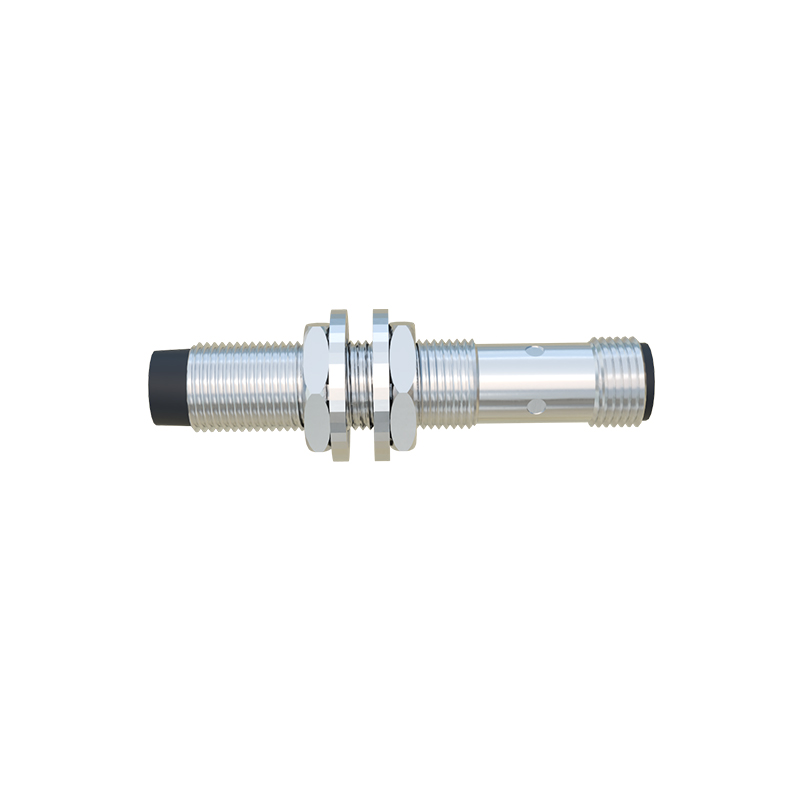
In the seamless dance of modern technology, where devices respond to our presence without a touch, lies the silent workhorse: the proximity sensor. This unassuming component, often no larger than a grain of rice, is a cornerstone of contemporary electronics, enabling intuitive interactions and enhancing safety across countless applications. At its core, a proximity sensor detects the presence or absence of a nearby object without any physical contact, typically emitting an electromagnetic field or a beam of radiation and looking for changes in the field or return signal.
The principle of operation varies, leading to several dominant types. Inductive proximity sensors are the stalwarts of industrial automation. They generate an oscillating electromagnetic field and detect the eddy current losses caused when a metallic object enters this field. Robust, reliable, and unfazed by dirt or oil, they are indispensable for counting metal parts, determining positions on conveyor belts, and as safety interlocks on machinery. For non-metallic targets—liquids, powders, wood, or plastic—capacitive sensors take the lead. These sensors can detect almost any material by measuring changes in capacitance, which alters when an object enters their electrostatic field. You'll find them in applications ranging from level detection in silos to touch-sensitive buttons.
In consumer electronics, the optical proximity sensor reigns supreme. This type typically pairs an infrared (IR) LED emitter with a photodiode receiver. The IR light beam is projected outward; if an object is close enough, the light reflects back to the photodiode, signaling presence. This is the technology that dims your smartphone screen during a call to save power and prevent accidental cheek-presses. Ultrasonic sensors represent another major category, using sound waves beyond human hearing. They calculate distance by measuring the time delay between emitting a sonic pulse and receiving its echo. This makes them excellent for harsh environments where optical sensors might struggle with dust or fog, applied in parking assist systems, tank level monitoring, and robotics.
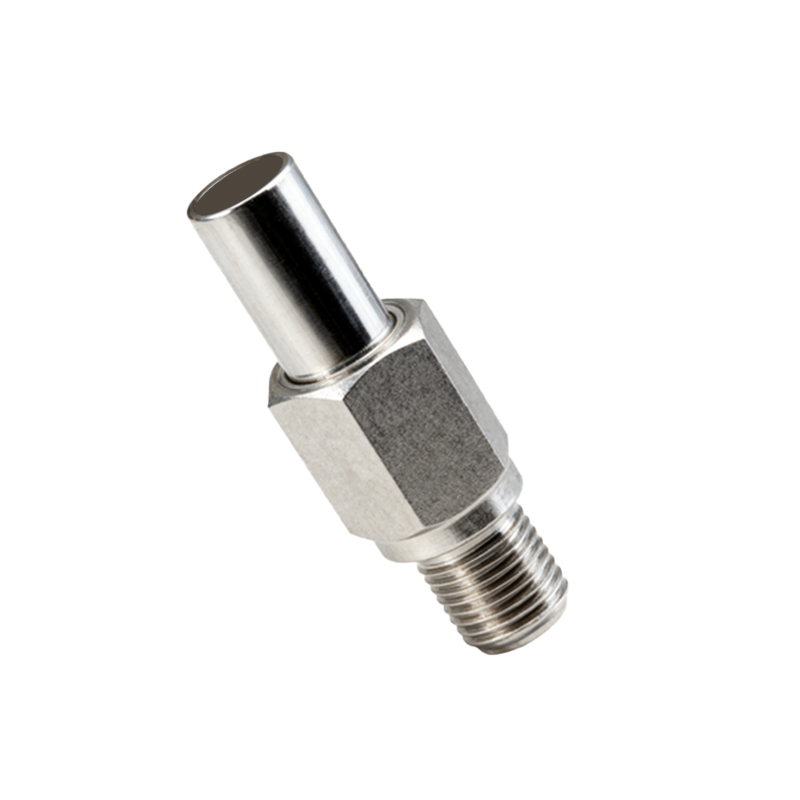
The integration of proximity sensing technology is profoundly transformative. In automotive safety, arrays of these sensors form the sensory skin of Advanced Driver-Assistance Systems (ADAS). They enable blind-spot detection, automatic emergency braking, and parking assistance, creating a safety net around the vehicle. Within the smart home, proximity sensors bring an element of anticipation and efficiency. They automate lighting in hallways, conserve water in touchless faucets, and manage paper flow in smart printers. Industrial robotics relies on them for precise positioning and safe human-robot collaboration, where sensors can trigger an immediate slowdown or halt if a worker gets too close.
The evolution continues with miniaturization and enhanced intelligence. Modern sensors integrate digital interfaces like I2C, providing not just a simple on/off signal but detailed distance data. Fusion with other sensors, such as ambient light detectors, creates more context-aware systems. Future trajectories point towards even smaller form factors, lower power consumption for always-on IoT devices, and improved material discrimination.
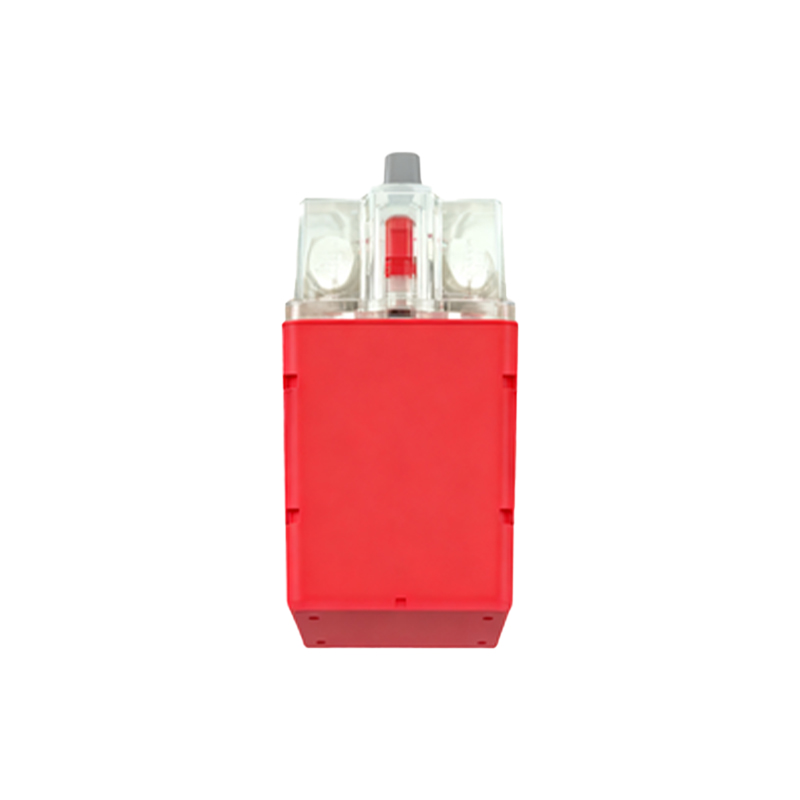
Despite their sophistication, challenges persist. Optical sensors can be confused by highly reflective or absorbent surfaces. Ultrasonic sensors may have cross-talk in crowded environments. Inductive sensors are limited to metals. Therefore, selecting the right sensor is a critical engineering decision, balancing factors like target material, required sensing range, environmental conditions, response speed, and cost.
From the moment you pick up your phone to the automated production line building your car, proximity sensors are tirelessly at work. They are a fundamental enabling technology, bridging the physical and digital worlds. By providing machines with a basic sense of their immediate surroundings, they create interactions that feel natural, seamless, and safe. As we move towards more interconnected and intelligent environments, the role of these invisible sentinels will only expand, quietly but decisively shaping the functionality and responsiveness of the technology that defines our daily lives.