In the world of industrial automation and smart systems, proximity switch sensors are the silent, reliable sentinels. These non-contact electronic devices detect the presence or absence of an object within a specific range without any physical touch. Their ability to perform in harsh environments, provide high-speed response, and offer exceptional longevity makes them indispensable across countless sectors, from manufacturing assembly lines to modern consumer electronics.
At their core, proximity sensors operate on various physical principles. The most prevalent types include inductive, capacitive, ultrasonic, and photoelectric sensors. Inductive proximity sensors are the workhorses of metal detection. They generate an electromagnetic field and react to changes caused by a metallic target entering this field. This makes them perfect for counting metal parts, detecting piston position in cylinders, or serving as limit switches in machinery. They are robust, resistant to dirt and moisture, and ideal for heavy industrial settings.
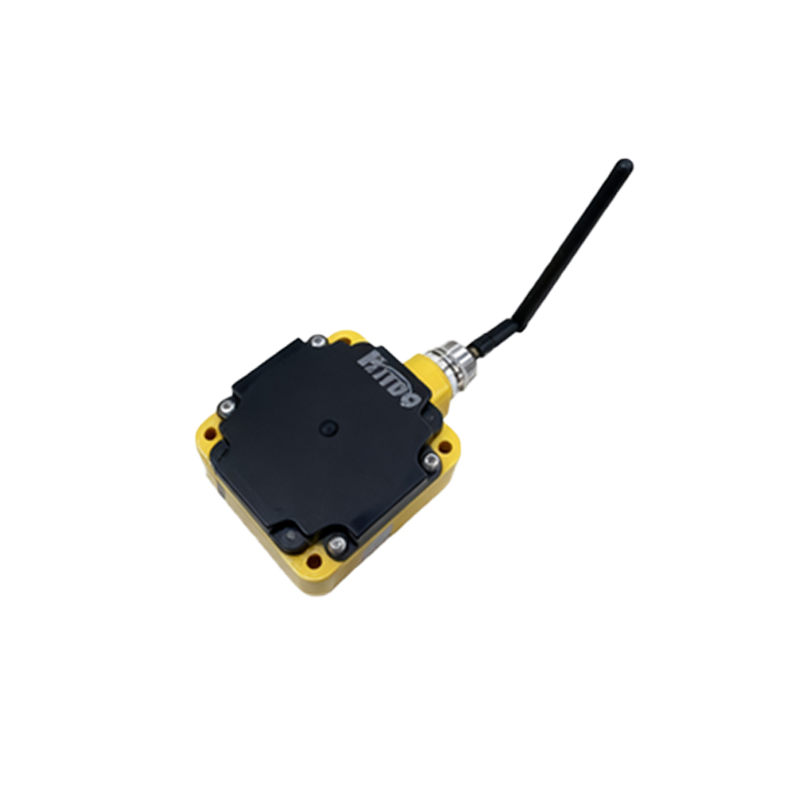
Capacitive proximity sensors, on the other hand, can detect both metallic and non-metallic materials like plastic, wood, glass, and liquids. They function by sensing changes in capacitance caused by the target object altering the sensor's electrostatic field. This versatility allows them to be used for level detection in tanks (e.g., monitoring liquid or granulate levels), detecting filled bottles on a conveyor, or even as touch-sensitive switches.
For applications requiring longer detection ranges or challenging environmental conditions, ultrasonic sensors emit high-frequency sound waves and measure the time it takes for the echo to return. They excel at distance measurement, object presence detection regardless of color or material transparency, and are commonly used in parking assistance systems, palletizing robots, and liquid level control in opaque containers.
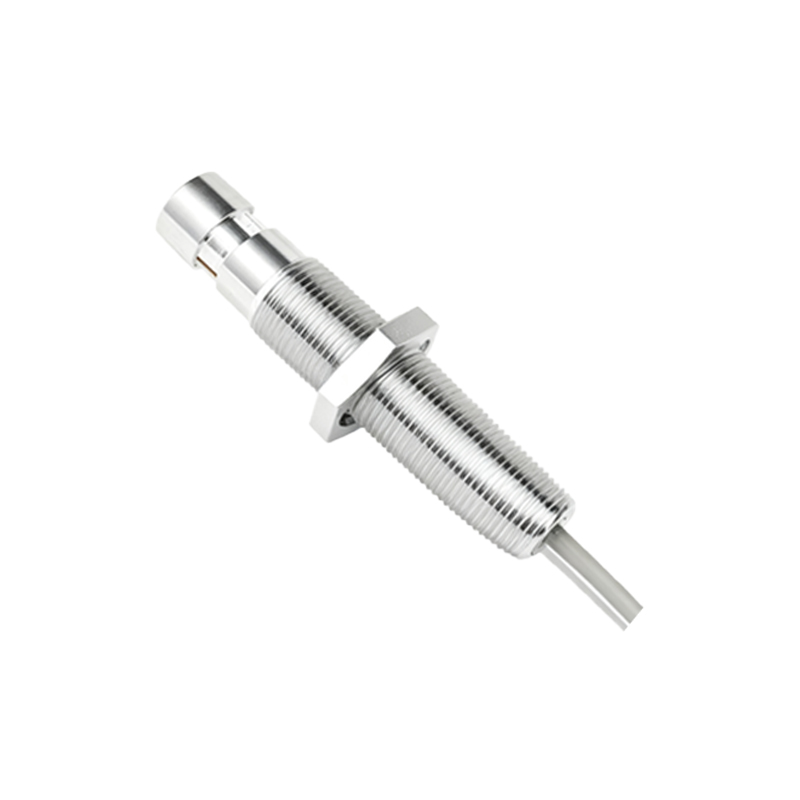
Photoelectric sensors use a beam of light (visible, infrared, or laser) to detect objects. They come in through-beam, retro-reflective, and diffuse reflective models. Through-beam types, with separate emitter and receiver units, offer the longest range and highest reliability. Diffuse sensors house both elements in one unit, detecting light reflected directly from the target. These sensors are crucial for detecting small objects, precise positioning, and in clean environments like packaging or pharmaceutical production.
The selection of the right proximity sensor is critical for system efficiency. Key parameters to consider include the sensing distance (rated operating distance), the target material and size, the required output type (e.g., NPN/PNP transistor, analog), environmental factors like temperature, humidity, and potential exposure to chemicals, and the required response speed and switching frequency. For instance, an inductive sensor is useless for detecting a cardboard box, just as a standard photoelectric sensor may struggle in a dusty foundry.
Installation and wiring are straightforward but demand attention. Proper mounting, ensuring adequate clearance from metal surfaces (for inductive types), and correct shielding are essential to avoid false triggers. Regular maintenance, though minimal, involves keeping the sensing face clean and checking for physical damage.
Looking ahead, the integration of proximity sensors with Industrial Internet of Things (IIoT) platforms is a growing trend. Modern sensors come with IO-Link communication, enabling detailed diagnostics, parameter setting, and process data monitoring directly from a control system. This connectivity paves the way for predictive maintenance and smarter, more adaptive production lines.
In conclusion, proximity switch sensors are fundamental components that bridge the physical and digital worlds in automated systems. Understanding their distinct operating principles, capabilities, and limitations is the first step toward designing reliable, efficient, and innovative solutions. Whether it's ensuring a robotic arm picks up a component accurately, a garage door stops before hitting an obstacle, or a machine safely halts when a guard is opened, these devices provide the essential "sense of touch" for modern technology.