Laser sensor switches represent a significant advancement in automation and control technology. Unlike traditional mechanical switches or basic photoelectric sensors, these devices utilize focused laser beams to detect objects, measure distances, or trigger actions with exceptional precision. The core principle involves emitting a coherent, narrow beam of light toward a target. A receiver, either built into the same housing or positioned separately, detects the presence or absence of this beam. An interruption or reflection of the beam, depending on the sensing mode, causes the sensor's output to change state, effectively acting as a switch.
There are two primary operational modes: through-beam and reflective. In the through-beam (or opposed) mode, the emitter and receiver are separate units facing each other. An object passing between them breaks the beam, triggering the switch. This mode offers the longest sensing ranges and highest reliability, as it is less affected by the object's color, texture, or reflectivity. The reflective mode, sometimes called retro-reflective, houses both emitter and receiver in one unit. It detects an object when the laser beam reflects off the target and returns to the receiver. For shorter ranges, a diffuse reflective mode uses the object itself to scatter light back to the receiver.
The advantages of laser sensor switches are numerous. Their pinpoint accuracy allows for the detection of extremely small objects or precise positioning that would be impossible with other methods. The focused beam minimizes interference from ambient light or background objects, ensuring stable operation even in challenging industrial environments. Furthermore, they offer very fast response times, making them ideal for high-speed production lines, packaging machinery, and robotics where milliseconds count. Their non-contact nature means no physical wear and tear, leading to minimal maintenance and long operational life.

Applications for laser sensor switches are vast and varied. In manufacturing, they are indispensable for part presence verification, counting, edge detection on web materials, and ensuring correct product positioning on assembly lines. The logistics and material handling sector uses them for pallet detection, conveyor belt control, and height measurement in automated storage systems. They play a critical role in safety, forming invisible guarding barriers around dangerous machinery—if the beam is broken, the machine halts immediately. Emerging uses include precision agriculture for crop monitoring and even consumer electronics, where they can enable touchless interfaces.
When selecting a laser sensor switch, several factors must be considered. The required sensing range is paramount; through-beam sensors work over distances of tens of meters, while diffuse reflective types are suited for shorter ranges. The size, color, and material of the target object influence the choice, as dark or absorbent materials can be challenging for reflective models. Environmental conditions like dust, fog, or strong ambient light require sensors with appropriate ingress protection (IP) ratings and robust housing. Output type (e.g., NPN, PNP, analog, or digital) must be compatible with the existing control system, such as a PLC.

Installation and alignment are critical steps. For through-beam systems, precise alignment of the emitter and receiver is necessary to ensure the beam is correctly intercepted. Many modern sensors feature visible red laser beams or alignment indicators to simplify this process. Reflective sensors must be angled correctly to receive the return signal. Regular cleaning of the lens is recommended to prevent dust buildup from attenuating the beam. While generally reliable, understanding potential pitfalls like sensing a shiny object at an angle (which might reflect the beam away from the receiver) is key to successful implementation.
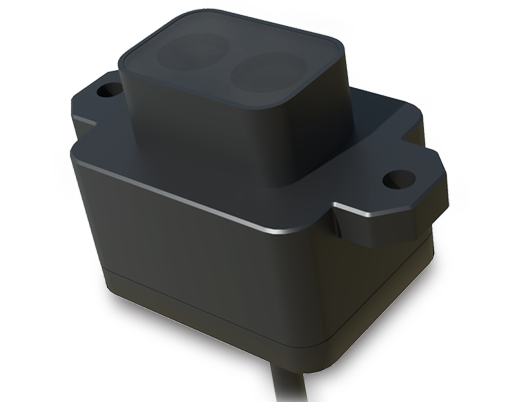
Looking ahead, the integration of laser sensor switches with Industrial Internet of Things (IIoT) platforms is a growing trend. Smart sensors with built-in diagnostics, Ethernet connectivity, and data logging capabilities provide valuable insights into production processes and predictive maintenance needs. Advances in laser diode technology continue to make these sensors more compact, energy-efficient, and cost-effective, broadening their adoption across even more industries.
In summary, laser sensor switches are a versatile, precise, and reliable solution for modern automation challenges. By converting the presence or absence of a focused light beam into a clear electrical signal, they enable sophisticated control and safety functions that drive efficiency and innovation in countless applications.