Introduction to Photoelectric Proximity Sensors
Photoelectric proximity sensors are indispensable components in modern industrial automation, offering non-contact detection of objects through the use of light beams. Their ability to sense a wide variety of materials, including glass, plastic, metal, and liquids, makes them incredibly versatile. These sensors operate by emitting a beam of light—visible red, infrared, or laser—and detecting changes in the received light intensity or the time-of-flight. Key performance parameters include sensing range, response time, environmental resistance (to dust, water, and ambient light), and output type. Selecting the right brand is not merely a procurement decision; it is a strategic choice impacting system reliability, maintenance costs, and production uptime. This guide provides a detailed ranking and analysis of leading brands based on technological innovation, product portfolio breadth, global support, and industry reputation.
Criteria for Evaluating Top Brands
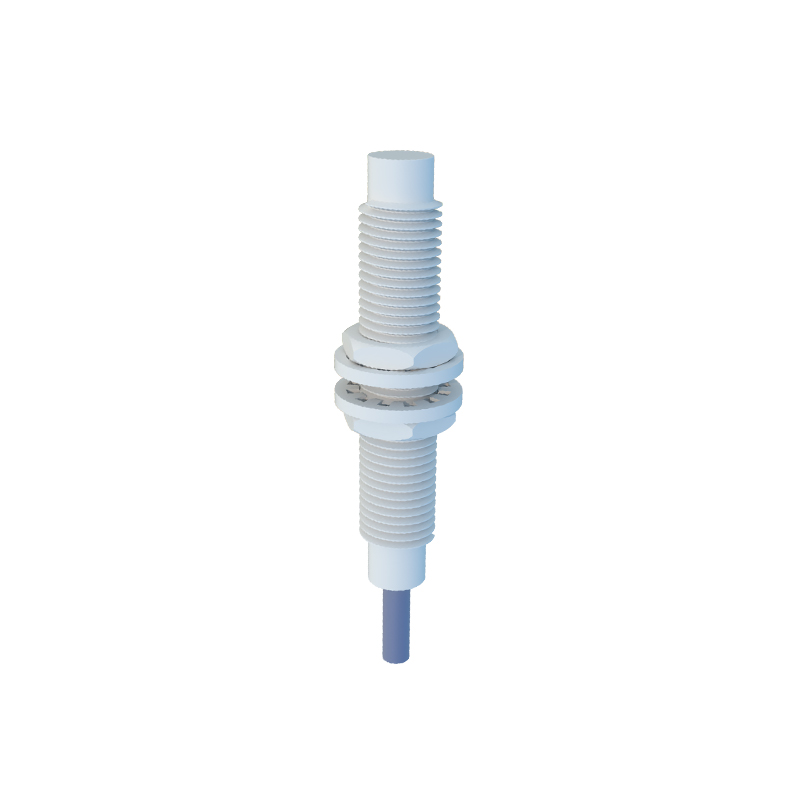
Before delving into the rankings, it's crucial to understand the evaluation framework. The assessment is based on several core pillars. First, Technological Innovation and Precision: Leaders invest heavily in R&D to push boundaries in sensing distance, resolution, and immunity to environmental interference. Second, Product Range and Specialization: A top brand offers a comprehensive portfolio, from standard diffuse and retro-reflective models to advanced background suppression, fiber optic, and long-range sensors. Third, Global Support and Reliability: A robust global distribution network, comprehensive technical documentation, and reliable after-sales service are non-negotiable for mission-critical applications. Finally, Industry Adoption and Reputation: A strong track record across diverse sectors like automotive, packaging, food & beverage, and logistics serves as a powerful testament to a brand's quality and durability.
Top Tier: The Established Global Leaders
This tier is reserved for brands that set the global standard, combining deep engineering heritage with continuous innovation. SICK AG (Germany) consistently ranks at the pinnacle. Renowned for its ruggedness, precision, and extensive range, SICK sensors are the benchmark in demanding environments. Their portfolio includes everything from miniature sensors to sophisticated multi-channel systems and safety light curtains. Keyence Corporation (Japan) is another undisputed leader, famous for its ultra-high-performance and often feature-rich sensors. Keyence excels in advanced technologies like CMOS laser sensors and confocal models, offering exceptional accuracy and innovative setup tools, though often at a premium price point. Omron Corporation (Japan) completes this top tier with its unparalleled balance of reliability, vast product selection, and strong value proposition. Omron's sensors are known for their durability and ease of use, backed by one of the industry's most extensive global support networks.
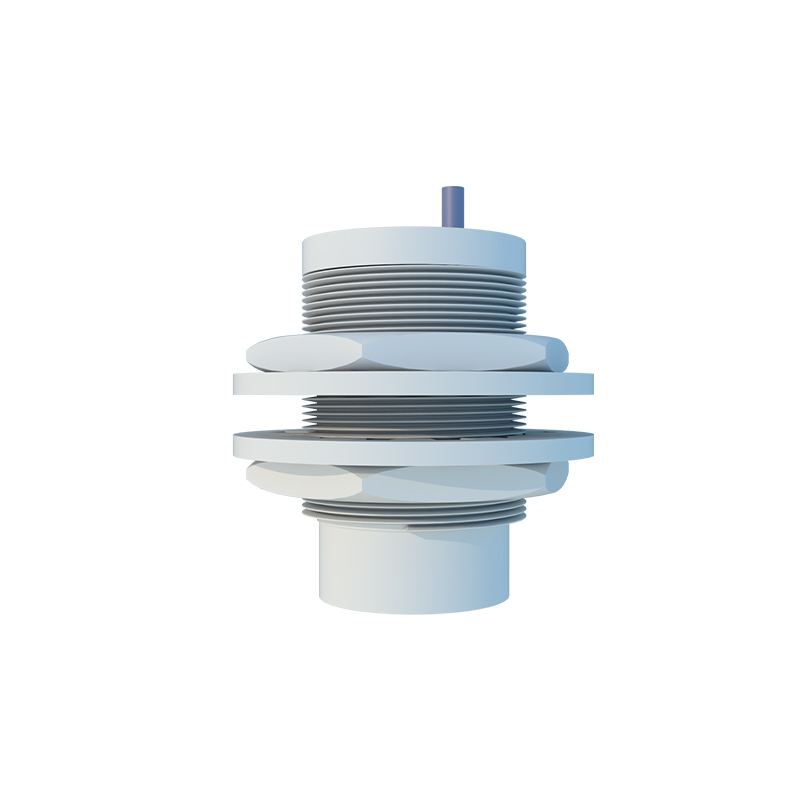
Second Tier: Strong Specialists and Challengers
Brands in this tier are highly respected and often dominate specific niches or regions with excellent products. Balluff GmbH (Germany) is a powerhouse, particularly in factory automation and intralogistics. They offer highly innovative designs, such as multi-color indication and IO-Link smart sensors, and are praised for their mechanical robustness. Pepperl+Fuchs (Germany) is a global specialist in sensor technology, with particular strength in hazardous areas and challenging conditions. Their photoelectric sensors are known for exceptional quality and a wide variety of housing designs for specific applications. Banner Engineering Corp. (USA) is a major force, especially in the Americas. Banner is celebrated for its user-friendly design, robust construction, and strong application engineering support, making them a preferred choice for many OEMs and end-users.
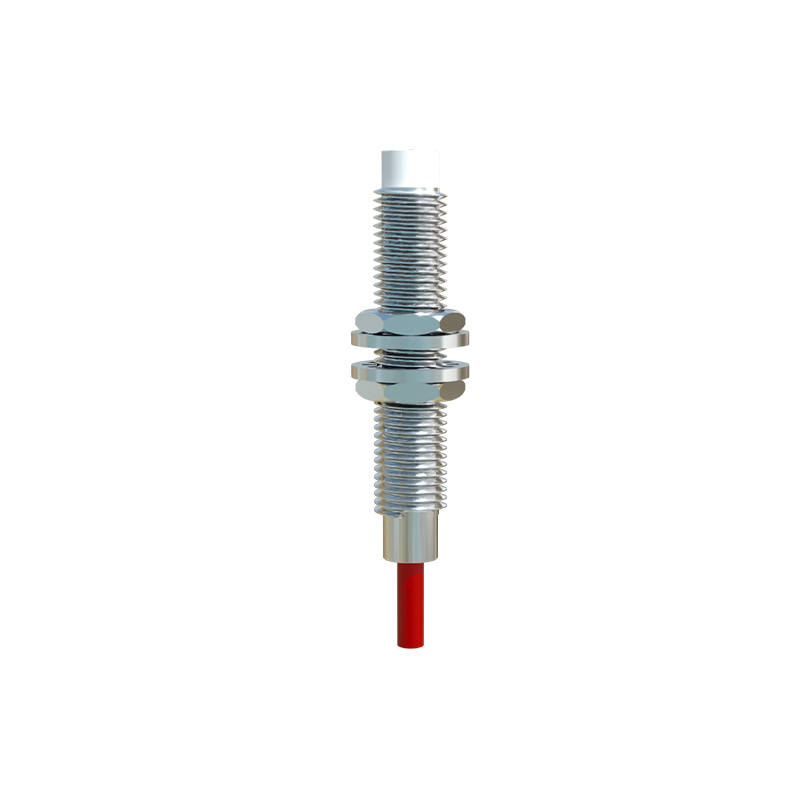
Third Tier: Reliable Value-Oriented Providers
This tier comprises brands that offer solid, reliable performance at competitive price points, making automation accessible for a broader range of applications. Autonics Corporation (Korea) has gained significant market share with a wide array of cost-effective sensors that deliver good performance for standard applications. IFM Electronic GmbH (Germany), while also strong in other sensor families, provides a competent range of photoelectric sensors known for their diagnostic capabilities and integration into IIoT systems via IO-Link. Rockwell Automation (Allen-Bradley) (USA) and Siemens AG (Germany) are included here primarily for their systems approach. Their photoelectric sensors are designed to integrate seamlessly into their respective PLC and control ecosystems, offering convenience for customers already invested in their automation architecture.
Emerging Trends and Future Outlook
The photoelectric sensor market is dynamically evolving. The integration of IO-Link is becoming standard, transforming simple sensors into smart devices that provide rich diagnostic data, parameterization, and condition monitoring. This is a critical step towards Industry 4.0. Furthermore,