Introduction to Photoelectric Sensing Technology
Photoelectric sensors are fundamental components in modern industrial automation, particularly in material handling and sorting systems. These devices operate by emitting a beam of light, typically from an LED or laser source, and detecting changes in the received light signal. The core principle involves the interruption, reflection, or modulation of this light beam by a target object. This non-contact detection method offers significant advantages over mechanical switches, including higher speed, longer operational life, and the ability to sense a wide variety of materials regardless of surface texture, color, or composition. Common types include through-beam, retro-reflective, and diffuse reflective sensors, each suited for specific sensing challenges in sorting applications. Their reliability and precision make them indispensable for creating efficient, high-throughput automated lines.
Core Components of a Photoelectric Sorting System
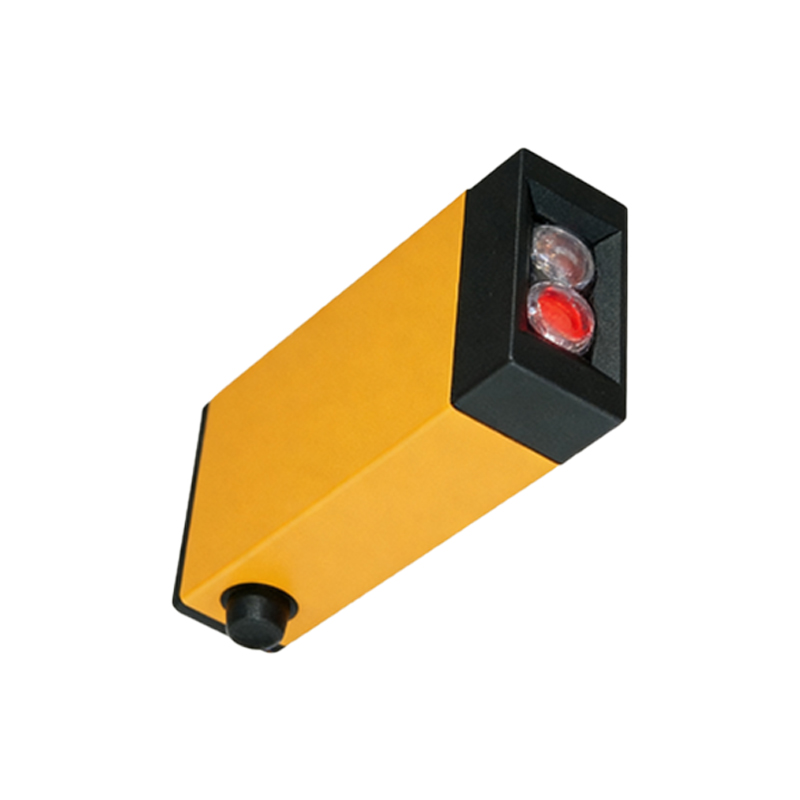
A robust photoelectric sorting system integrates several key elements beyond the sensor itself. The sensing head is the frontline component, housing the emitter and receiver. Modern sensors often feature advanced optics and built-in amplifiers for signal processing. The control unit, typically a Programmable Logic Controller (PLC) or a dedicated sorting controller, interprets the sensor's digital or analog signal. Based on pre-programmed logic, it triggers actuators such as pneumatic pushers, diverter arms, or drop trays. Conveyor systems provide the material transport, with sensor positioning critical for accurate detection timing. Finally, a human-machine interface (HMI) allows operators to monitor system performance, adjust parameters like sensitivity, and diagnose faults, ensuring seamless integration into the broader production environment.
Design Considerations for Optimal Sorting Accuracy
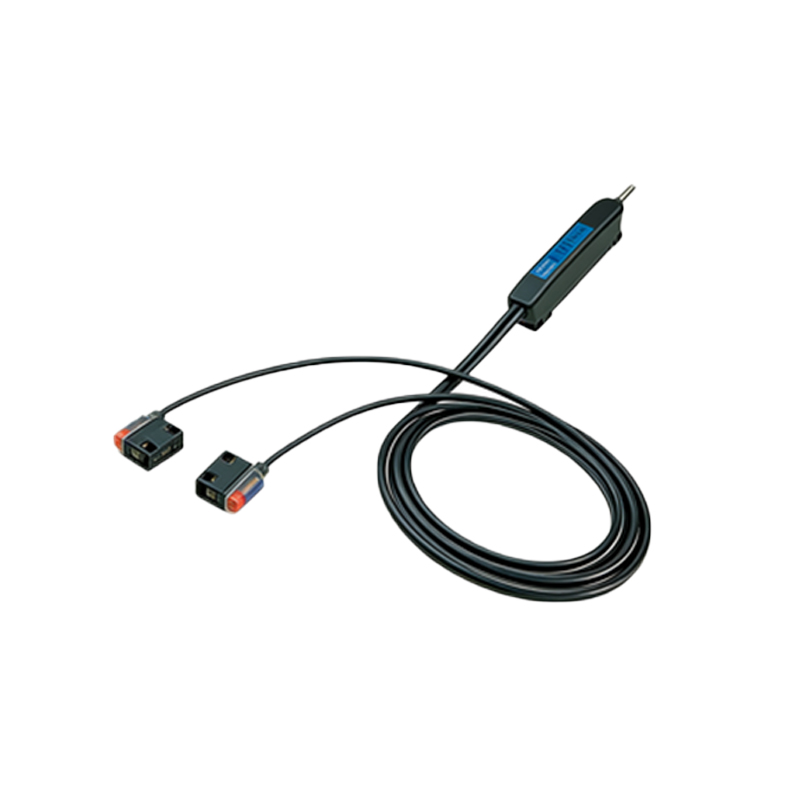
Achieving high sorting accuracy requires meticulous system design. Sensor selection is paramount; through-beam sensors offer the longest range and highest reliability for clear detection, while diffuse sensors are ideal for detecting objects at close range without a reflector. The sensing distance, beam spot size, and response time must be matched to the object's size, speed, and required precision. Environmental factors like ambient light, dust, moisture, and vibration must be mitigated through proper housing (IP ratings) and the use of modulated light signals to prevent false triggers. The placement angle and mounting stability are critical to ensure the beam interacts consistently with each target. Furthermore, integrating multiple sensors in an array can allow for shape profiling or barcode reading, enabling more complex sorting criteria beyond simple presence detection.
Implementation in Color and Contrast-Based Sorting
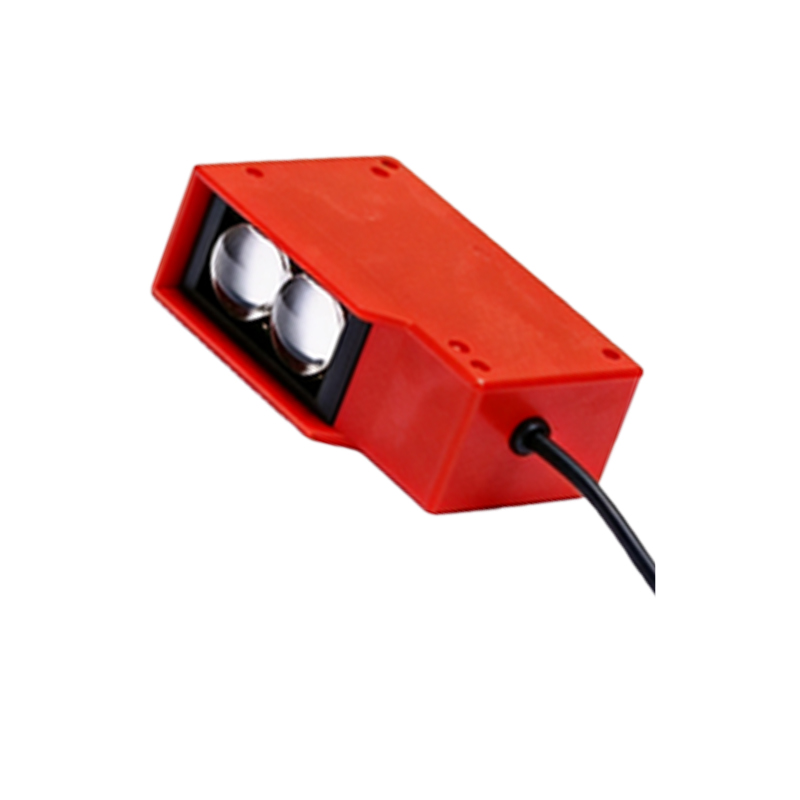
Photoelectric sensors excel in sorting tasks based on color, contrast, or luminescence. Color sensors use RGB (Red, Green, Blue) recognition to distinguish between objects with different spectral reflections. They are calibrated to a reference color and can sort items like recyclable plastics, agricultural products, or pharmaceutical capsules with remarkable consistency. Contrast sensors, on the other hand, detect differences in light intensity reflected from a surface. They are exceptionally effective for label detection, package orientation checks, or sorting components based on surface finish. These sensors allow for high-speed, non-invasive inspection, replacing manual visual checks and significantly reducing error rates in packaging and assembly lines.
Overcoming Challenges in Complex Sorting Environments
Industrial environments present challenges such as detecting transparent objects, shiny metallic surfaces, or irregularly shaped items. For transparent materials like glass or plastic films, polarized retro-reflective sensors or through-beam sensors with precise alignment are necessary to reliably detect the clear target. For highly reflective surfaces, diffuse sensors with background suppression technology are employed; they measure the angle of the reflected light rather than its intensity, ignoring the distant, shiny background. Dealing with varying object heights or overlapping items on a conveyor may require the use of background suppression sensors or the strategic implementation of light grids and curtain sensors to create a precise detection zone, ensuring only the intended object triggers the sorting mechanism.
Integration with Industry 4.0 and Data Analytics
The evolution of photoelectric sensors aligns with Industry 4.0 trends. Modern "smart sensors" feature IO-Link communication, enabling bidirectional data exchange. This allows for remote configuration, real-time monitoring of device health (like lens contamination or LED aging), and predictive maintenance alerts, minimizing unplanned downtime. Sensor data on count rates, sorting errors, and cycle times can be aggregated by the PLC and fed into Manufacturing Execution Systems (MES) or cloud platforms. This data analytics layer provides insights into line efficiency, product quality trends, and potential bottlenecks, enabling continuous process optimization and supporting data-driven decision-making for overall equipment effectiveness (OEE) improvement.
Maintenance and Troubleshooting Best Practices
To ensure long-term reliability, a proactive maintenance regimen is essential. Regular cleaning of sensor lenses with appropriate materials prevents false signals caused by dust or grime buildup. Periodic verification of alignment, especially for through-beam systems, is crucial as conveyor vibration can cause drift. Technicians should routinely check the sensitivity settings and perform functional tests using standard test targets. Common issues include constant "on" or "off" signals, which may stem from misalignment, faulty wiring, power supply problems, or environmental interference. Understanding the sensor's status indicators (like stable vs. fluctuating LED signals) is key to rapid troubleshooting. Keeping a log of sensor performance and replacement intervals also aids in lifecycle management.
Future Trends and Advancements
The future of photoelectric sensing in sorting is marked by increased intelligence and miniaturization. Sensors with integrated machine vision capabilities are emerging, combining simple presence detection with basic shape or pattern recognition. There is a growing use of laser-based sensors for extremely precise positioning and measurement as part of the sorting decision. Furthermore, the development of sensors resistant to harsh washdown environments supports expansion into food and pharmaceutical industries. As communication protocols evolve, sensors will become even more deeply integrated into networked, adaptive systems capable of self-optimization based on real-time production data, pushing the boundaries of sorting speed, flexibility, and accuracy.