Introduction to Photoelectric Proximity Sensors
Photoelectric proximity sensors are versatile and widely used devices in industrial automation and control systems. They operate on the principle of using light to detect the presence, absence, or distance of an object without any physical contact. These sensors emit a beam of light, typically infrared, visible red, or laser light, and then analyze the reflected or interrupted light beam to determine the object's status. Their non-contact nature makes them ideal for applications where physical touch could damage the object or the sensor itself, such as in delicate manufacturing processes, packaging lines, and material handling. The core advantage lies in their ability to detect a wide variety of materials, including glass, plastic, metal, and liquids, over relatively long distances compared to other proximity sensor types like inductive or capacitive sensors.
Core Operating Principles
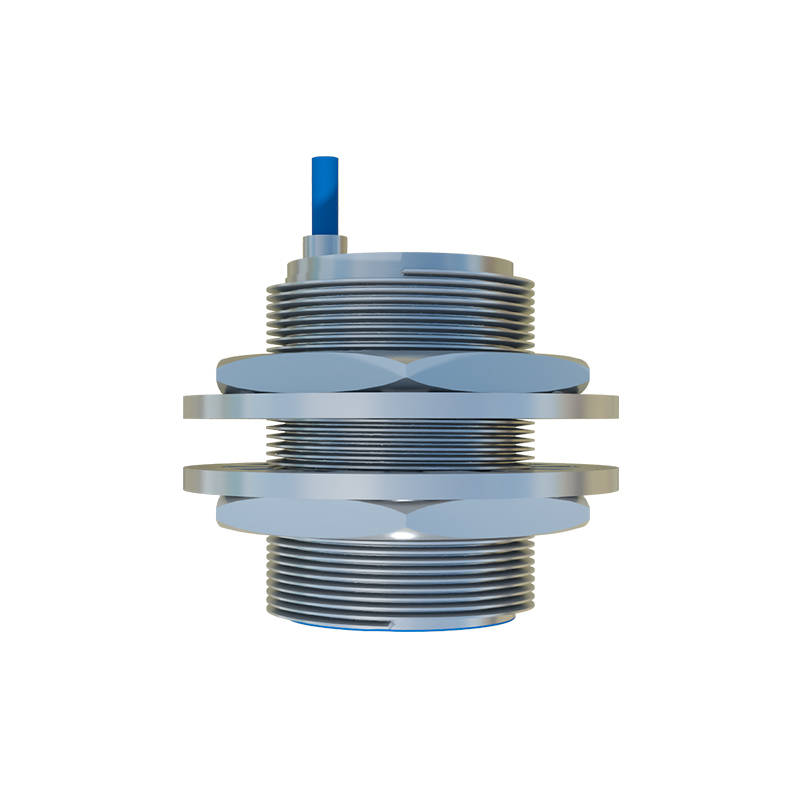
The functionality of photoelectric sensors is based on three primary operational modes: through-beam, retro-reflective, and diffuse reflective. In the through-beam mode, also known as the opposed mode, the emitter and receiver are housed in two separate units placed opposite each other. Detection occurs when the transmitted light beam is broken by an object passing between them. This mode offers the longest sensing range and highest reliability, as it is less affected by the object's color, texture, or reflectivity. The retro-reflective mode uses a single housing containing both the emitter and receiver. It projects light onto a specialized reflector, which bounces the beam directly back to the receiver. An object is detected when it interrupts this return path. This setup simplifies installation while maintaining a good sensing distance. Finally, the diffuse reflective mode, or proximity mode, relies on the reflection of light directly from the target object itself. The emitter and receiver are in the same unit, and detection is based on the intensity of the light reflected back. This mode is highly dependent on the object's color and surface properties, with lighter, more reflective surfaces being easier to detect.
Key Components and Technology
The internal architecture of a photoelectric sensor is sophisticated yet robust. The primary components include a light-emitting element, a photodetector, and signal processing circuitry. The light source is commonly a Light Emitting Diode (LED) due to its long life, low heat generation, and fast response time. Infrared LEDs are prevalent for their invisibility and resistance to ambient light interference, while red LEDs and laser diodes are used for precise positioning and longer-range applications. The photodetector, usually a phototransistor or photodiode, converts the received light intensity into an electrical signal. Advanced signal processing circuits then filter this signal to distinguish it from background ambient light, a feature known as background suppression. Modern sensors often incorporate digital logic and programmable functions, allowing users to set sensitivity thresholds, timers, and output modes (e.g., NPN/PNP, NO/NC) to suit specific application needs.
Advantages Over Other Sensor Types
Photoelectric sensors offer distinct benefits that make them superior in many scenarios. Their primary strength is the extended sensing range, which can vary from a few centimeters to several tens of meters, depending on the model and mode. They are not limited to detecting metallic objects, unlike inductive sensors, making them indispensable in diverse industries. Their response time is extremely fast, enabling high-speed counting and inspection tasks on fast-moving production lines. Furthermore, they are less susceptible to environmental factors like dust and dirt when properly selected and installed, with some models featuring pressurized air purging or special housings for harsh conditions. The ability to detect transparent objects, such as glass or clear plastic, by using polarized light filters is another unique capability not found in most capacitive or ultrasonic sensors.
Common Industrial Applications
The application spectrum for photoelectric proximity sensors is vast. In manufacturing, they are crucial for object detection on conveyor belts, part positioning in assembly robots, and jam detection in machinery. In packaging, they ensure correct bottle cap placement, label verification, and product counting. The logistics and material handling sector uses them for palletizing, warehouse automation, and door control systems. They are also fundamental in the food and beverage industry for liquid level detection in transparent containers and in the pharmaceutical industry for precise pill counting and packaging. Safety systems, such as light curtains that protect workers from hazardous machine movements, are also built on arrays of photoelectric sensors. Their versatility ensures their presence in nearly every automated process.
Selection Criteria and Installation Tips
Choosing the right photoelectric sensor requires careful consideration of several factors. The first is the sensing mode (through-beam, retro-reflective, diffuse), dictated by the required range, object characteristics, and installation constraints. The sensing distance must have a sufficient margin beyond the actual requirement to account for variations. The environmental