Understanding Proximity Sensor Pricing Factors
The cost of a proximity sensor is not a single, fixed number but a variable influenced by a complex interplay of technical specifications and market dynamics. For industrial buyers and engineers, understanding these factors is crucial for making informed procurement decisions that balance performance with budget. The core technology type—inductive, capacitive, ultrasonic, or photoelectric—forms the primary price determinant. Inductive sensors, detecting metallic objects, are generally the most cost-effective for standard applications. Capacitive sensors, which can sense non-metallic materials, often come at a moderate price increase. More specialized technologies like ultrasonic or long-range photoelectric sensors command higher prices due to their sophisticated components and complex signal processing requirements. Beyond the sensing principle, key specifications such as sensing range, switching frequency, housing material (e.g., stainless steel vs. plastic), and ingress protection (IP) rating directly impact manufacturing costs and, consequently, the final price. A sensor with a 20mm range in a plastic housing will be significantly less expensive than a stainless-steel, wash-down (IP69K) rated sensor with a 40mm range.
Market Overview and Price Ranges
The global market for proximity sensors is highly competitive, with pricing tiers broadly corresponding to brand reputation, product quality, and support services. Entry-level or generic sensors, often sourced from a wide range of manufacturers, can be surprisingly affordable, with basic inductive models starting as low as $15 to $30 USD. These are suitable for non-critical applications with standard performance requirements. The mid-range segment, priced from approximately $50 to $150 USD, is populated by established industrial automation brands. Sensors in this bracket offer proven reliability, better consistency, wider operating temperature ranges, and comprehensive technical documentation. They represent the most common choice for mainstream factory automation. The premium tier, with prices ranging from $150 to over $500 USD, includes high-precision, specialized, or extremely ruggedized sensors from top-tier manufacturers. This category features devices with exceptional repeatability, extended sensing distances, advanced diagnostics (like IO-Link functionality), and certifications for use in hazardous or extreme environments. The price here reflects not just the component cost but also extensive R&D and testing.
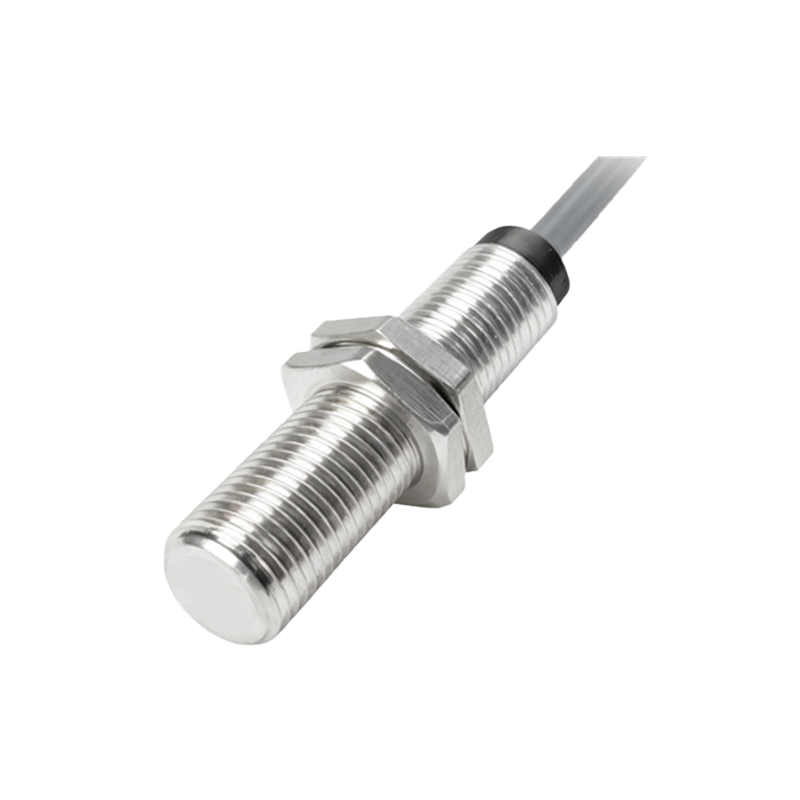
Detailed Price List by Sensor Type
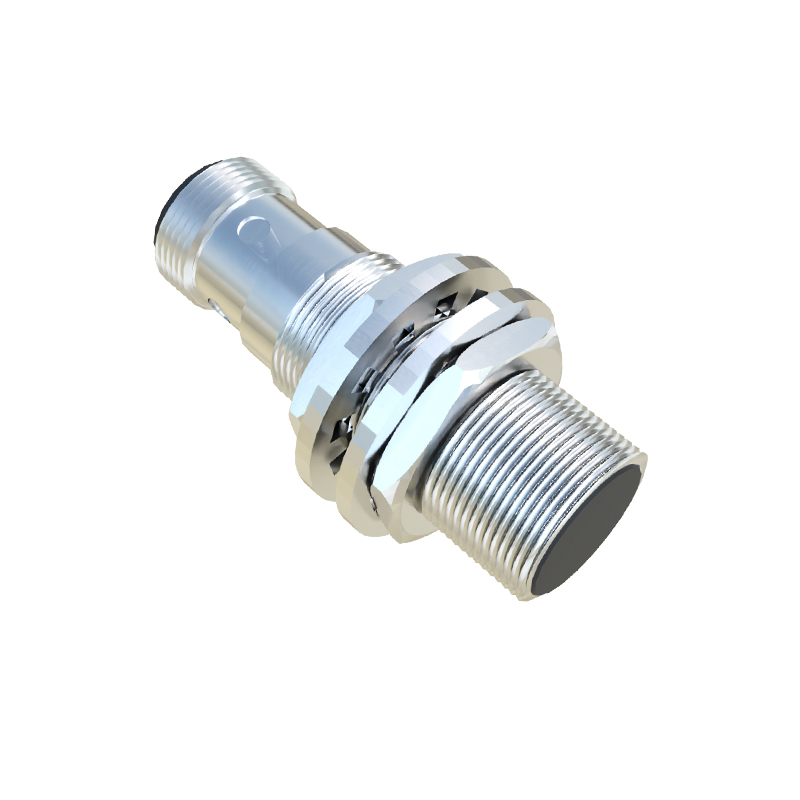
The following price list provides estimated street prices in USD for standard models from major industrial brands, intended as a budgetary guide. Prices fluctuate based on distributor, region, and order volume. Inductive Sensors: Standard cylindrical (M12, M18), 4-8mm range: $40 - $80. Factor 1 housing, 15-20mm range: $70 - $120. Stainless steel, weld-immune models: $100 - $200. Capacitive Sensors: Standard cylindrical, for level detection: $60 - $110. Models with sensitivity adjustment for difficult materials: $90 - $160. Photoelectric Sensors: Diffuse reflective, standard range: $50 - $100. Through-beam sets (separate emitter/receiver): $80 - $180. Background suppression or polarized retro-reflective models: $120 - $250. Long-range laser sensors: $200 - $500+. Ultrasonic Sensors: Basic analog or switching output models: $100 - $220. Advanced models with teach-in capabilities and extended range: $200 - $400.
The Impact of Features and Certifications on Cost
Additional features and certifications are significant cost drivers that add value for specific applications. Sensors with an IO-Link communication interface, which enables parameter setting, condition monitoring, and advanced diagnostics, typically carry a 20-40% premium over their standard digital counterparts. This investment, however, can lead to substantial savings in commissioning and maintenance within smart factory setups. Similarly, safety-rated sensors (e.g., conforming to ISO 13849 for use in safety circuits) undergo rigorous design and testing, resulting in prices that can be double or triple that of a standard functional equivalent. Environmental and industry-specific certifications also add cost. Sensors rated for food and beverage wash-down (IP69K, FDA-compliant materials) are more expensive. Those certified for use in hazardous locations (ATEX, IECEx) involve complex encapsulation and testing, placing them firmly in the premium price bracket. Always correlate these features with actual application needs to avoid unnecessary expenditure.
Strategies for Cost-Effective Procurement
Achieving the best value requires a strategic approach beyond simply finding the lowest listed price. First, accurately define the application requirements. Over-specifying a sensor (e.g., buying a 30mm range when 5mm suffices, or stainless steel for a dry, clean environment) wastes capital. Consolidating purchases to standardize