Introduction to Photoelectric Sensing Technology
Photoelectric sensors are pivotal components in modern industrial automation, enabling non-contact detection of objects through the use of light. These devices operate by emitting a light beam—typically infrared, visible, or laser—and detecting changes in the received light intensity caused by the presence, absence, or specific characteristics of a target object. The core principle hinges on the interaction between light and the object, which may reflect, absorb, or interrupt the beam. This technology is favored for its high precision, fast response times, and versatility across diverse environments, from manufacturing lines to packaging systems. By converting optical signals into electrical outputs, photoelectric sensors facilitate real-time monitoring and control, forming the backbone of automated processes where reliability and accuracy are paramount. Their adaptability to various materials and surfaces, coupled with minimal maintenance requirements, underscores their widespread adoption in sectors like automotive, electronics, and logistics.
Fundamentals of Adjustable Position Mechanisms
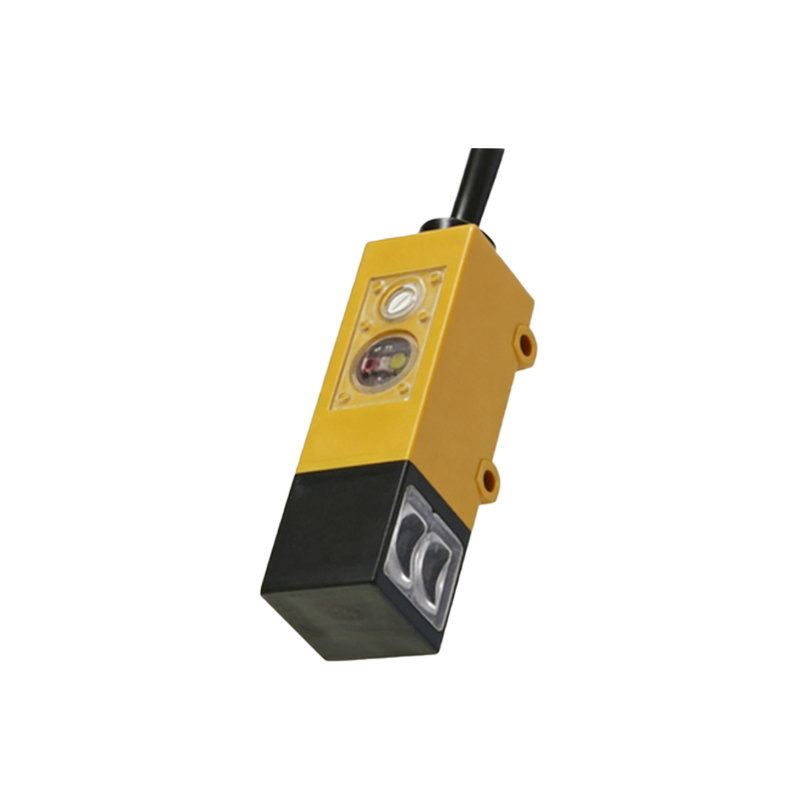
Adjustable position photoelectric sensors enhance flexibility by allowing users to modify the sensing range, alignment, or mounting configuration to suit specific application needs. This adjustability is achieved through mechanical or electronic means, such as sliding brackets, rotating heads, or programmable settings. Mechanically, the sensor housing may include slots or knobs that enable precise positioning along an axis, ensuring optimal beam alignment with the target. Electronically, some models feature digital interfaces for fine-tuning parameters like sensitivity or response time, which indirectly influence the effective sensing position by compensating for environmental variables. This capability is crucial in dynamic setups where object sizes, distances, or production lines change frequently, reducing downtime for reconfiguration. By integrating adjustability, these sensors offer a cost-effective solution for multi-purpose use, minimizing the need for multiple fixed sensors and simplifying inventory management.
Operating Principles and Light Source Types
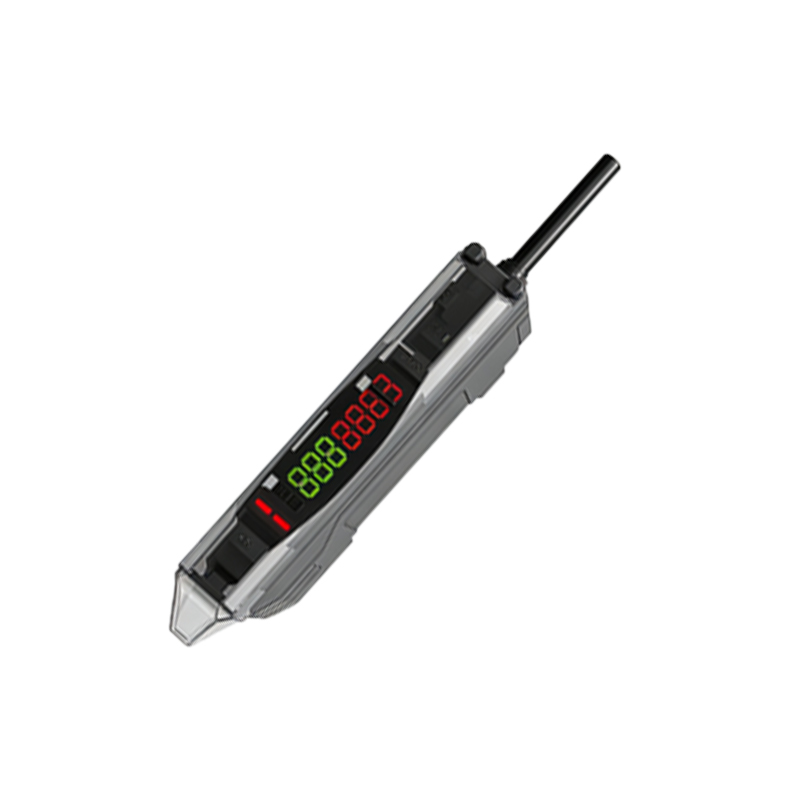
The operation of adjustable position photoelectric sensors revolves around three primary modes: through-beam, retro-reflective, and diffuse reflective. In through-beam mode, an emitter and receiver are separate units; the sensor detects an object when it interrupts the direct light path between them, offering long-range and high-accuracy detection. Retro-reflective mode uses a single unit with a reflector, where the object breaks the reflected beam, suitable for medium-range applications. Diffuse reflective mode relies on the object itself to reflect light back to the receiver, ideal for short-range or color-based detection. Adjustable sensors often incorporate LED or laser light sources—LEDs provide energy efficiency and durability, while lasers enable precise, focused beams for minute object detection. The choice of light source affects the sensor's range, resolution, and immunity to ambient light interference, with advanced models including modulation techniques to filter out noise and ensure stable performance in challenging conditions like dust or vibration.
Key Components and Signal Processing
Internally, an adjustable position photoelectric sensor comprises several critical components: the light emitter, receiver, lens system, and signal processing circuitry. The emitter generates the light beam, which is shaped by lenses to control divergence and focus, enhancing detection accuracy. The receiver, typically a phototransistor or photodiode, converts incoming light into electrical signals. Adjustability often involves movable lenses or mirrors that redirect the beam, allowing users to shift the sensing spot without physically relocating the entire sensor. Signal processing circuits amplify and filter the received signals, comparing them to predefined thresholds to determine object presence. Digital models may include microcontrollers for adaptive tuning, enabling automatic calibration based on environmental feedback. This integration ensures consistent operation despite variations in object reflectivity or background conditions, with output options like NPN/PNP transistors or analog signals interfacing seamlessly with PLCs and control systems.
Applications in Industrial Automation
Adjustable position photoelectric sensors find extensive use in industrial settings due to their versatility. In conveyor systems, they detect product positions for sorting, counting, or quality control, with adjustability accommodating different package sizes. Robotics applications leverage these sensors for precise object localization and gripper alignment, enhancing automation efficiency. In packaging machinery, they ensure correct label placement or fill levels by adapting to varying container shapes. The sensors also play a role in safety systems, such as light curtains that protect workers by detecting intrusions into hazardous zones, where adjustable ranges allow customization for specific machine layouts. Their ability to withstand harsh environments—like temperature extremes or moisture—makes them suitable for outdoor or washdown applications, such as in food processing or pharmaceutical industries, where hygiene and reliability are critical.
Installation and Calibration Best Practices
Proper installation and calibration are essential to maximize the performance of adjustable position photoelectric sensors. During setup, ensure stable mounting using brackets that permit smooth adjustment without slippage, and align the beam perpendicular to the target path to avoid false triggers. Calibration involves setting the sensing range and sensitivity based on the object's properties—for instance, adjusting the receiver threshold to distinguish between reflective and non-reflective surfaces. Environmental factors like ambient light or dust should be mitigated by using shields or selecting sensors with robust housing ratings (e.g., IP67). Regular maintenance includes cleaning lenses to prevent buildup and verifying alignment after mechanical shocks. Many modern sensors feature self-diagnostic LEDs or communication protocols for remote monitoring, simplifying troubleshooting. By following these practices, users can extend sensor lifespan and maintain high detection accuracy, reducing operational disruptions.
Advantages and Limitations
The primary advantages of adjustable position photoelectric sensors include enhanced flexibility, reduced inventory costs, and improved system adaptability. They allow quick reconfiguration for changing production needs, supporting just-in-time manufacturing principles. Their non-contact nature minimizes wear and tear, ensuring long-term reliability. However, limitations exist: extreme environmental conditions (e.g., heavy fog or direct sunlight) can interfere with light beams, requiring protective measures. Highly reflective or transparent objects may pose detection challenges, necessitating specialized models with background suppression or polarization filters. Additionally, mechanical adjustability might introduce points of vulnerability if not designed robustly. Despite these constraints, ongoing advancements in materials and electronics continue to expand their capabilities, making them indispensable tools in smart factories and IoT-driven automation landscapes.