Understanding Multifunctional Proximity Sensors
In the landscape of industrial automation, multifunctional proximity sensors have emerged as critical components for enhancing operational efficiency, safety, and system intelligence. Unlike standard proximity sensors that detect the presence or absence of an object, multifunctional variants integrate several sensing capabilities and output options into a single, compact device. These advanced sensors can perform tasks such as precise distance measurement, speed monitoring, color differentiation, and even basic condition monitoring of target objects. They are engineered to withstand harsh industrial environments, offering robust resistance to factors like dust, moisture, oil, and electromagnetic interference. The core technologies underpinning these sensors include inductive, capacitive, ultrasonic, and photoelectric principles, each selected based on the target material and application requirements. The evolution towards multifunctionality represents a shift from simple detection to providing rich, actionable data, forming a foundational element of the Industrial Internet of Things (IIoT) and smart factory initiatives.
Leading Global Suppliers and Their Specializations
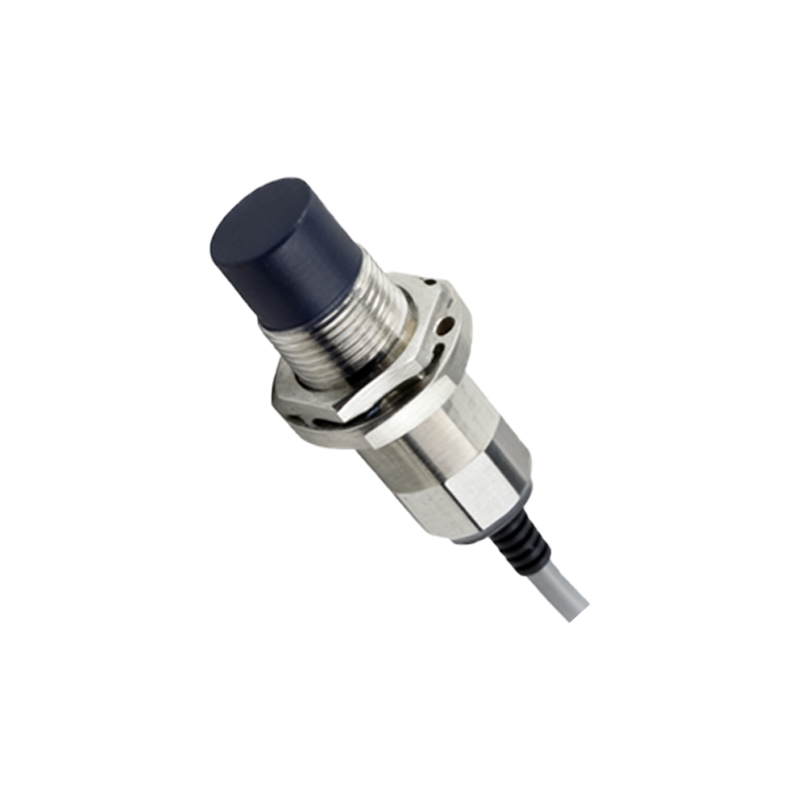
The market for multifunctional proximity sensors is served by several established global leaders, each bringing distinct technological strengths and application expertise. Companies like Siemens AG, with their SIMATIC series, offer sensors renowned for seamless integration into large-scale automation and Totally Integrated Automation (TIA) environments. Their products often feature advanced diagnostics and IO-Link communication for parameterization and data exchange. Omron Corporation, a pioneer in sensor technology, provides a wide array of multifunctional sensors, including their E2E and E2A series, known for high precision, durability, and innovative features like noise immunity and embedded condition monitoring. Another key player, Pepperl+Fuchs, excels in providing intrinsically safe and ruggedized sensors for hazardous areas and demanding applications, with a strong focus on modularity and customization. Balluff GmbH is highly regarded for its innovative RFID and sensor fusion solutions, offering smart sensors that combine detection with data identification. SICK AG specializes in high-performance sensors for logistics, packaging, and automotive industries, offering models with teach-in functions and sophisticated background suppression for reliable operation in complex scenarios.
Critical Selection Criteria for Engineers
Selecting the appropriate multifunctional proximity sensor supplier and model requires a meticulous evaluation of technical and commercial parameters. The primary technical criterion is the sensing technology, dictated by the target object's material (metallic, non-metallic, liquid), required sensing range, and environmental conditions. Output configuration is equally vital; engineers must decide between digital switches, analog outputs (4-20 mA, 0-10V), or IO-Link digital communication for smart data capabilities. The housing material and ingress protection (IP) rating must align with the operational environment to ensure longevity. Key performance specifications include repeat accuracy, response time, temperature stability, and switching frequency. From a supplier perspective, factors such as global technical support availability, lead times, customization options, and compatibility with existing control architectures (e.g., PLC brands) are crucial. The total cost of ownership, encompassing initial price, installation effort, maintenance needs, and potential for reducing machine downtime, should be the ultimate guiding metric.
Integration and Smart Factory Applications
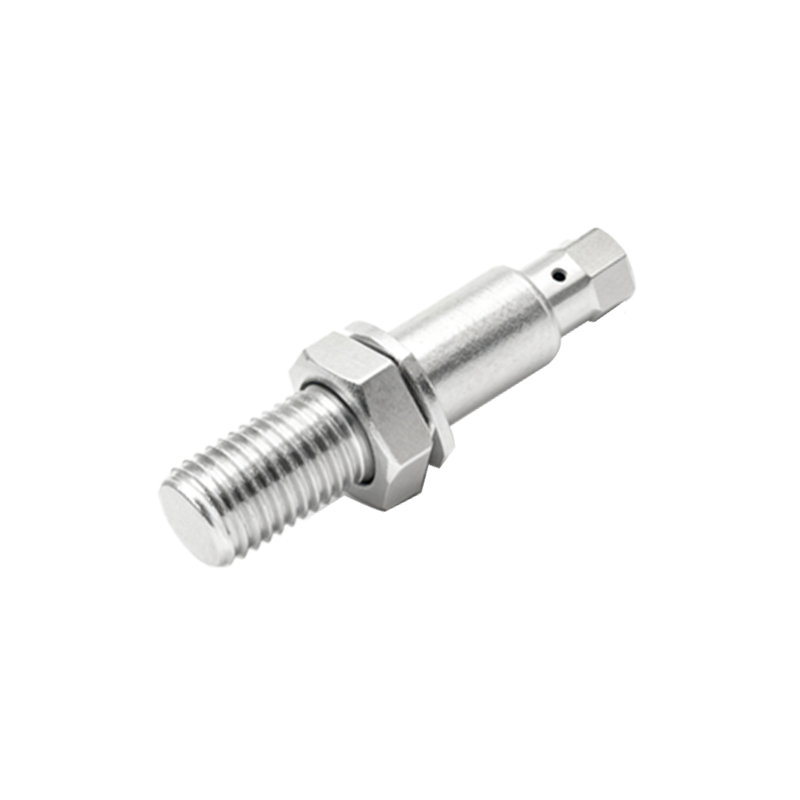
The true value of multifunctional proximity sensors is unlocked through their integration into broader control and data systems. In modern smart factories, these sensors act as critical data points on the network edge. Using protocols like IO-Link, PROFINET, or EtherNet/IP, they transmit not just a binary signal but detailed process values, device parameters, and diagnostic information (e.g., operating hours, temperature warnings, contamination levels) directly to higher-level controllers or cloud platforms. This enables predictive maintenance strategies, where potential sensor or machine failures can be anticipated and addressed before causing unplanned downtime. Application examples are diverse: in automated guided vehicle (AGV) systems, they provide precise docking and obstacle detection; in assembly lines, they verify part presence, orientation, and quality; in packaging machinery, they monitor fill levels, count products, and inspect seals. This level of integration transforms simple sensing into a cornerstone of data-driven manufacturing optimization.
Future Trends and Supplier Innovation
The future trajectory for multifunctional proximity sensor suppliers is shaped by several converging trends. The demand for miniaturization continues, pushing suppliers to pack more functionality into smaller form factors without compromising performance or robustness. Enhanced connectivity remains a top priority, with a growing emphasis on wireless options and seamless integration with Industrial IoT platforms. Artificial intelligence and machine learning are beginning to influence sensor design, leading to "smarter" sensors capable of edge-based decision-making, such as adaptive threshold setting or anomaly detection. Furthermore, sustainability concerns are driving innovation in energy-efficient sensor designs and the use of eco-friendly materials. Suppliers who invest in R&D for these areas—miniaturization, advanced connectivity, embedded intelligence,