Introduction to Proximity Sensors in Automation
In the realm of modern industrial automation, proximity sensors stand as fundamental components, silently orchestrating the precision and efficiency of production lines. These non-contact detection devices are engineered to identify the presence or absence of objects within a defined sensing range without any physical interaction. Their integration into automated systems has revolutionized manufacturing processes, enabling higher speeds, improved safety, and unprecedented levels of reliability. From automotive assembly to pharmaceutical packaging, proximity sensors serve as the critical "eyes" of machinery, providing essential feedback to programmable logic controllers (PLCs) that govern every movement and operation. Their ability to function in harsh environments—resistant to dust, oil, and vibration—makes them indispensable in the demanding landscape of continuous production.
Core Operating Principles and Types
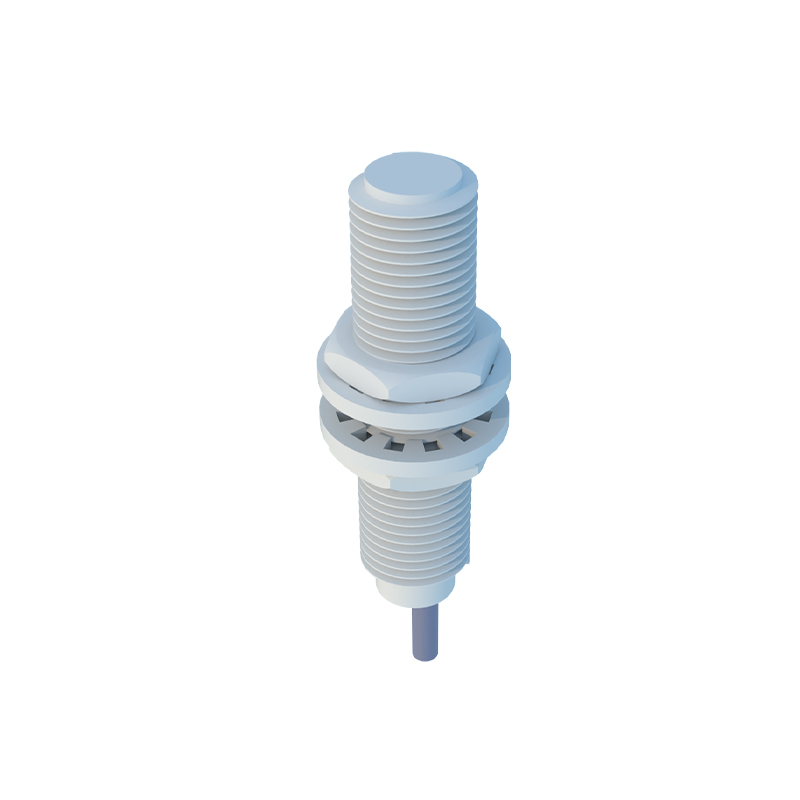
Proximity sensors operate on various physical principles, each suited to specific applications. Inductive proximity sensors are the most prevalent in metal-dominant environments. They generate an electromagnetic field and detect the eddy current losses caused by a metallic target entering this field. Capacitive sensors, on the other hand, can detect both metallic and non-metallic materials, including liquids and granules, by sensing changes in capacitance. Photoelectric sensors utilize a light beam, often infrared or laser, to detect object presence based on light transmission, reflection, or modulation. Finally, ultrasonic sensors measure the time-of-flight of sound waves to determine distance and presence. The selection of sensor type is a critical engineering decision, directly impacting the system's accuracy, response time, and overall cost-effectiveness.
Integration within Automated Production Lines
The true power of proximity sensors is realized through their seamless integration into the broader control architecture of an automated production line. They are strategically positioned at key points: at the start of a conveyor to detect part arrival, at robotic workstations to confirm correct part positioning, in assembly jigs to verify component placement, and at the end of the line for final inspection and sorting. This network of sensors creates a continuous stream of digital data. For instance, an inductive sensor might confirm a metal bracket is in place before a robotic welder is activated, while a capacitive sensor could ensure a bottle is filled to the correct level before capping. This closed-loop feedback is vital for process validation, error-proofing, and maintaining the relentless rhythm of automated production.
Key Benefits for Manufacturing Efficiency
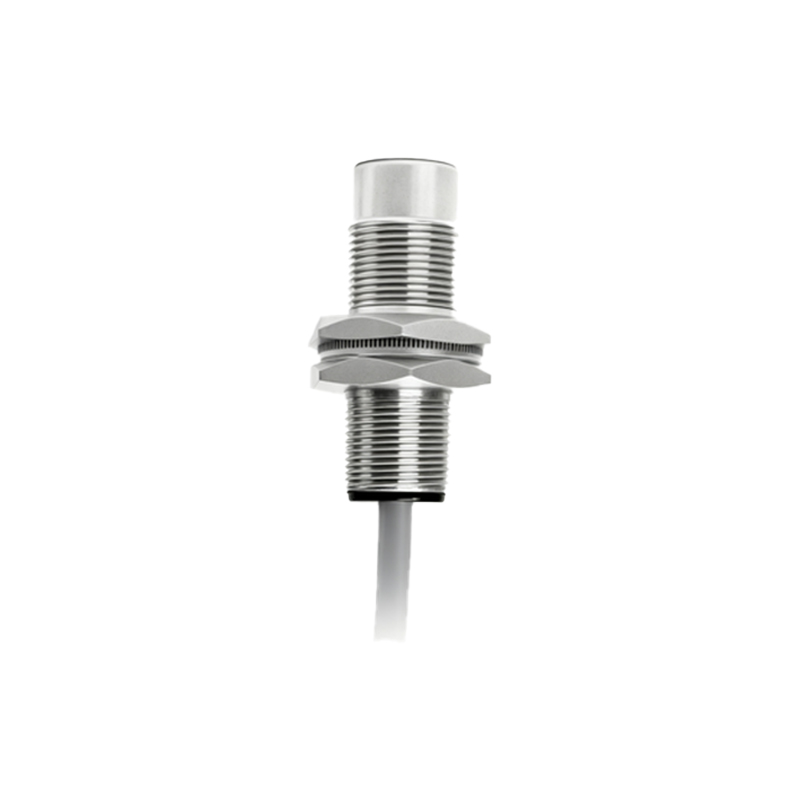
The deployment of proximity sensors delivers tangible and significant benefits. Primarily, they enable high-speed operation by providing near-instantaneous detection signals, allowing machinery to cycle faster without the mechanical delay of physical contact switches. This contributes directly to increased throughput and Overall Equipment Effectiveness (OEE). Secondly, they enhance product quality. By ensuring parts are present, correctly oriented, and within tolerance before a process step occurs, they prevent defective products from moving down the line, reducing waste and rework. Furthermore, their non-contact nature eliminates wear and tear associated with mechanical limit switches, drastically reducing maintenance downtime and extending the mean time between failures (MTBF) for the entire line.
Addressing Challenges and Implementation Best Practices
Despite their robustness, successful implementation requires careful planning. Challenges include sensor selection errors, improper mounting, and electromagnetic interference (EMI) in dense industrial settings. A metallic machine frame might inadvertently trigger an inductive sensor, or ambient light could affect a photoelectric unit. Best practices involve conducting a thorough application audit to define the target material, required sensing distance, environmental conditions, and required output signal. Engineers must also consider mounting geometry, ensuring the sensor is positioned to reliably detect the target while avoiding false triggers from passing objects. Shielding, proper grounding, and the use of sensors with built-in diagnostics and IO-Link communication capabilities are increasingly important for smart factory environments, facilitating predictive maintenance and easier troubleshooting.
The Future: Smart Sensors and Industry 4.0
The evolution of proximity sensors is intrinsically linked to the rise of Industry 4.0 and the Industrial Internet of Things (IIoT). Next-generation "smart" sensors are equipped with microprocessors and digital communication protocols like IO-Link. These sensors do more than just provide a simple on/off signal; they can communicate detailed parameters such as internal temperature, operating voltage, signal strength, and even wear indicators to a central control system. This data richness allows for advanced condition monitoring, predictive maintenance algorithms, and seamless integration into digital twin models of the production line. As artificial intelligence and machine learning become more embedded in manufacturing, the humble proximity sensor will evolve from a discrete detection device into an intelligent node in a fully connected, self-optimizing production ecosystem.