Introduction to Proximity Light Sensor Technology
The NOVA4 proximity light sensor represents a significant advancement in optoelectronic components, integrating infrared (IR) emission and detection to sense the presence or absence of objects within a close range without physical contact. This sensor operates on a fundamental principle: it emits an infrared light beam and measures the intensity of the light reflected back to its photodetector. When an object, such as a user's face during a phone call, comes near the sensor, the reflected IR signal changes, triggering a predefined action—like turning off a smartphone's display to prevent accidental touch inputs and save power. The precision and low power consumption of the NOVA4 make it a cornerstone in designing intuitive and energy-efficient user interfaces.
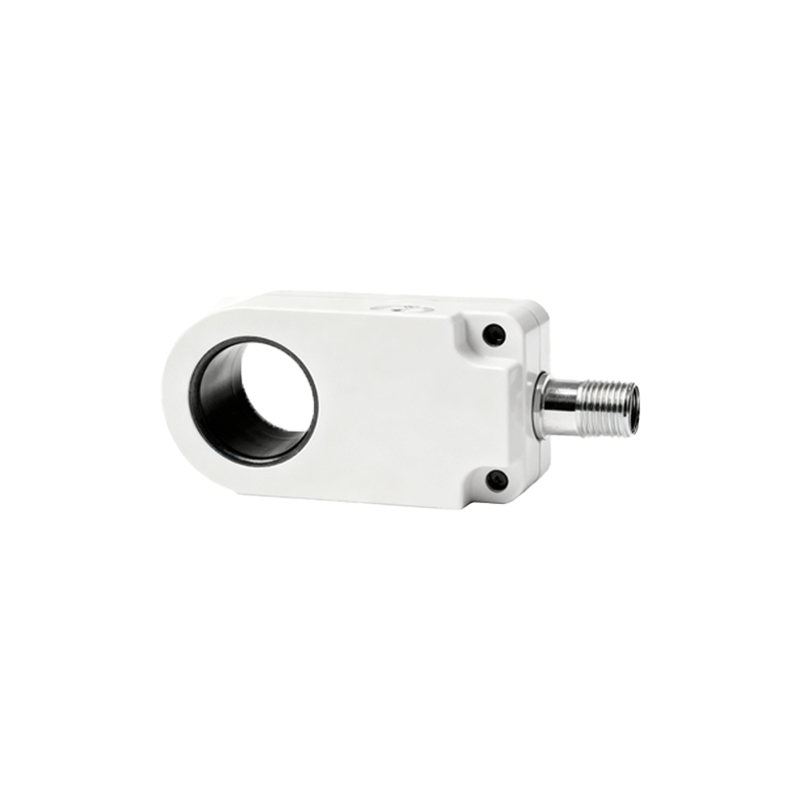
Core Technical Specifications of the NOVA4 Sensor
Delving into the technical architecture, the NOVA4 sensor typically features a high-sensitivity photodiode and an IR LED encapsulated in a compact package that minimizes optical crosstalk. Key specifications include a fast response time, often in the millisecond range, enabling real-time detection crucial for dynamic applications. Its operating voltage is low, compatible with standard 3.3V or 5V systems, and it consumes minimal current in standby mode, aligning with green electronics initiatives. The sensor's detection range is finely tuned, usually from a few millimeters up to several centimeters, with adjustable sensitivity via external resistors or digital commands through an I2C or similar interface. This programmability allows engineers to calibrate the sensor for specific environmental conditions, such as varying ambient light levels.
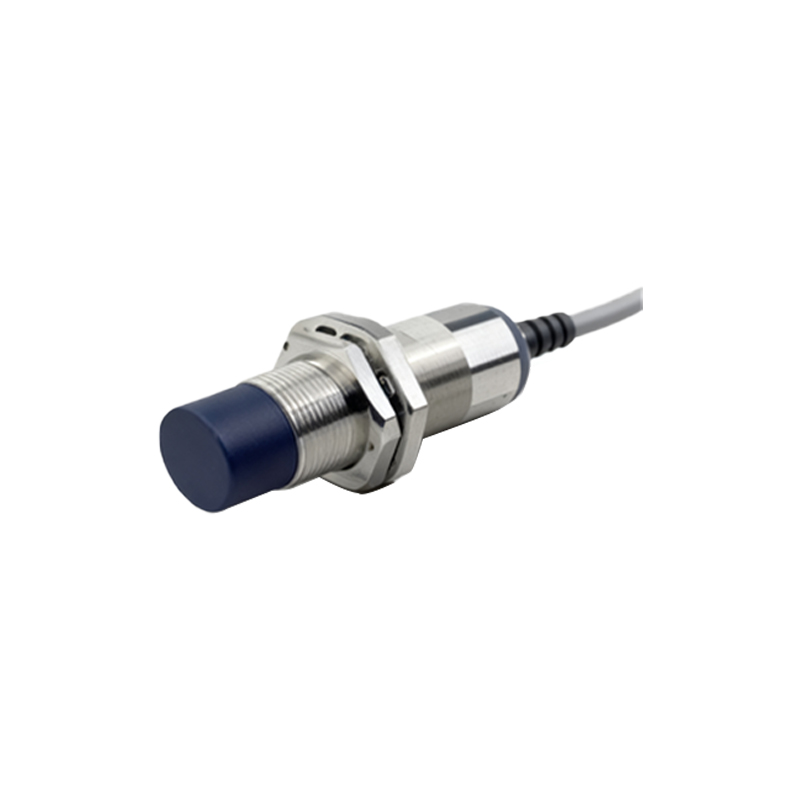
Integration and Circuit Design Considerations
Successful implementation of the NOVA4 sensor in an electronic product requires careful circuit design and integration. A typical application circuit includes current-limiting resistors for the IR emitter, a signal conditioning stage for the photodetector output (often involving an operational amplifier), and noise filtering capacitors. Designers must account for potential interference from other light sources, including sunlight and artificial lighting, which can be mitigated through modulation techniques and optical filters integrated into the sensor package. Furthermore, the physical placement on a PCB is critical; the sensor's aperture must be positioned close to the device's exterior surface, often behind a dark, IR-transmissive window, to ensure optimal performance while maintaining aesthetic design.
Primary Applications in Consumer Electronics
The most ubiquitous application of the NOVA4 proximity light sensor is in smartphones and tablets, where it manages display behavior during calls. Beyond this, its utility extends to a wide array of devices. In laptops and all-in-one computers, it can detect user presence to wake the device from sleep mode, enhancing both convenience and security. Home automation systems employ these sensors in touchless faucets, soap dispensers, and smart lighting controls, promoting hygiene and energy savings. Additionally, they are found in automotive interiors for gesture-controlled infotainment systems and in industrial settings for object detection on assembly lines, showcasing their versatility.
Advantages Over Traditional Sensing Methods
Compared to mechanical switches or capacitive touch sensors, the NOVA4 proximity sensor offers distinct benefits. Its non-contact nature eliminates wear and tear, ensuring long-term reliability and reducing maintenance needs. The sensor is immune to surface contaminants like water, dust, or grease, which can impede capacitive sensors. It provides a discreet sensing solution without requiring a visible button or moving part, allowing for sleek, modern product designs. From a functional standpoint, its ability to operate in complete darkness (as it uses its own IR light source) gives it an edge over simple ambient light sensors, making it a robust choice for varied operating environments.
Future Trends and Development Potential
The evolution of proximity sensing technology points toward greater integration and intelligence. Future iterations, building on platforms like the NOVA4, may incorporate multi-spectral sensing capabilities, detecting not just proximity but also simple gestures or material types. The trend of sensor fusion—combining proximity data with inputs from accelerometers, gyroscopes, and cameras—will enable more context-aware devices. Furthermore, advancements in packaging technology will lead to even smaller form factors, allowing integration into wearable electronics and IoT nodes. As the demand for intuitive human-machine interaction grows, the role of sophisticated, low-power sensors like the NOVA4 will only become more central to electronic design.