Introduction to Photoelectric Sensors
Photoelectric sensors are versatile devices that detect the presence, absence, or distance of objects using a light transmitter and receiver. They operate on the principle of converting light signals into electrical signals, enabling non-contact detection across various industrial environments. These sensors are prized for their high speed, long sensing ranges, and reliability, making them indispensable in automation systems. Common types include through-beam, retro-reflective, and diffuse reflective sensors, each suited to specific applications based on environmental factors and detection requirements. Their ability to work with diverse materials, from metals to transparent plastics, underscores their adaptability in complex manufacturing processes.
Core Operating Principles
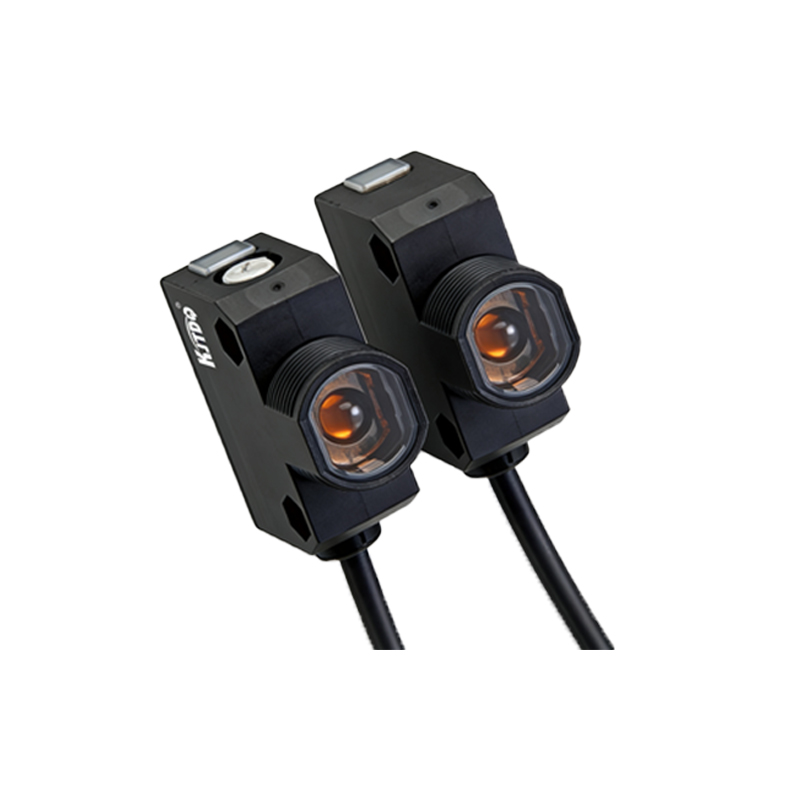
The functionality of photoelectric sensors hinges on light emission and reception. A light source, typically an LED or laser, emits a beam that interacts with a target object. The receiver then detects changes in the light pattern, such as intensity or reflection, triggering an output signal. Through-beam sensors use separate transmitter and receiver units, offering high accuracy for long distances. Retro-reflective sensors employ a reflector to bounce light back, ideal for detecting opaque objects. Diffuse sensors rely on light scattering from the target itself, suitable for close-range applications. Advanced models incorporate background suppression or color recognition to enhance precision in challenging conditions like varying ambient light.
Key Applications in Manufacturing
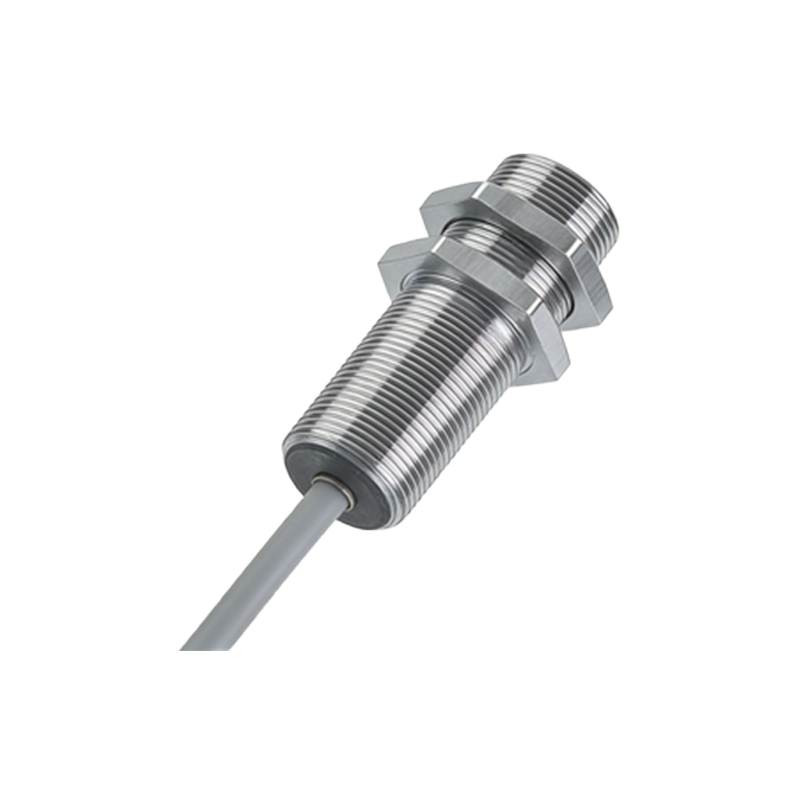
In manufacturing, photoelectric sensors streamline production lines by enabling precise object detection and positioning. They are widely used in conveyor systems to count items, monitor flow, and trigger robotic arms for sorting or assembly. For example, in automotive plants, sensors ensure components are correctly aligned before welding, reducing errors and downtime. Packaging industries rely on them to detect labels, verify fill levels, and control sealing machines. Their non-contact nature prevents damage to fragile goods, while high-speed operation supports rapid throughput. Additionally, sensors with IP ratings withstand harsh environments, such as dust or moisture, ensuring consistent performance in food processing or pharmaceutical settings.
Integration with Industry 4.0
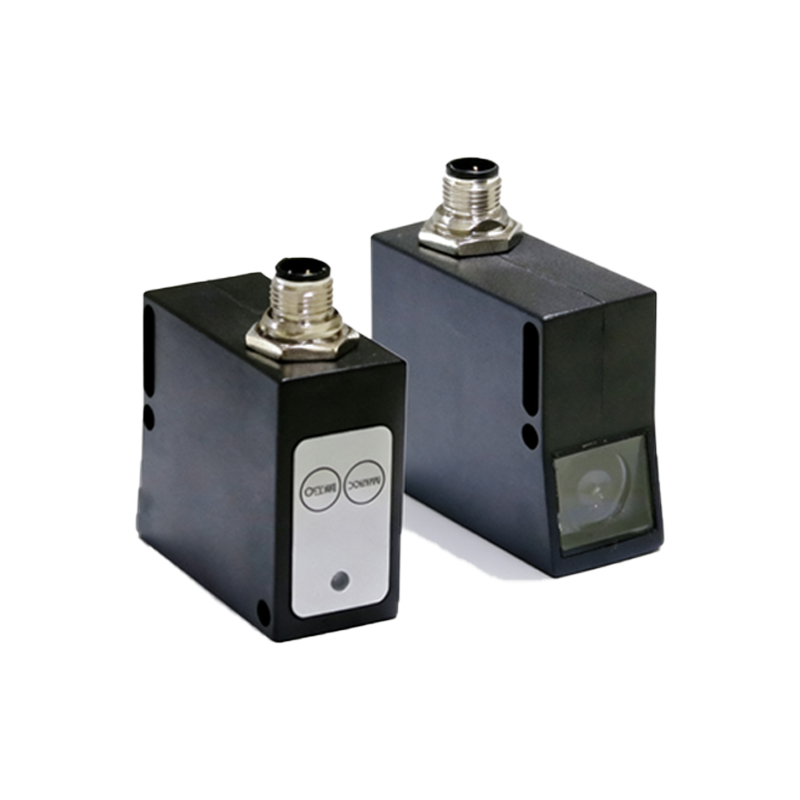
The rise of Industry 4.0 has amplified the role of photoelectric sensors in smart factories. Equipped with IO-Link or Ethernet connectivity, these sensors transmit real-time data to central control systems, facilitating predictive maintenance and process optimization. They contribute to digital twins by providing feedback on machine states, enabling adjustments to improve efficiency. In automated guided vehicles (AGVs), sensors navigate pathways and avoid obstacles, enhancing safety. Energy-saving features, like automatic power adjustment based on detection needs, align with sustainability goals. As part of IoT networks, sensors help create adaptive production lines that respond dynamically to demand changes, reducing waste and boosting productivity.
Advantages Over Alternative Sensors
Compared to inductive or capacitive sensors, photoelectric sensors offer distinct benefits. They detect a broader range of materials, including non-metallic and transparent objects, without physical contact, minimizing wear. Their longer sensing distances—up to several meters—allow flexible installation in large-scale setups. High response speeds suit fast-paced applications, such as bottling lines or electronics manufacturing. Moreover, advanced models feature teach-in functions for easy calibration and diagnostics to troubleshoot issues swiftly. While ambient light or dirty lenses can pose challenges, modern designs with modulated light or protective housings mitigate these risks, ensuring robust operation in diverse industries from logistics to renewable energy.
Future Trends and Innovations
Emerging trends are expanding photoelectric sensor capabilities. Miniaturization enables integration into compact devices for robotics and medical equipment. Enhanced AI algorithms allow for shape recognition and quality inspection, going beyond simple presence detection. Laser-based sensors are achieving sub-micron accuracy for precision engineering tasks. Additionally, wireless and energy-harvesting models reduce wiring complexity and support mobile applications. As industries embrace automation, demand for smart, interoperable sensors will grow, driving innovations in durability and data analytics. Research into new light sources, like VCSELs, promises even higher performance, solidifying photoelectric sensors as a cornerstone of future industrial ecosystems.