Introduction to Proximity Sensor and Spring Integration
Proximity sensors are widely used in industrial automation for detecting the presence or absence of objects without physical contact. These sensors rely on electromagnetic fields, infrared light, or ultrasonic waves to sense targets. However, in dynamic environments, factors like vibration, misalignment, or mechanical stress can affect sensor performance. Integrating a spring mechanism with a proximity sensor addresses these challenges by providing flexibility and resilience. The spring acts as a buffer, absorbing shocks and allowing slight adjustments in sensor positioning. This combination ensures reliable operation in harsh conditions, such as manufacturing lines or robotic systems, where precision and durability are critical. By incorporating springs, engineers can enhance the sensor's lifespan and maintain consistent detection accuracy, reducing downtime and maintenance costs.
Key Functions of Springs in Proximity Sensor Systems
Springs serve multiple roles when paired with proximity sensors. First, they offer mechanical protection by dampening external forces, such as impacts from moving parts or accidental collisions. This prevents sensor damage and extends its operational life. Second, springs enable self-alignment capabilities. In applications where sensors are mounted on moving platforms or uneven surfaces, the spring allows the sensor to adjust its angle or position slightly, ensuring optimal sensing range and reducing false triggers. Third, springs provide consistent contact pressure in applications requiring tactile feedback, such as in limit switches or safety interlocks. This ensures that the sensor maintains a stable connection with the target, improving signal integrity. Overall, the spring mechanism enhances the sensor's adaptability and reliability in complex industrial setups.
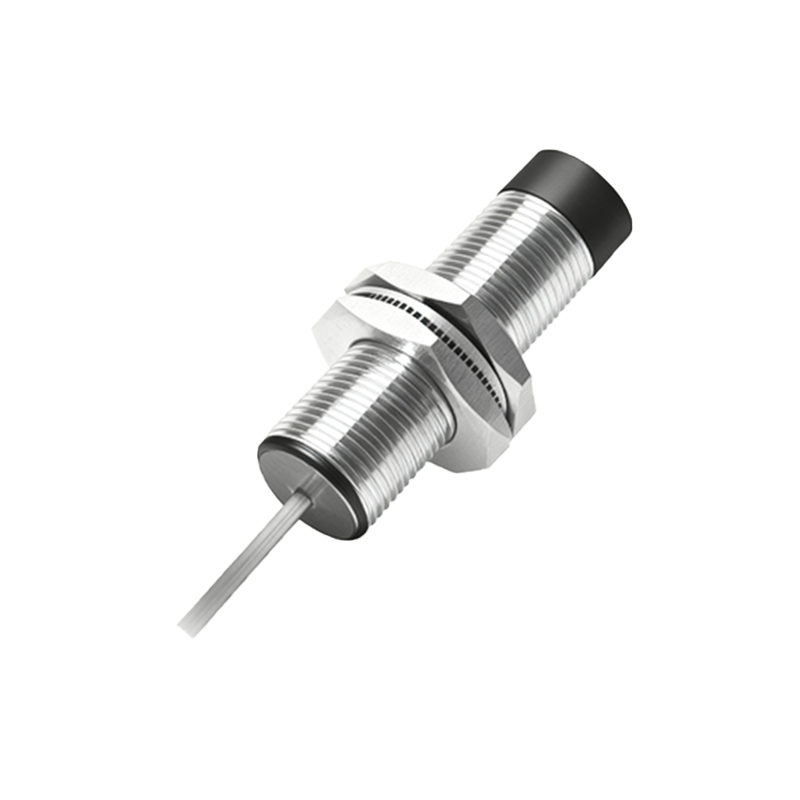
Design Considerations for Spring-Assisted Proximity Sensors
Designing a proximity sensor with a spring requires careful consideration of several factors. The spring material must be chosen based on environmental conditions, such as temperature, humidity, and exposure to chemicals. Stainless steel springs are common for their corrosion resistance and durability. The spring's stiffness, or spring constant, should match the application's force requirements—too stiff, and it may not absorb shocks effectively; too soft, and it might not return to position reliably. Additionally, the mounting method is crucial: springs can be integrated into the sensor housing or attached externally, depending on space constraints and maintenance needs. Engineers must also account for the sensor's sensing range and response time, ensuring that the spring does not interfere with the detection field. Proper design testing, including vibration and endurance trials, is essential to validate performance in real-world scenarios.
Applications in Industrial Automation and Robotics
Spring-enhanced proximity sensors find extensive use in various industrial sectors. In automotive assembly lines, they detect parts on conveyor belts, with springs compensating for vibrations and misalignments. In robotics, these sensors are employed in grippers and end-effectors to sense object presence, where springs allow for gentle contact and prevent damage to delicate components. Packaging machinery utilizes them to monitor product flow, with springs absorbing shocks from fast-moving items. Moreover, in safety systems, such as door interlocks or guard switches, springs ensure reliable activation under varying pressures. These applications benefit from improved accuracy and reduced wear, leading to higher efficiency and lower operational costs. Case studies show that integrating springs can reduce sensor failure rates by up to 30% in high-stress environments.
Advantages and Challenges of Using Springs with Proximity Sensors
The primary advantages of combining springs with proximity sensors include enhanced durability, better alignment, and increased shock absorption. This results in fewer false readings, longer sensor life, and reduced maintenance intervals. However, challenges exist, such as potential spring fatigue over time, which can lead to decreased performance if not monitored. Regular inspection and replacement of worn springs are necessary to maintain optimal function. Additionally, the added complexity in design may increase initial costs, though this is often offset by long-term savings from reduced downtime. Engineers must balance these factors by selecting high-quality components and conducting thorough risk assessments. Future trends may involve smart springs with embedded sensors to monitor wear and provide predictive maintenance alerts.
Conclusion and Future Outlook
In summary, integrating a spring mechanism with proximity sensors significantly boosts their performance in industrial settings. By providing mechanical flexibility and protection, springs help overcome common issues like vibration and misalignment, ensuring reliable object detection. As industries advance toward more automated and precise systems, the demand for robust sensing solutions will grow. Innovations in materials science and sensor technology may lead to lighter, more resilient spring designs, further enhancing efficiency. Engineers should continue exploring this synergy to develop next-generation sensors that meet evolving industrial needs, ultimately driving productivity and safety improvements.