Introduction to Photoelectric Sensor External Design
Photoelectric sensors are widely utilized in industrial automation for detection, positioning, and counting applications. Their external design is meticulously engineered to meet diverse operational demands, ensuring reliability in harsh environments. Typically, these sensors feature a compact, robust housing constructed from materials such as stainless steel, engineered plastics, or aluminum alloys. The choice of material depends on factors like environmental exposure, required durability, and specific application needs. For instance, sensors deployed in corrosive settings often incorporate IP67 or higher ingress protection ratings, safeguarding internal components from dust, moisture, and chemical splashes. The external casing is designed with smooth, rounded edges to facilitate easy cleaning and prevent debris accumulation, which is critical in food processing or pharmaceutical industries. Additionally, many models include mounting brackets or threaded barrels for secure installation, allowing flexibility in alignment and positioning. The overall form factor emphasizes practicality, with dimensions tailored to fit constrained spaces without compromising performance. This thoughtful external design not only enhances sensor longevity but also simplifies maintenance, reducing downtime in automated systems.
Housing and Enclosure Specifications
The housing of a photoelectric sensor serves as the first line of defense against external stressors. Common enclosures are rated under international standards like IEC 60529, which defines levels of protection against solid objects and liquids. A typical sensor might feature a polycarbonate or ABS plastic body for lightweight resistance to impacts and UV radiation. In more demanding applications, stainless steel housings provide superior corrosion resistance and mechanical strength. The enclosure often incorporates sealing gaskets or O-rings at joints and cable entry points to maintain integrity under varying temperatures and pressures. Design elements such as recessed lenses or protective windows shield the optical components from scratches, dirt, and direct physical contact. Some advanced models include heating elements or cooling fins to regulate internal temperature, ensuring stable operation in extreme climates. The housing color, usually black or gray, minimizes light interference and aids in heat dissipation. These specifications collectively ensure that the sensor remains operational in environments ranging from clean rooms to outdoor installations, highlighting the importance of robust enclosure design in industrial settings.
Optical Component Arrangement
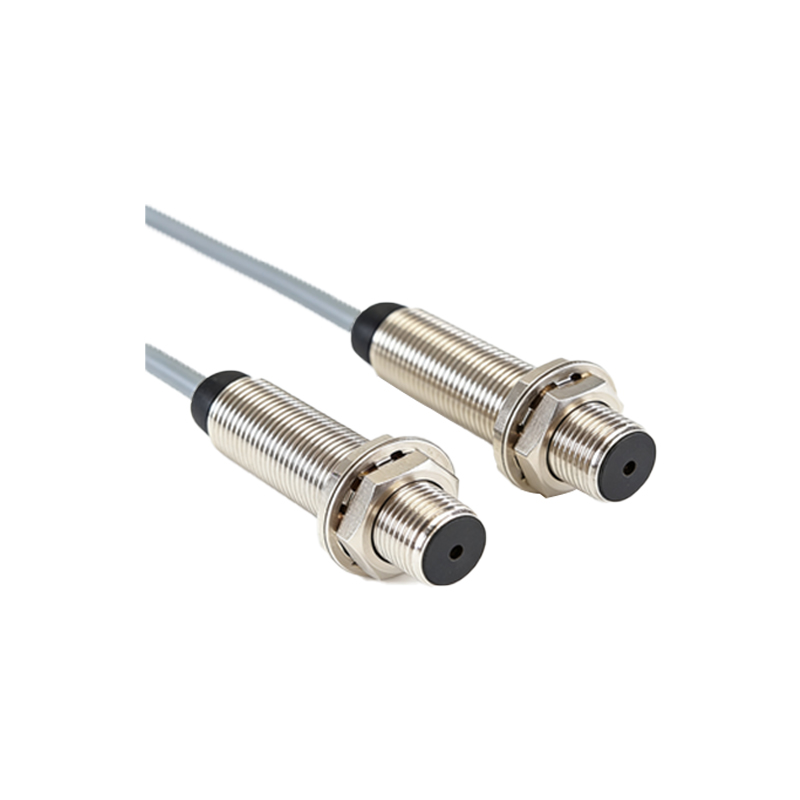
Externally, the optical components of a photoelectric sensor are prominently visible and critical to its function. The sensor head typically houses a light emitter (often an LED or laser diode) and a receiver, arranged in specific configurations based on the sensing mode—such as through-beam, retro-reflective, or diffuse reflection. The emitter and receiver are protected by transparent covers made from materials like glass or acrylic, which are selected for high transmittance and minimal distortion. These covers may be tinted or coated to filter unwanted wavelengths, reducing false triggers from ambient light. The arrangement is precision-aligned to optimize the detection beam's path, with markings or indicators on the housing to assist in alignment during setup. For example, through-beam sensors have separate units for emitter and receiver, each with clearly labeled alignment aids, while diffuse sensors integrate both into a single compact head. The design often includes status LEDs (e.g., green for power, yellow for output) that provide visual feedback on operation and diagnostics. This external optical layout not only defines the sensor's detection capabilities but also influences its ease of installation and calibration, making it a key aspect of user interaction.
Connection and Cable Features
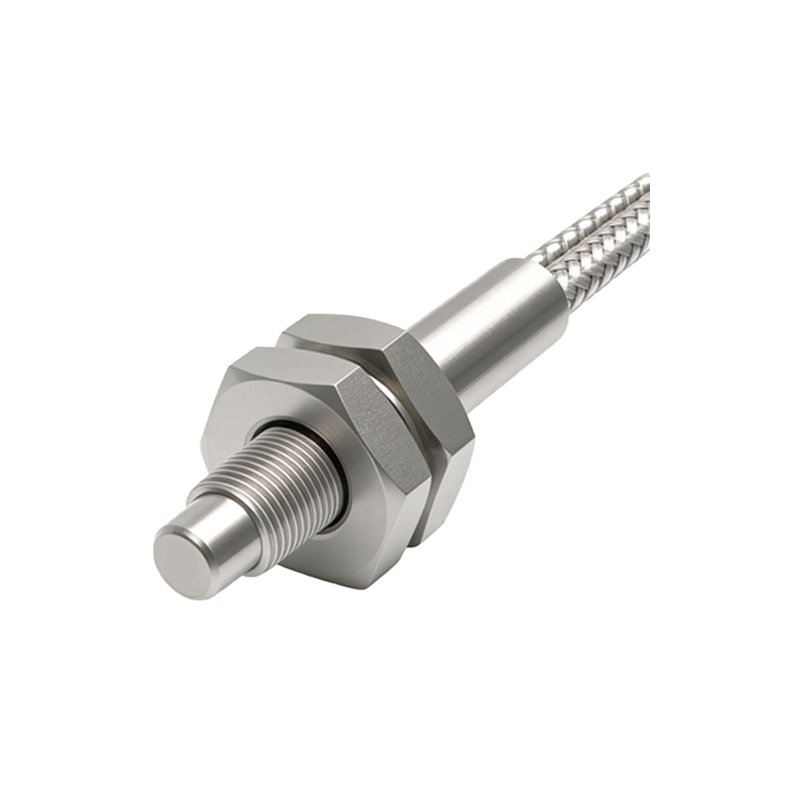
Connection interfaces and cables are integral external features that impact sensor installation and reliability. Most photoelectric sensors offer standardized connection options, such as M8 or M12 threaded connectors, which provide secure, quick-disconnect capabilities and resistance to vibration. These connectors are typically color-coded or keyed to prevent miswiring and ensure compatibility with industrial control systems. Cables attached to sensors are often made from flexible, oil-resistant PVC or PUR materials, with shielding to guard against electromagnetic interference. The cable entry point is designed with strain relief mechanisms to prevent tugging or bending from damaging internal wiring. Some models feature built-in cable glands or modular connectors that allow field replacement without disassembling the housing. Additionally, sensors may include terminal blocks or flying leads for direct wiring, catering to different installation preferences. The length and thickness of cables are chosen based on power requirements and environmental factors, with options for extended ranges in large-scale setups. These connection features emphasize durability and ease of integration, reducing installation time and enhancing long-term performance in dynamic industrial environments.
Indicator Lights and User Interface
External indicator lights and user interfaces play a crucial role in the operational transparency of photoelectric sensors. Commonly, sensors are equipped with multicolor LEDs that display status information—such as power on, signal output, or fault conditions—at a glance. For instance, a steady green light might indicate normal operation, while a flashing red light could signal alignment issues or detection errors. These indicators are strategically placed on the sensor housing for visibility from multiple angles, aiding in troubleshooting without requiring additional tools. Some advanced models incorporate push-button controls or DIP switches for configuring sensitivity, response time, or output modes directly on the device. This external interface allows for on-the-fly adjustments, minimizing downtime during setup or maintenance. The design often includes labeling or symbols next to controls and indicators to guide users, adhering to international standards for clarity. By providing intuitive external feedback, these features enhance usability, enabling quick diagnostics and reducing reliance on complex software or manuals, which is especially valuable in fast-paced industrial applications.
Mounting and Alignment Mechanisms
Mounting and alignment mechanisms are external design elements that ensure precise sensor placement and stability. Photoelectric sensors frequently include integrated mounting brackets, slots, or threaded holes compatible with standard industrial fixtures. For example, cylindrical sensors might have external threads (e.g., M18 or M30) for easy installation into drilled holes or mounting nuts, while rectangular sensors offer slot-based brackets for adjustable positioning. Alignment aids, such as laser pointers or visible red beams, are often built into the sensor head to simplify beam targeting during installation. Some models feature adjustable heads or swivel mounts that allow fine-tuning of the detection angle without remounting the entire unit. External markings, like degree scales or alignment notches, provide reference points for accurate orientation. These mechanisms are designed to withstand vibrations and thermal expansion, maintaining alignment over time. By facilitating secure and precise mounting, these external features contribute to consistent sensor performance, reducing errors in detection and extending service life in demanding applications like conveyor systems or robotic cells.
Environmental Adaptations and Customizations
The external design of photoelectric sensors often includes adaptations for specific environmental challenges. In high-temperature settings, sensors may feature heat-resistant coatings or cooling fins to dissipate excess thermal energy. For cold environments, models with heated lenses prevent frost or condensation from obstructing the optical path. In washdown applications, such as food processing, sensors are designed with smooth, crevice-free surfaces and materials resistant to caustic cleaners, often complying with hygiene standards like FDA or EHEDG. Custom external options might include special coatings for chemical resistance, anti-static finishes for explosive atmospheres, or UV-stabilized materials for outdoor use. Some sensors offer modular external accessories, like sunshades to block ambient light or protective hoods for physical defense. These adaptations ensure that