Introduction to Infrared Proximity Sensing
In the vast landscape of industrial automation and electronic design, few components are as ubiquitous yet elegantly simple as the infrared (IR) proximity sensor. As an engineer who has spent years integrating these devices into machinery, robotics, and safety systems, my appreciation for them has only deepened. At its core, an IR proximity sensor operates on a straightforward principle: it emits an infrared light beam and detects its reflection from a nearby object. The time or intensity of the reflected signal is then used to calculate distance or simply confirm presence. This fundamental mechanism belies a sophisticated interplay of optics, electronics, and signal processing that makes modern automation possible. From the assembly lines of automotive plants to the touchless faucets in public restrooms, these sensors are the silent, unseen sentinels enabling interaction between machines and the physical world.
The Core Technology and Its Evolution
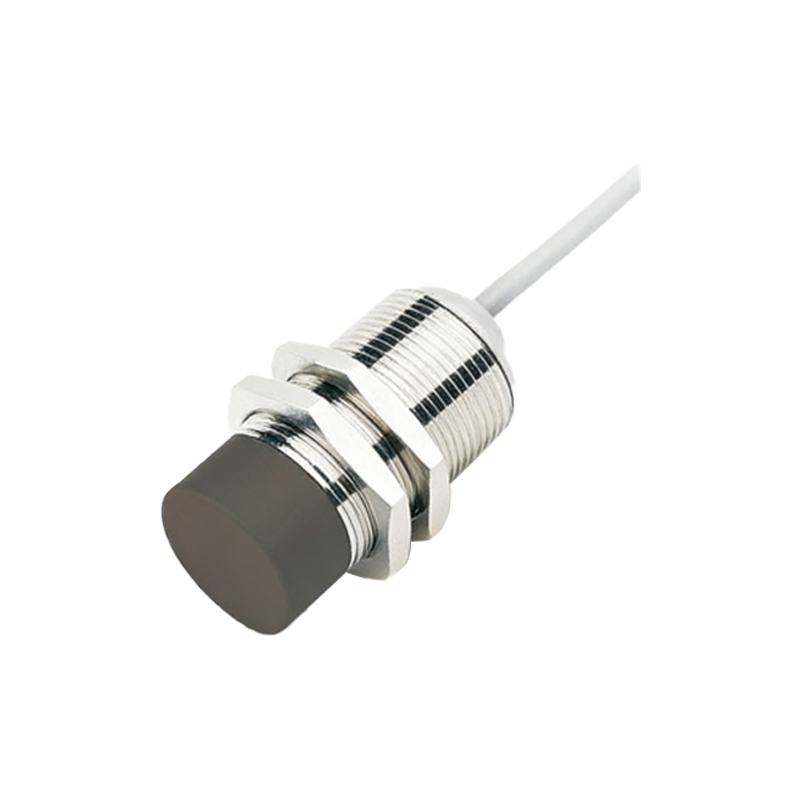
The heart of any IR proximity sensor is its pair of IR LED (Light Emitting Diode) and a photodiode or phototransistor receiver. Early iterations were basic, often plagued by interference from ambient light and limited in range and accuracy. Today's sensors, however, incorporate modulated IR signals—pulsing the emitted light at a specific frequency—which the receiver is tuned to detect. This modulation dramatically improves immunity to ambient light noise, a common challenge in industrial environments. Furthermore, advancements in integrated circuit design have led to sensors that include onboard signal conditioning, analog-to-digital conversion, and even I2C or SPI digital interfaces. This evolution from a simple discrete component to a "smart" sensor module represents a significant leap. It allows engineers to delegate complex filtering and calibration tasks to the sensor itself, simplifying system design and improving overall reliability.
Key Advantages in Practical Applications
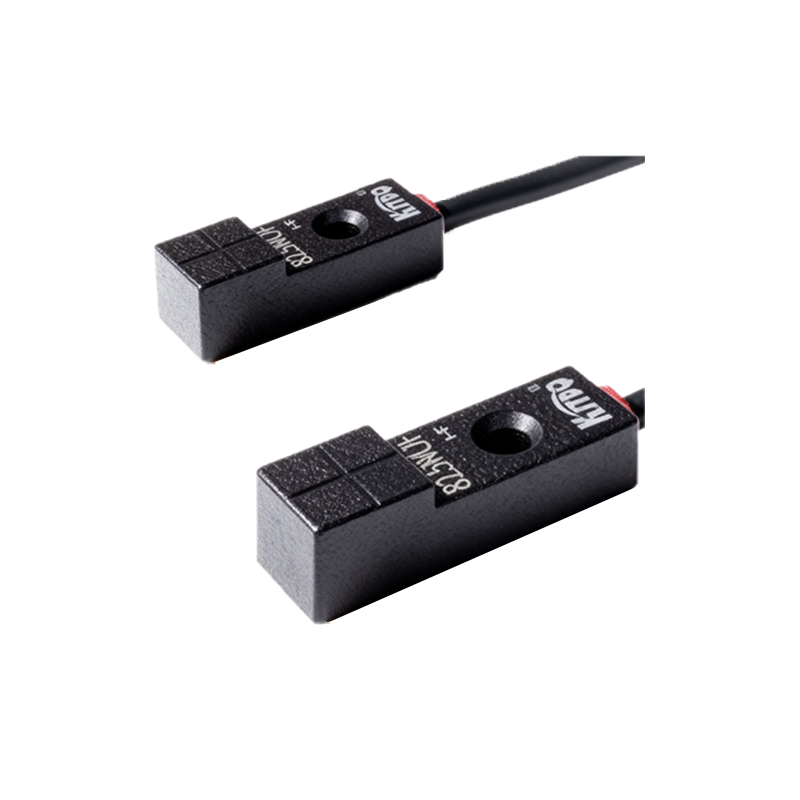
The practical benefits of IR proximity sensors are numerous. First is their non-contact nature, which eliminates mechanical wear and tear, granting them a virtually infinite operational lifespan concerning physical contact. This is crucial in applications like material handling or counting, where physical touch could damage the product or the sensor. Second, their ability to detect a wide variety of materials—unlike capacitive sensors that primarily sense conductive materials—makes them incredibly versatile. They can detect plastics, wood, glass, and liquids, provided the object's surface reflects infrared light to some degree. Their response time is exceptionally fast, often in the microsecond range, making them ideal for high-speed production lines. Additionally, their compact size and relatively low power consumption enable integration into portable and battery-operated devices, a growing field in the era of IoT.
Navigating Common Challenges and Limitations
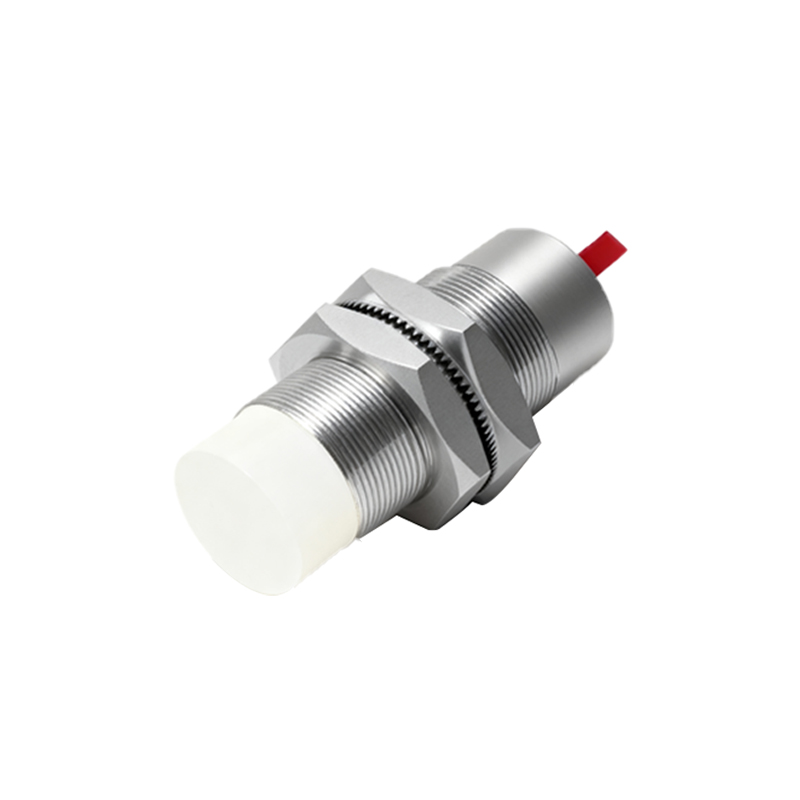
Despite their advantages, working with IR proximity sensors is not without its challenges, which every seasoned engineer learns to navigate. The most prominent issue is their sensitivity to environmental factors. Dust, steam, and dirt can coat the lens, attenuating the signal. Certain materials, like black rubber or fabrics with low IR reflectivity, can be difficult to detect consistently. Ambient IR sources, such as sunlight or heating elements, can cause false triggers if the sensor's modulation and filtering are not robust enough. Furthermore, the sensing range is inherently limited, typically from a few centimeters up to a meter for standard models, making them unsuitable for long-distance applications. Successful implementation, therefore, hinges on careful selection—considering factors like beam pattern (diffuse or focused), required range, and environmental sealing—and thoughtful mechanical design to protect the sensor's optical window.
The Future Trajectory and Integration
Looking ahead, the future of IR proximity sensing is intertwined with broader trends in smart sensing and data fusion. We are already seeing sensors that combine IR proximity with ambient light sensing (ALS) in a single package, optimizing display backlighting in consumer electronics. The next frontier involves tighter integration with time-of-flight (ToF) sensors and even simple vision systems, providing not just binary presence detection but detailed 3D mapping of an environment. As machine learning algorithms become more accessible, the raw data from IR sensors can be used for predictive maintenance—for instance, detecting gradual lens contamination before it causes a system fault. In robotics, especially for autonomous mobile robots (AMRs), arrays of IR sensors will continue to be a low-cost, reliable solution for obstacle avoidance and cliff detection, complementing more expensive LiDAR systems.
Concluding Engineering Insights
In conclusion, the infrared proximity sensor stands as a testament to the power of a well-executed simple idea. For engineers, they represent a reliable and versatile tool in the toolbox. The key to mastery lies not just in understanding the datasheet parameters like supply voltage and sensing distance, but in developing an intuition for their behavior in real-world, often messy, applications. It involves knowing when to