Introduction to Photoelectric Sensing Technology
Photoelectric sensors are fundamental components in modern industrial automation, providing non-contact detection of objects based on the modulation of a light beam. The BAOMENG CH8501 represents a significant advancement in this field, engineered to deliver reliable performance in demanding environments. These sensors operate by emitting a beam of light, typically from an LED, and detecting its presence, absence, or intensity change via a receiver. The CH8501 model is designed to overcome common industrial challenges such as ambient light interference, varying surface properties of target objects, and harsh operating conditions. Its robust construction and advanced optical design make it a versatile solution for a wide array of applications, from packaging and material handling to assembly line verification and safety systems. The precision and consistency offered by this sensor are critical for maintaining high throughput and quality control in automated processes.
Key Features and Technical Specifications of the CH8501
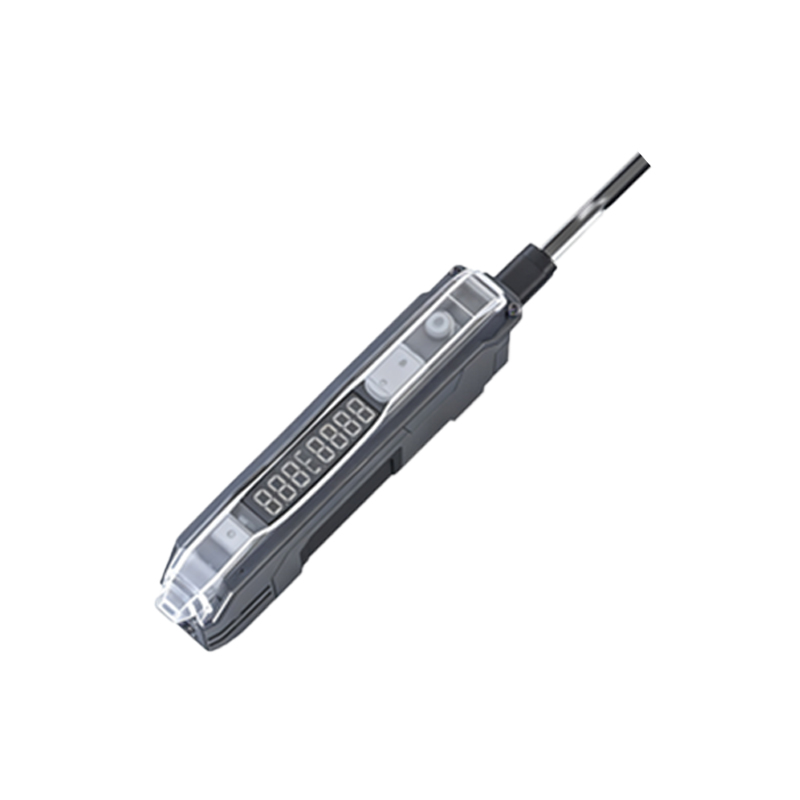
The BAOMENG CH8501 is distinguished by a suite of technical features that ensure superior performance. It typically offers multiple sensing modes, including through-beam, retro-reflective, and diffuse reflective, providing flexibility for different installation and detection needs. The sensor boasts a long sensing range, capable of detecting objects from a considerable distance with high accuracy. It is equipped with a high-intensity, visible or infrared LED light source that ensures a stable beam even in environments with dust or mild vapors. Key specifications often include a fast response time, measured in milliseconds, which is essential for high-speed production lines. The housing is usually constructed from durable materials like nickel-plated brass or stainless steel, with an IP67 or higher ingress protection rating, making it resistant to water, oil, and physical impacts. Additionally, it features an LED status indicator for easy setup and diagnostics.
Operational Principles and Sensing Modes
Understanding the operational modes of the CH8501 is crucial for optimal application. In through-beam mode, the emitter and receiver are separate units. An object is detected when it interrupts the light beam traveling from the emitter to the receiver. This mode offers the longest range and highest reliability. The retro-reflective mode uses a single housing containing both emitter and receiver, along with a reflector. Detection occurs when the beam reflected from the reflector is blocked. The diffuse reflective mode, or proximity mode, also uses a single unit. Here, the sensor detects light reflected directly off the target object itself. The CH8501's advanced circuitry is designed to handle background suppression in diffuse mode, ignoring distant objects or background surfaces, which is a critical feature for precise positioning tasks. The choice of mode depends on factors like required sensing distance, object characteristics, and installation constraints.
Application Scenarios in Industrial Automation
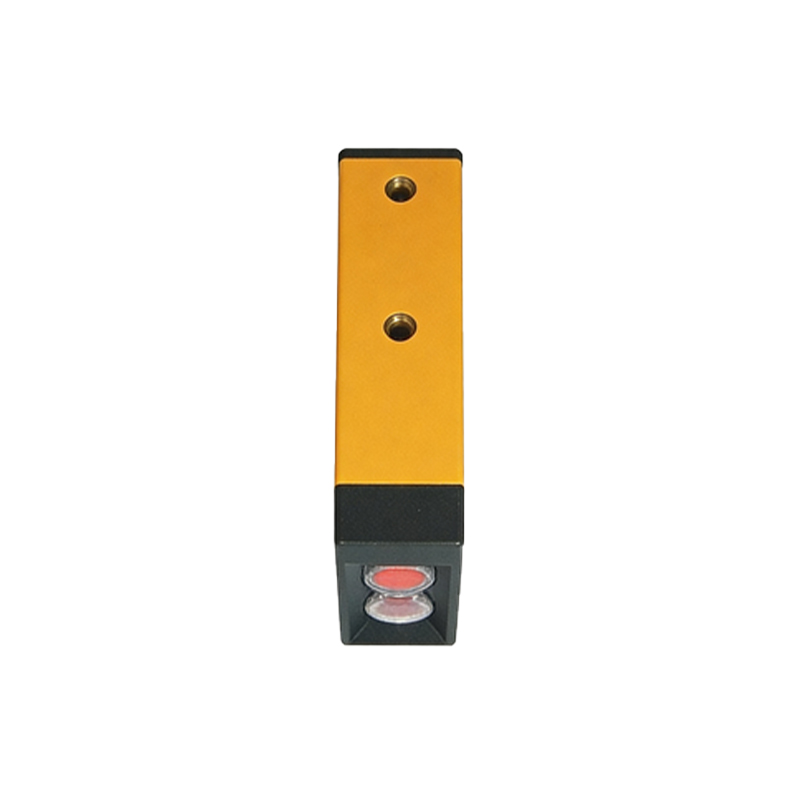
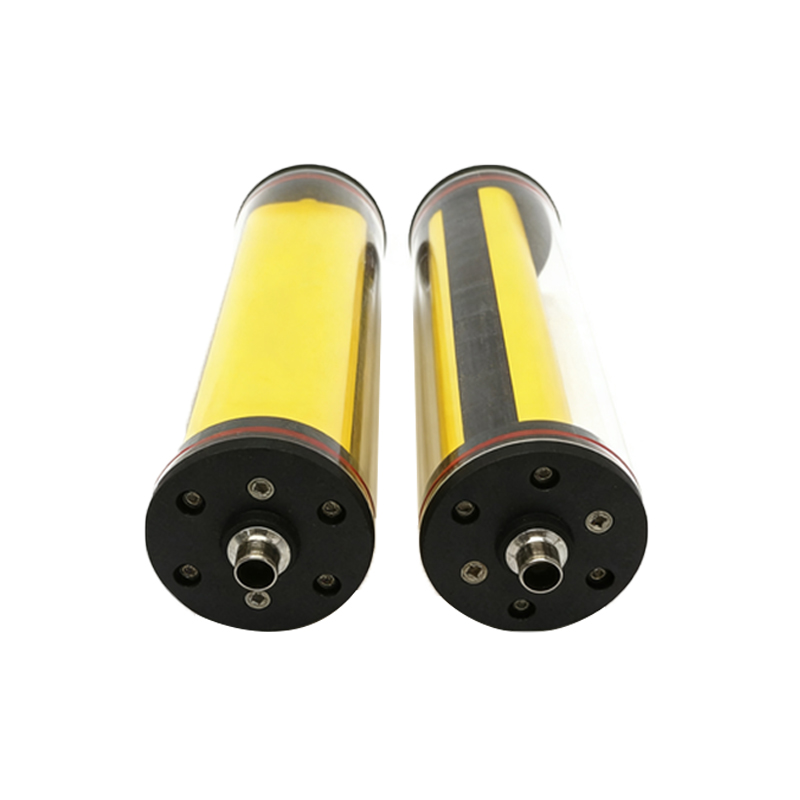
The BAOMENG CH8501 finds extensive use across diverse industrial sectors. In packaging machinery, it is employed for detecting the presence of boxes, bottles, or labels, ensuring proper filling and sealing operations. On conveyor systems, it serves as a vital component for counting products, detecting jams, or positioning items for robotic pick-and-place operations. Within the automotive industry, these sensors verify the presence of components during assembly, such as checking if a bolt has been installed or a panel is correctly aligned. They are also integral to safety systems, acting as light curtains or presence detectors to protect personnel in hazardous areas. Furthermore, in the wood and metal processing industries, the CH8501 can detect edges, measure widths, or control the feed of materials. Its environmental robustness makes it suitable for outdoor applications or in washdown areas of food and beverage plants.
Installation, Alignment, and Calibration Best Practices
Proper installation is paramount for the reliable operation of the CH8501 photoelectric sensor. The sensor must be securely mounted to prevent vibration-induced misalignment. For through-beam and retro-reflective types, precise alignment between the emitter, receiver, and reflector is essential; many models feature built-in alignment aids like visible beam spots or signal strength indicators. The sensing head should be positioned to avoid optical interference from reflective surfaces nearby. Environmental factors must be considered: installing protective shrouds can mitigate the effects of dust accumulation or direct sunlight. Calibration, often involving sensitivity adjustment via a potentiometer or teach-in function, allows the sensor to be fine-tuned for specific target colors, materials, or background conditions. Regular maintenance, including lens cleaning and functional checks, ensures long-term stability and prevents false triggers or missed detections.
Advantages Over Alternative Sensing Technologies
Compared to other proximity sensing technologies like inductive or capacitive sensors, the BAOMENG CH8501 photoelectric sensor offers distinct advantages. Its primary benefit is the ability to detect virtually any material—metal, plastic, wood, glass, or liquid—as long as it affects the light beam. This universality provides great application flexibility. Photoelectric sensors generally offer longer sensing ranges than their inductive counterparts. They can also detect smaller objects and are capable of color marking recognition or transparency detection with the right model. While inductive sensors are superior for detecting metals only in dirty environments, and capacitive sensors for non-metals but are sensitive to environmental changes, the CH8501 provides a balanced, reliable solution for a broader spectrum of detection tasks, especially where non-contact and versatility are required.
Troubleshooting Common Issues and Ensuring Reliability
Even with a robust design like the CH8501, users may encounter operational issues. Common problems include inconsistent detection, failure to detect, or constant output activation. Inconsistent detection can often be traced to misalignment, a dirty lens, or a fluctuating power supply. Failure to detect may indicate that the object is outside the sensor's range, is too transparent, or that the sensitivity is set too low. Constant activation might be caused by background reflection, incorrect mode selection, or a faulty output circuit. Systematic troubleshooting involves verifying power connections, cleaning optical components, re-checking alignment, and re-calibrating sensitivity. Ensuring a stable voltage supply and protecting the sensor from electrical noise are also critical for reliable operation. Consulting the manufacturer's datasheet for specific error codes or indicator light patterns is always recommended for efficient diagnosis.