Introduction to X Proximity Sensors
X Proximity Sensors represent a cornerstone of modern industrial automation, offering non-contact detection of metallic and non-metallic objects. These sensors operate on various principles, including inductive, capacitive, and magnetic technologies, to provide reliable performance in demanding environments. Engineered for precision, X sensors deliver consistent detection ranges, high switching frequencies, and robust housing designs that withstand vibration, temperature fluctuations, and exposure to contaminants. Their versatility makes them indispensable in applications ranging from assembly line positioning and robotic guidance to liquid level sensing and safety interlocking. This catalog provides a detailed overview of the X series, highlighting key specifications, selection criteria, and integration guidelines to optimize system performance.
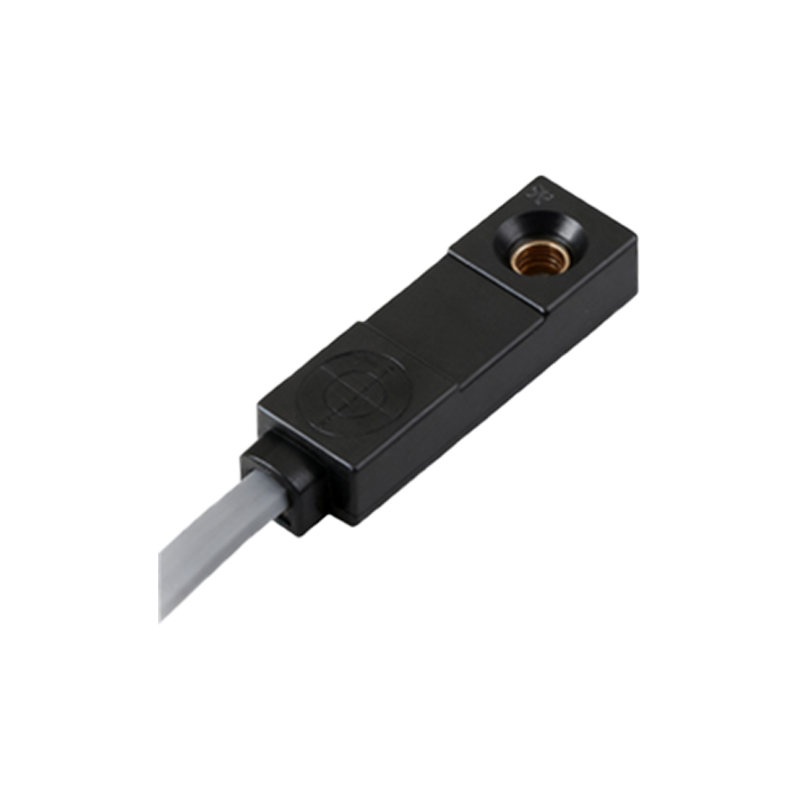
Core Product Series and Specifications
The X Proximity Sensor portfolio is segmented into distinct series to meet diverse operational needs. The X-Inductive Series specializes in detecting ferrous and non-ferrous metals with sensing distances up to 40mm, featuring stainless steel housings and embedded short-circuit protection. The X-Capacitive Series excels in identifying non-metallic materials such as plastics, glass, and liquids, with adjustable sensitivity controls for fine-tuning. For high-speed applications, the X-Magnetic Series utilizes reed technology to detect permanent magnets, ideal for pneumatic cylinder position feedback. Common specifications across series include operating voltages from 10-30V DC, output types (PNP/NPN, NO/NC), protection ratings up to IP67, and temperature ranges from -25°C to 70°C. Each model is certified to international standards like IEC 60947-5-2, ensuring global compatibility and safety.
Key Features and Technological Advantages
Advanced features distinguish X Proximity Sensors from conventional alternatives. They incorporate state-of-the-art ASIC (Application-Specific Integrated Circuit) technology, which enhances signal stability and immunity to electromagnetic interference. Many models offer IO-Link communication capability, enabling real-time diagnostics, parameter adjustment, and integration into Industry 4.0 networks. The sensors' compact, cylindrical or rectangular form factors facilitate installation in space-constrained areas, while LED status indicators simplify troubleshooting. Additionally, anti-corrosion coatings and hermetically sealed designs prolong service life in harsh conditions like washdown environments or outdoor settings. These technological advantages translate to reduced downtime, lower maintenance costs, and improved system accuracy for end-users.
Selection Guidelines for Optimal Performance
Choosing the right X Proximity Sensor requires careful consideration of application parameters. First, identify the target material—inductive sensors for metals, capacitive for non-metals, and magnetic for magnet-based systems. Next, determine the required sensing distance, accounting for installation tolerances and potential target size variations. Environmental factors such as ambient temperature, humidity, and exposure to chemicals or dust dictate the necessary ingress protection rating. Electrical compatibility is crucial; match the sensor's output configuration (e.g., PNP sourcing) with the control system's input module. For dynamic applications, verify the sensor's response time and switching frequency to avoid missed detections. Consulting the detailed datasheets and using online selection tools provided by X ensures a perfect match for specific operational demands.
Installation and Maintenance Best Practices
Proper installation maximizes sensor reliability and longevity. Mount sensors securely using recommended brackets, ensuring alignment with the target object within the specified sensing axis. Maintain adequate clearance from surrounding metal structures to prevent false triggering, typically 10-20% of the sensing range. For wiring, follow color-coded cables (brown for +V, blue for 0V, black for output) and implement shielded cables in high-noise environments. Regular maintenance involves periodic cleaning of sensing faces to remove debris, checking for physical damage, and verifying electrical connections. Utilize diagnostic features like teach-in functions or IO-Link interfaces to recalibrate settings without hardware replacement. Adhering to these practices minimizes unexpected failures and extends operational lifespan.
Industry Applications and Use Cases
X Proximity Sensors serve critical roles across multiple industries. In automotive manufacturing, they monitor robotic weld gun positions and detect component presence in assembly jigs. Packaging lines employ capacitive sensors to verify fill levels in bottles or detect transparent films. The material handling sector relies on inductive sensors for conveyor belt object counting and pallet positioning. In food and beverage processing, stainless steel models with high IP ratings ensure hygiene compliance during cleaning cycles. Renewable energy systems, such as wind turbines, use magnetic sensors for blade pitch control. These diverse applications demonstrate the sensors' adaptability, contributing to enhanced efficiency, safety, and automation scalability in modern industrial ecosystems.
Conclusion and Support Resources
The X Proximity Sensor catalog offers a comprehensive suite of solutions tailored to industrial automation challenges