Introduction to Photoelectric Sensor Technology
Imported photoelectric sensors represent the pinnacle of sensing technology in modern industrial automation. These devices operate on the principle of converting light signals into electrical signals to detect the presence, absence, or distance of objects without physical contact. The core components typically include an emitter (light source), a receiver, and a signal processing circuit. Advanced models utilize modulated LED, laser, or even infrared light sources to ensure high reliability and immunity to ambient light interference. The precision and robustness of imported units, often originating from technological leaders in Europe, North America, and Japan, make them indispensable for applications demanding high repeatability, long sensing ranges, and operation in challenging environments. Their design philosophies prioritize not only performance but also ease of integration and long-term stability, reducing total cost of ownership despite a higher initial investment.
Key Service Offerings for Imported Sensors
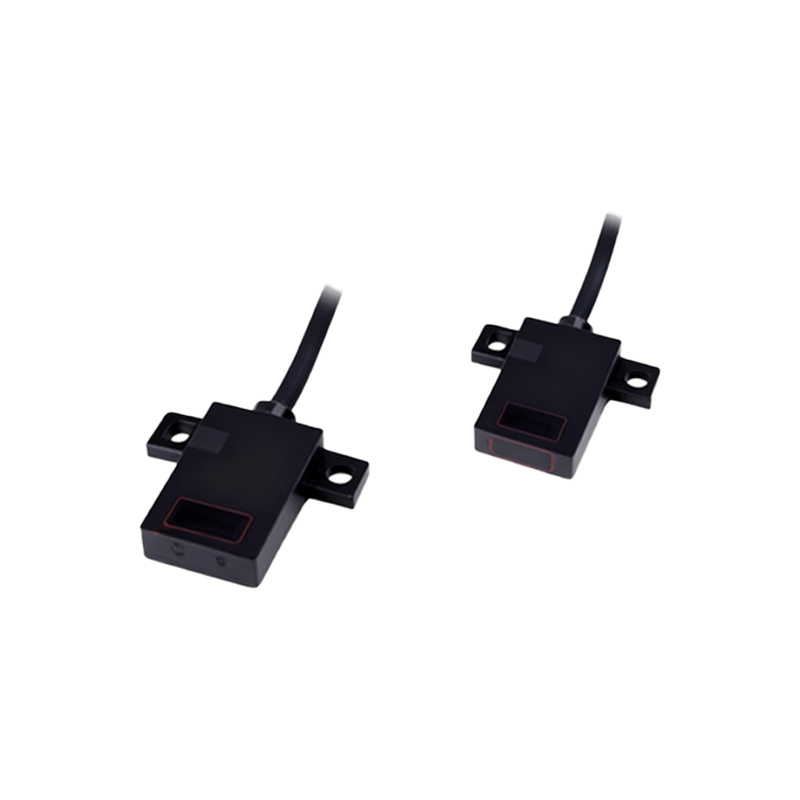
A full-spectrum service package for imported photoelectric sensors extends far beyond the point of sale. It begins with comprehensive technical consultation and application analysis. Experienced engineers work with clients to select the optimal sensor type—be it through-beam, retro-reflective, diffuse, or background suppression—based on specific material, environmental, and precision requirements. This is followed by detailed system integration support, including wiring diagrams, mounting solutions, and compatibility checks with existing PLCs and control systems. Post-installation, calibration and fine-tuning services are crucial to ensure the sensor operates at its specified performance envelope. Many service providers also offer custom modifications, such as specialized housings, lenses, or cable lengths, to fit unique application niches that standard catalog items cannot address.
Installation, Calibration, and Commissioning
Proper installation is critical for realizing the advertised performance of high-end photoelectric sensors. Service protocols mandate a systematic approach: selecting the correct mounting hardware, ensuring precise alignment of emitter and receiver for through-beam types, and verifying a stable power supply. Calibration involves setting the sensitivity threshold to reliably detect the target while ignoring background objects or environmental noise like dust or steam. Commissioning services include comprehensive functional testing under real or simulated operating conditions. Technicians verify response time, switching frequency, and output signal integrity. For complex setups involving multiple sensors or networks, services often include programming logic and creating diagnostic routines for the entire sensing array, ensuring seamless operation from day one.
Preventive Maintenance and Diagnostic Support
To maximize uptime and sensor lifespan, a proactive maintenance schedule is a core service. This includes regular cleaning of optical lenses to prevent false triggers from dirt accumulation, inspection of mechanical mounts for vibration-induced misalignment, and electrical checks for signal drift. Service providers offer scheduled on-site visits or remote monitoring solutions where feasible. Diagnostic support is another pillar, featuring advanced troubleshooting tools and software. When a fault occurs, technicians can often perform remote diagnostics via connected interfaces, analyzing error logs and performance data to pinpoint issues—whether it's a degraded light source, contaminated optics, or an electrical fault—significantly reducing mean time to repair (MTTR).
Technical Training and Knowledge Transfer
Empowering client personnel is a vital aspect of premium service. Suppliers of imported photoelectric sensors typically offer structured training programs. These sessions cover fundamental operating principles, advanced configuration techniques, best practices for installation, and effective troubleshooting methodologies. Training is often tiered, catering to maintenance technicians, system integrators, and plant engineers. Hands-on workshops with actual hardware are standard, allowing participants to gain practical experience. Furthermore, comprehensive documentation—including detailed datasheets, application notes, 3D models, and CAD drawings—is provided. This knowledge transfer ensures that clients can independently handle routine operations and minor adjustments, fostering self-reliance and optimizing system performance long-term.
Supply Chain and Logistics Management
Given the imported nature of these components, reliable supply chain management is a critical service. Authorized distributors and service partners maintain strategic stock levels of popular models and critical spare parts to minimize lead times. They manage the complexities of international logistics, customs clearance, and certification compliance (e.g., CE, UL, ATEX). For mission-critical applications, vendors offer guaranteed stock-holding agreements or consignment inventory programs. Furthermore, they provide lifecycle management services, offering advance notification of product discontinuations (EOL) and facilitating seamless migration to newer equivalent models, thereby protecting clients' investments and preventing costly production stoppages.
Future Trends and Upgrade Paths
The landscape of photoelectric sensing is continuously evolving. Service for imported sensors now increasingly includes guidance on future-proofing automation systems. Key trends involve the integration of Industrial Internet of Things (IIoT) capabilities, where sensors feature IO-Link communication for detailed parameterization and condition monitoring data. Services help clients plan upgrades to smarter sensors that offer predictive maintenance analytics, digital twins integration, and enhanced connectivity to factory networks. Support extends to firmware updates, retrofitting kits for older installations, and feasibility studies for adopting new technologies like laser-based distance measurement or ultra-high-speed sensors for robotics, ensuring clients' operations remain at the competitive forefront.